Breaking: Max Verstappen Honest Opinion on 2026 Rules Sparks Debate Across Formula 1
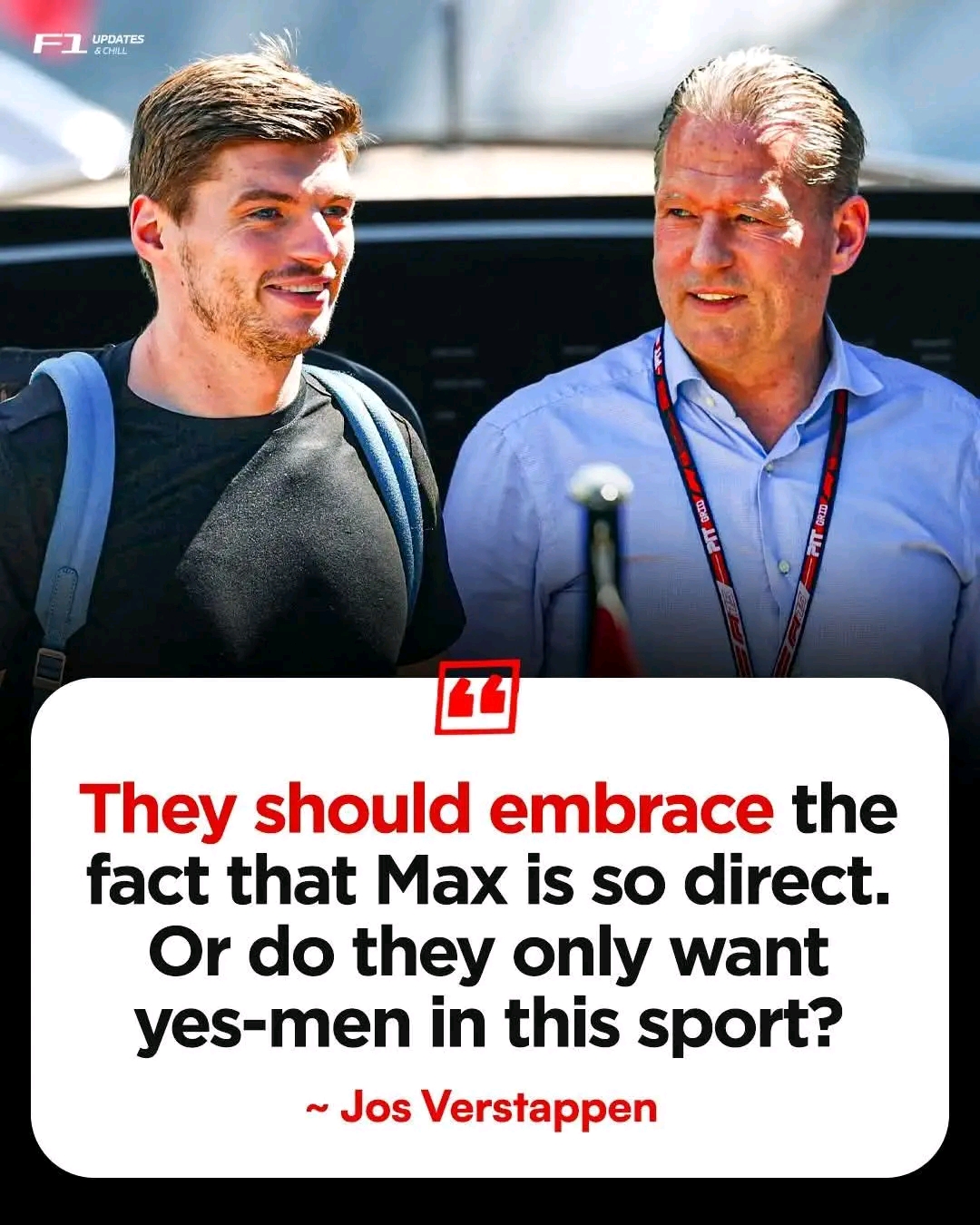
In the ever-intense world of Formula 1, few voices carry as much weight as that of Max Verstappen. Known for his fierce competitiveness and unfiltered honesty, the reigning champion has once again found himself at the center of attention—this time not for his performance on track, but for his candid stance on the upcoming 2026 regulations. According to his father, Jos Verstappen, Max has never been one to hold back his opinions, and this situation is no different. His approach, as described, is simple—say what you believe, without dressing it up to please others.
The introduction of new regulations is always a turning point in Formula 1, often reshaping the competitive landscape and forcing teams and drivers to adapt quickly. While some choose to remain diplomatic in their public comments, Max Verstappen has built a reputation for speaking openly about what he thinks works and what doesn’t. That trait, highlighted by his father, has become a defining aspect of his personality. He is not someone who aligns his views for the sake of agreement or public approval; instead, he offers a perspective that reflects his genuine understanding of the sport, even if it sparks controversy.
This level of honesty has naturally fueled discussions among fans and analysts. On one hand, many appreciate his straightforward approach, seeing it as a refreshing contrast to the often polished and cautious statements typical in Formula 1. On the other hand, his remarks can sometimes ignite debate, particularly when they challenge widely held opinions or raise concerns about the direction of the sport. As the 2026 regulations draw closer, those conversations are only intensifying, with every comment being closely examined for insight into how one of the sport’s top drivers views the future.
What makes this situation particularly intriguing is the broader implication of Verstappen’s stance. When a driver of his caliber speaks out, it doesn’t just reflect personal opinion—it can influence how fans perceive the changes and even how teams approach them internally. His willingness to express concerns or skepticism underscores the importance of open dialogue in a sport that is constantly evolving. At the same time, it highlights the pressure drivers face in balancing honesty with the expectations that come from representing teams, sponsors, and the sport itself.
As Formula 1 prepares for a new era, the spotlight will remain firmly on voices like Max Verstappen’s. His refusal to conform to a “yes-man” mentality ensures that his perspective will continue to stand out, whether it aligns with the majority or not. The real question now is how those opinions will translate once the regulations come into effect. Will his concerns prove to be valid, or will the changes deliver a competitive and exciting new chapter for the sport? Either way, one thing is certain—when Max Verstappen speaks, the entire Formula 1 world listens.
About the Author