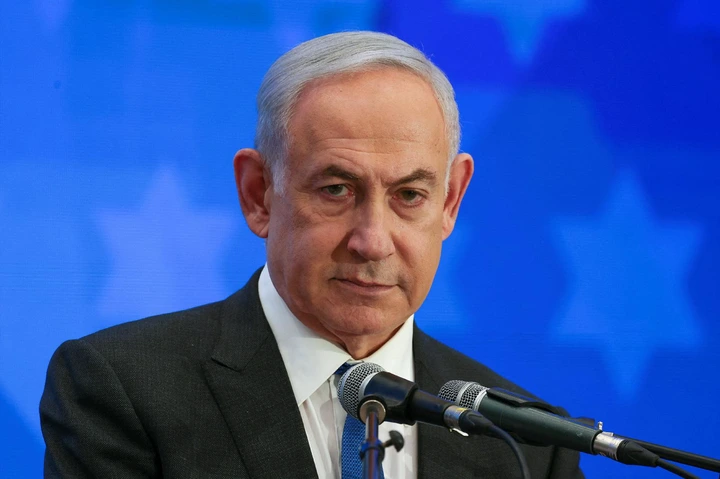
A major escalation in Middle Eastern tensions has emerged following explosive remarks by Benjamin Netanyahu, who claimed that Israel has carried out a series of high-impact operations targeting Iran’s nuclear program.
In a statement that is already reverberating across global political circles, Netanyahu declared that Israeli forces had “eliminated 12 of their top nuclear scientists” and conducted coordinated strikes on key nuclear facilities. The remarks signal one of the most direct acknowledgments of such operations to date.
 According to Netanyahu, the actions were part of a broader strategy aimed at preventing Iran from advancing its nuclear capabilities. He framed the operations as necessary measures to protect Israel’s national security, insisting that his government would not allow what it perceives as an existential threat to develop unchecked.
While Israel has long been suspected of carrying out covert actions against Iranian targets, public confirmation at this level marks a significant shift. Analysts say the statement could dramatically increase tensions not only between Israel and Iran, but across the wider region.
Iranian officials have yet to fully respond to the specific claims, but previous incidents of a similar nature have been met with strong condemnation and promises of retaliation. Tehran has consistently denied pursuing nuclear weapons, maintaining that its program is for peaceful purposes.
International observers are expressing concern about the potential for rapid escalation. Any confirmed targeting of scientists and nuclear infrastructure could provoke retaliatory actions, raising fears of a broader conflict involving multiple actors in the region.
The development also places renewed focus on global diplomatic efforts aimed at controlling nuclear proliferation. Talks and agreements surrounding Iran’s nuclear activities have faced repeated setbacks, and this latest episode may further complicate any attempts at negotiation.
Security experts note that targeting scientific personnel represents a controversial tactic, often criticized under international law and ethical standards. However, proponents argue that such actions can delay or disrupt sensitive programs without resorting to full-scale war.
The strikes on nuclear facilities, if verified, could have immediate operational consequences for Iran’s program. Damage to infrastructure may set back technical progress, though experts caution that such programs are often resilient and capable of recovery over time.
Beyond the immediate impact, Netanyahu’s statement is likely to influence domestic politics within Israel, where security concerns remain a dominant issue. It may also shape international perceptions, particularly among allies and critics assessing the risks of further escalation.
As reactions continue to unfold, the global community is watching closely for signs of retaliation or de-escalation. The situation remains highly volatile, with the potential to shift the balance of power and security across the Middle E
ast in the days ahead.
About the Author