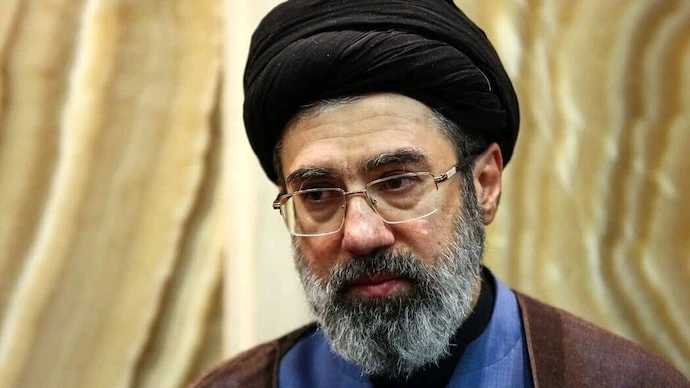
Amid mounting regional tensions and high-stakes diplomatic maneuvering, reports have emerged suggesting that Mojtaba Khamenei is playing a central role in guiding Iran’s strategic negotiations—despite allegedly recovering from an undisclosed injury.
 According to insiders familiar with the matter, the influential cleric, who is also the son of Iran’s Supreme Leader Ali Khamenei, has remained actively engaged in shaping the country’s diplomatic posture. While he has not held any formal government position, Mojtaba has long been considered a powerful behind-the-scenes figure within Iran’s political and security apparatus.
Sources claim that Mojtaba’s involvement has intensified in recent weeks as Iran navigates complex discussions related to regional security, sanctions, and its broader relationship with global powers, including the United States. Despite reports of his injury—details of which remain unclear—he is said to be directing key elements of the negotiation strategy through close allies and trusted intermediaries.
Analysts note that such a development underscores the opaque nature of decision-making within the Islamic Republic. “Power in Iran does not always follow formal titles,” said one regional expert. “Figures like Mojtaba Khamenei can exert significant influence without ever stepping into the public eye.”
The reported circumstances have also fueled speculation about succession dynamics within Iran’s leadership. As Ali Khamenei continues to lead the country into a period of heightened geopolitical uncertainty, questions surrounding who may shape the next era of leadership have become increasingly prominent.
Iranian officials have neither confirmed nor denied the reports of Mojtaba’s injury or his direct involvement in the ongoing talks. However, the narrative of a shadow strategist operating from behind the scenes aligns with long-standing perceptions of his role in the country’s inner circle.
Meanwhile, diplomatic efforts continue under intense global scrutiny. With tensions fluctuating across the Middle East and negotiations delicately balanced, the possibility that a key figure is orchestrating strategy from the shadows—injured yet influential—adds another layer of intrigue to an already complex geopolitical landscape.
As the situation develops, observers will be watching closely to see whether these reports signal a temporary arrangement or a deeper shift in how power is exercised within Iran’s leadership structure.
About the Author