Indiana Fever Draft Decision Explained as Caitlin Clark Debate Sparks New Questions About Team Direction
At first glance, it looked like just another heated opinion in the ever-loud world of basketball debates. A comment, a reaction, a moment that social media quickly grabbed and amplified. But sometimes, these moments reveal something deeper—something that goes beyond rivalry, beyond stats, and even beyond individual players. They expose cracks, philosophies, and decisions that teams quietly make long before the spotlight turns their way.
For fans watching from the outside, the conversation surrounding Caitlin Clark has rarely been quiet. Every performance, every shot, every decision on the court seems to carry extra weight. And when opinions begin to clash—especially from fellow players—it doesn’t just stay as talk. It transforms into a wider discussion about value, skill sets, and what truly defines impact in today’s game.
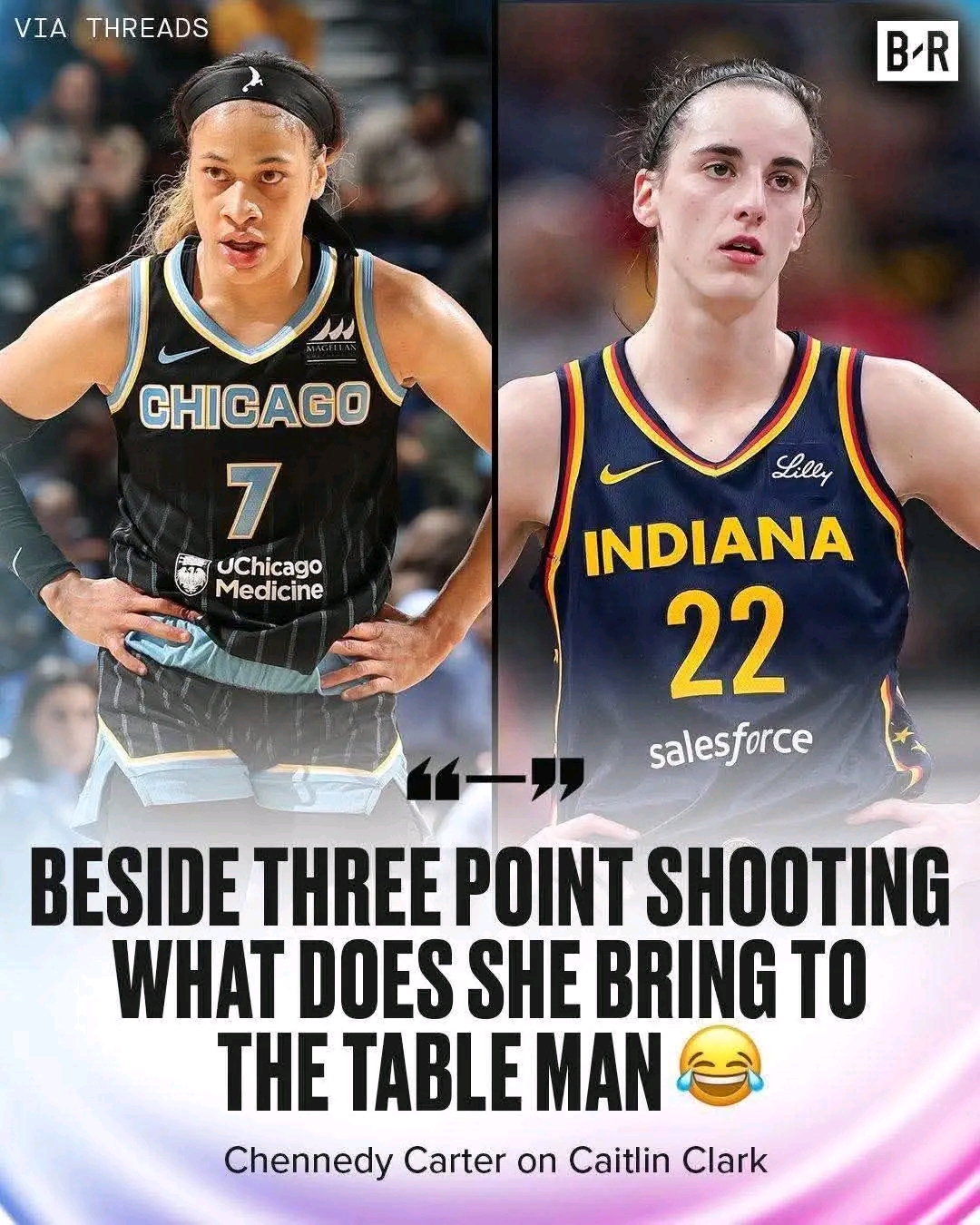
That’s exactly what happened when Chennedy Carter publicly questioned what Clark brings beyond her well-known three-point shooting ability. The comment didn’t just stir reactions—it ignited a deeper conversation. Fans, analysts, and even insiders began to look beyond the surface, asking whether this critique reflected something more strategic happening behind the scenes.
At the center of this growing discussion sits the Indiana Fever—a franchise quietly building toward something bigger. Their decisions in recent drafts and roster construction have not been random. In fact, they may have been preparing for exactly this kind of narrative, where perception and reality don’t always align.
Because here’s where the story truly shifts.
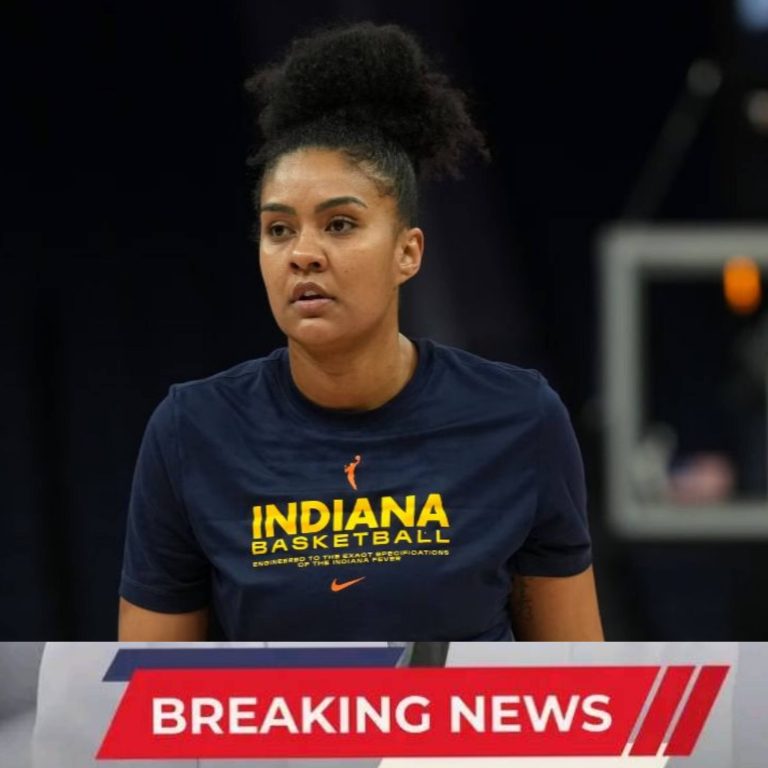
The Fever’s decision to draft a point guard in the first round suddenly feels less like a routine move and more like a calculated response. It’s not about replacing Clark or doubting her—it’s about balance. It’s about recognizing that modern basketball demands versatility, depth, and multiple layers of playmaking. While Clark’s shooting stretches defenses and creates space, the team appears to be building a system that doesn’t rely on just one dimension.
And that’s the part many overlooked.
Clark’s influence on the court goes far beyond scoring. Her vision, passing ability, and ability to control tempo are key elements that don’t always show up in viral highlights. But when criticism like Carter’s surfaces, it forces the conversation into a different light—one that unintentionally highlights why the Fever are structuring their roster the way they are.
The added point guard isn’t competition—it’s reinforcement. It allows Clark to operate more freely, to shift between roles, and to maximize her strengths without carrying the entire burden of orchestration. In today’s WNBA, where defensive schemes are evolving rapidly, having multiple decision-makers on the floor is no longer optional—it’s essential.
So what started as a simple question—“what does she bring?”—has turned into something much bigger.
It’s now a window into the Fever’s long-term vision. A vision where criticism becomes fuel, where roster decisions answer doubts before they fully form, and where a young star like Clark is supported, not scrutinized, by the system around her.
In the end, this isn’t just about a comment or a draft pick. It’s about understanding the direction of a team that’s quietly preparing for the future—one move, one decision, and one bold strategy at a time.
About the Author