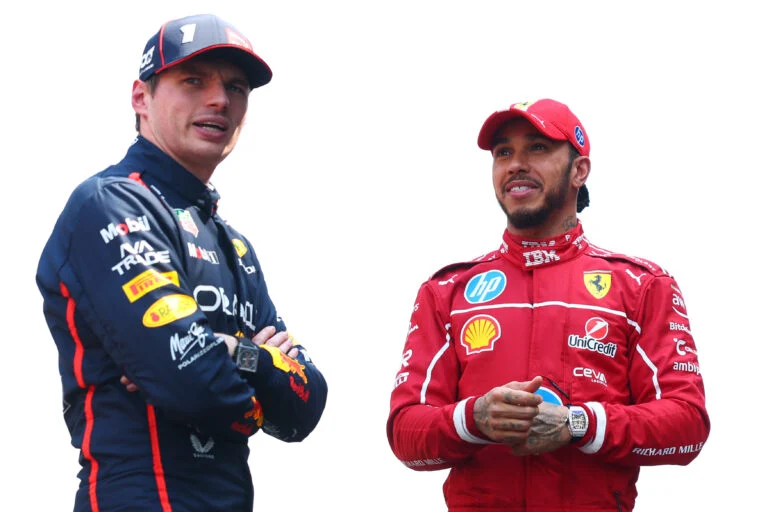
The world of motorsport has once again been stirred by a bold and intriguing statement, this time from the leadership of Formula E. In a recent revelation, the series’ chief openly admitted that if given the opportunity to bring any driver into the all-electric championship, his top choice would be none other than Max Verstappen. The declaration has sparked widespread discussion, particularly because it places Verstappen ahead of another global icon of the sport, Lewis Hamilton.
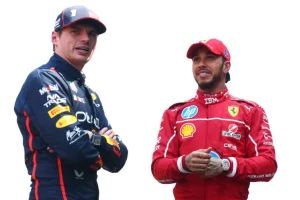 Formula E has been steadily growing in popularity since its inception, carving out a unique identity as the pinnacle of electric racing. With sustainability and cutting-edge technology at its core, the championship has attracted a diverse pool of talent. Yet, the idea of bringing in a superstar from Formula 1 remains an exciting prospect, capable of elevating the sport’s global profile even further. It is within this context that the chief’s preference for Verstappen becomes particularly significant.
According to the Formula E boss, Verstappen embodies a racing style that perfectly aligns with the demands of electric street racing. Known for his aggressive overtakes, razor-sharp instincts, and fearless approach, the Dutch driver thrives in high-pressure environments. Formula E circuits, often set on tight, unforgiving city streets, require precisely this kind of mentality. The chief believes Verstappen’s adaptability would allow him to excel almost immediately in such conditions.
Another factor highlighted was Verstappen’s relentless competitive drive. Since rising to prominence in Formula 1, he has developed a reputation for pushing both himself and his machinery to the absolute limit. This hunger for victory, combined with his ability to extract maximum performance from any situation, makes him an ideal ambassador for a championship that prides itself on innovation and intensity.
While Lewis Hamilton remains one of the most successful and influential figures in motorsport history, the Formula E chief pointed out subtle differences in style and career trajectory. Hamilton’s legacy is deeply intertwined with Formula 1’s traditional structures and long-term team dynamics. In contrast, Verstappen represents a newer generation—one that is perhaps more adaptable to the fast-evolving landscape of modern motorsport, including electric racing.
There is also a marketing dimension to consider. Verstappen’s global appeal, particularly among younger fans, has grown rapidly in recent years. His presence in Formula E could attract a new audience demographic, boosting viewership and engagement. The chief emphasized that while Hamilton’s star power is undeniable, Verstappen’s current momentum and connection with the next generation of fans make him an especially attractive prospect.
Beyond individual talent, the statement reflects Formula E’s broader ambitions. The series is constantly seeking ways to compete with established motorsport giants like Formula 1, not just in terms of technology but also in star appeal. Securing a driver of Verstappen’s caliber would send a powerful message about the championship’s status and future direction.
Of course, the likelihood of Verstappen making such a switch in the near future remains slim. He is currently at the peak of his career in Formula 1, competing at the highest level and chasing further records. However, the mere suggestion underscores the growing credibility of Formula E as a destination for elite drivers, whether in the latter stages of their careers or as part of a broader shift in the sport.
Interestingly, the chief did not dismiss the idea of Hamilton joining the series altogether. Instead, his comments were framed as a matter of preference rather than exclusion. Hamilton’s experience, technical insight, and advocacy for sustainability would undoubtedly align well with Formula E’s mission. Yet, when forced to choose, it was Verstappen’s dynamic and evolving profile that tipped the scales.
In the end, the revelation serves as a fascinating insight into how motorsport leaders are thinking about the future. As the industry continues to evolve, the lines between different racing disciplines may become increasingly blurred. Whether or not Max Verstappen ever takes to the grid in Formula E, the conversation itself highlights the championship’s ambition to attract the very best—and to redefine what top-tier racing looks like in an electric era.
About the Author