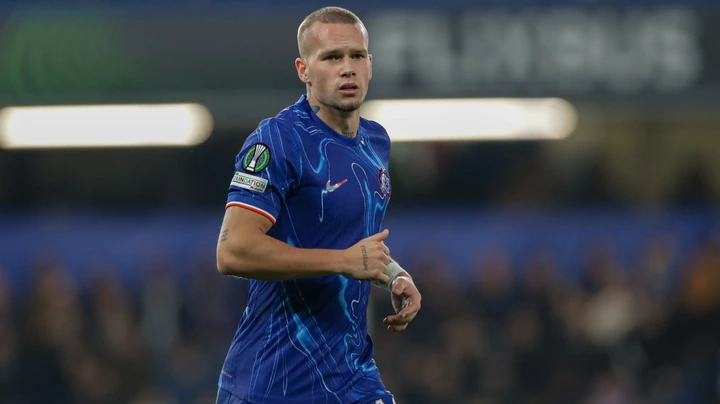
Shockwaves have rippled across English football after Mykhailo Mudryk was reportedly handed what is being described as the biggest ban in the history of the Premier League following a major doping scandal. The news has stunned fans, pundits, and players alike, with the severity of the punishment highlighting the league’s zero-tolerance stance on performance-enhancing substances.
 The controversy began when routine testing allegedly flagged irregularities in samples provided by the Chelsea FC winger. While doping cases are not unheard of in football, the scale and implications of this situation have set it apart from previous incidents. Early reports suggest that investigators found evidence of substances that fall under the league’s strict anti-doping regulations, prompting immediate action.
Mudryk, who joined Chelsea amid high expectations and a hefty transfer fee, had been viewed as one of the brightest young talents in European football. Known for his explosive pace and flair on the wing, the Ukrainian international was seen as a long-term project for the club. However, this development has cast a long shadow over his career and raised serious questions about his future in the sport.
According to sources close to the investigation, the ban imposed is unprecedented in length, surpassing previous records in English football. While official confirmation of the exact duration remains pending, insiders suggest it could sideline the player for several years, effectively halting his momentum during a crucial phase of his development. Such a punishment not only affects Mudryk individually but also sends a strong message across the footballing world.
Chelsea now faces a complex situation as they deal with the fallout from the scandal. The club has yet to release a detailed statement, but it is understood that internal discussions are ongoing regarding potential legal, financial, and sporting implications. Losing a player of Mudryk’s profile under such circumstances represents both a reputational and tactical setback for the London side.
The broader football community has reacted with a mix of shock and disappointment. Many former players and analysts have emphasized the importance of maintaining integrity in the game, stressing that strict enforcement of anti-doping rules is essential to preserve fair competition. Others, however, have called for patience until all details are fully confirmed, urging against rushing to judgment.
This incident also raises important questions about the pressures faced by modern footballers. With increasing physical demands, intense competition, and the constant scrutiny of fans and media, some argue that players may be more vulnerable to making poor decisions. Nevertheless, governing bodies remain firm in their stance that accountability must be upheld regardless of circumstances.
For Mudryk, the road ahead appears uncertain. Legal appeals, potential contract disputes, and the challenge of rebuilding his reputation will all play a role in determining his next steps. Even if the ban is eventually reduced, the damage to his image could take years to repair, especially in an era where public perception spreads rapidly.
Ultimately, this case may go down as a defining moment in Premier League history. Not only does it underline the league’s commitment to strict regulation, but it also serves as a cautionary tale for players at all levels. As the story continues to unfold, it will undoubtedly remain a major talking point in global football, with lasting consequences for everyone involved.
About the Author