The curtain has fallen on the 2025 Formula One season, and with it comes a revealing financial breakdown of how much value each driver delivered relative to their salary. Using salary estimates and total points scored, a cost-per-point ranking highlights which drivers justified their pay and which proved expensive investments for their teams.
Unsurprisingly, championship contenders topped the points table, but their massive salaries pushed them toward the wrong end of the value spectrum. While Max Verstappen and Lando Norris dominated the season competitively, the sheer scale of their earnings meant their cost efficiency ranked poorly compared to lower-paid drivers delivering modest but meaningful results.
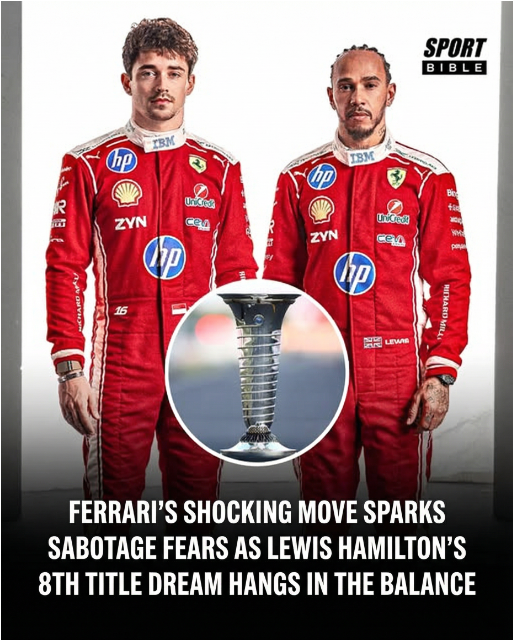
Several midfield names emerged as stronger value propositions. Drivers like Charles Leclerc managed to extract solid results from less competitive machinery, offering Ferrari reasonable returns despite a substantial salary. Meanwhile, younger or lower-paid drivers benefited from modest contracts that dramatically improved their cost-effectiveness when points were added to the equation.
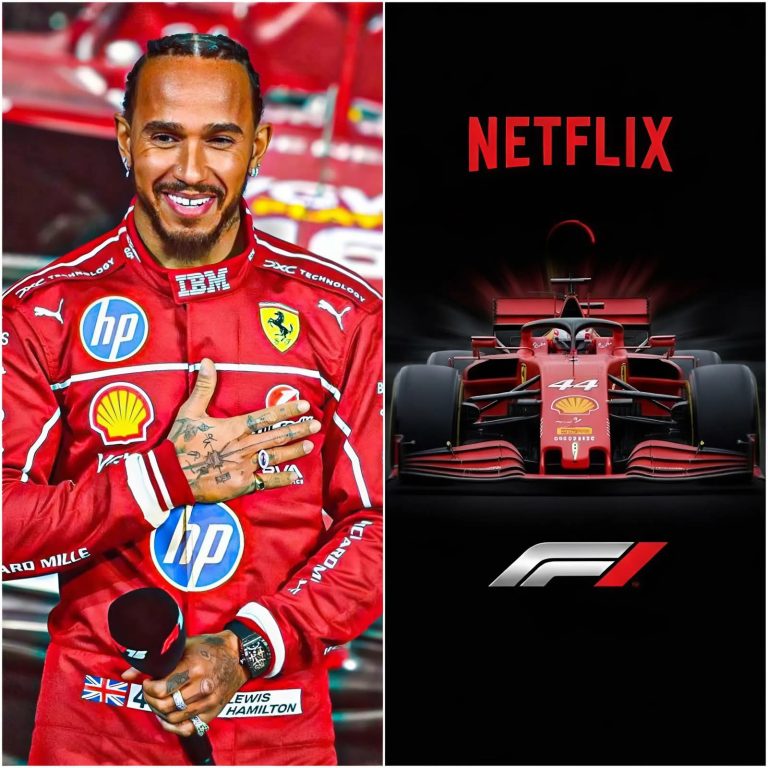
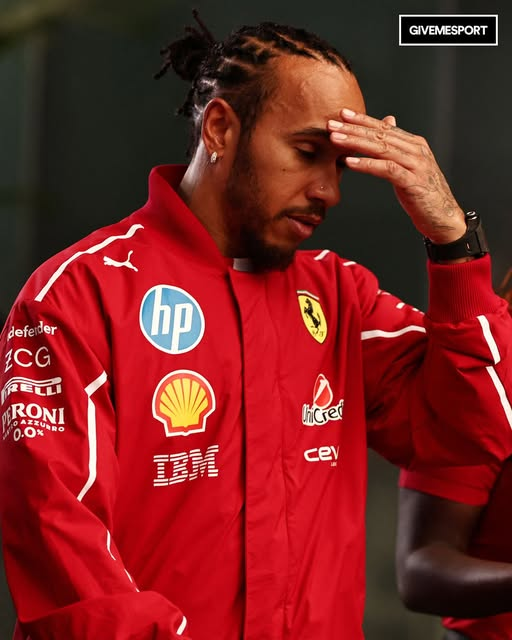
At the other end of the spectrum, high-profile veterans faced uncomfortable scrutiny. Lewis Hamilton and Fernando Alonso both endured underwhelming campaigns relative to expectations, and their elite salaries amplified the perception of diminished value. Despite flashes of brilliance, neither delivered consistent podium-level returns to offset their financial weight.
Topping the least cost-effective list was Pierre Gasly, whose struggles reflected Alpine’s broader collapse. Although he salvaged a handful of points in an uncompetitive car, his salary relative to output placed him firmly at the bottom of the ranking. With sweeping regulation changes coming in 2026, teams will be hoping for a reset—both on track and on the balance sheet.
About the Author