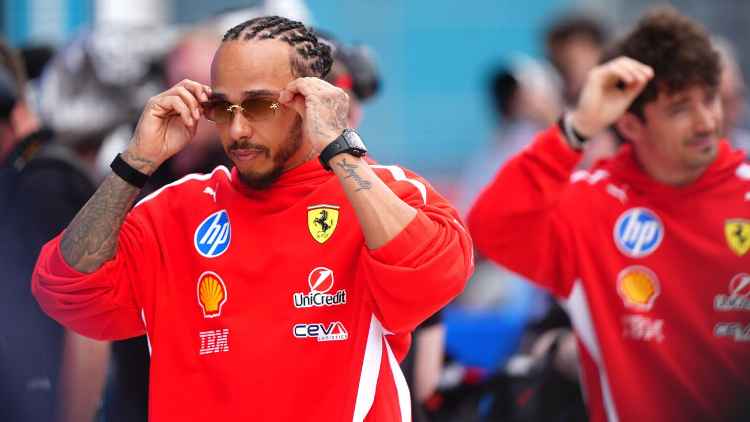
The Monaco Grand Prix has always been about more than just racing. It is Formula 1’s most glamorous event, a weekend where motorsport, celebrity culture, business, and entertainment collide on the streets of Monte Carlo.
That reputation was reinforced once again when global media personality Kim Kardashian arrived in the Monaco paddock to support Lewis Hamilton, instantly becoming one of the most photographed figures of the weekend.
While her appearance generated enormous attention both inside and outside the Formula 1 community, it also served as a reminder that even the world’s biggest celebrities must follow the strict regulations that govern the sport’s paddock environment.
More importantly, Kardashian’s presence underlined how Formula 1 continues to evolve into a worldwide entertainment powerhouse that extends far beyond the racing itself.
WHY KIM KARDASHIAN’S APPEARANCE CREATED SUCH A BUZZ
Few public figures possess the global influence of Kim Kardashian.
With hundreds of millions of followers across social media platforms, every public appearance becomes a headline. Her arrival in Monaco immediately attracted photographers, television cameras, and international media coverage.
The speculation surrounding her connection to Lewis Hamilton only intensified the attention.
Although neither Hamilton nor Kardashian has publicly confirmed details regarding their relationship, their appearances around the Monaco Grand Prix fueled further discussion among fans and media outlets alike.
For Formula 1, the attention generated by celebrities of Kardashian’s stature represents another example of the sport’s rapidly expanding cultural influence.
THE STRICT RULES THAT APPLY TO EVERYONE IN THE PADDOCK
Despite her celebrity status, Formula 1’s paddock remains one of the most tightly controlled environments in world sport.
Access is governed by FIA regulations designed to ensure security, safety, and smooth operations throughout a race weekend.
Every individual entering restricted areas must possess the appropriate accreditation. Team members, drivers, media personnel, sponsors, guests, and celebrities all require official authorization to access designated sections of the circuit.
The rules exist for good reason.
Modern Formula 1 paddocks contain highly sensitive technical equipment, confidential team information, and areas where drivers and engineers prepare for competition. Maintaining strict control over who enters those spaces is essential.
The regulations apply universally, regardless of whether someone is a world champion driver, team executive, or internationally recognized celebrity.
FORMULA 1’S CELEBRITY APPEAL CONTINUES TO GROW
The sight of celebrities attending Formula 1 races is no longer unusual.
What has changed in recent years is the scale.
Hollywood stars, musicians, athletes, social media influencers, and business leaders are becoming increasingly common sights throughout the paddock. Monaco remains the most obvious example, but similar scenes are now visible at events in Miami, Las Vegas, Abu Dhabi, and Singapore.
This shift reflects Formula 1’s successful transformation into a global entertainment brand.
The sport has attracted new audiences through digital platforms, documentary series, social media engagement, and increasingly competitive racing. As a result, Formula 1 is no longer viewed solely as a motorsport championship but as one of the world’s premier sporting spectacles.
HAMILTON REMAINS THE CENTER OF ATTENTION
While celebrity appearances often dominate headlines, the primary focus for Ferrari remains Lewis Hamilton’s pursuit of success in red.
The seven-time world champion arrived in Monaco looking increasingly comfortable within Ferrari’s evolving project. Qualifying near the front of the grid offered another encouraging sign that the partnership is beginning to move in the right direction.
Hamilton’s experience around Monaco makes him a constant threat regardless of starting position.
The circuit rewards precision, racecraft, and strategic intelligence—qualities that have defined Hamilton’s career. Even as younger stars emerge throughout Formula 1, the British driver remains one of the sport’s most dangerous competitors on race day.
His ability to maximize opportunities in difficult circumstances continues to separate him from many of his rivals.
FERRARI’S CHALLENGE IS BIGGER THAN ONE WEEKEND
Monaco represents an important opportunity for Ferrari, but the team’s ambitions extend much further.
The Italian outfit remains determined to end its lengthy championship drought and establish itself as a consistent title contender once again. Every strong result strengthens confidence within the organization and reinforces belief in the direction established by team principal Fred Vasseur.
Hamilton’s arrival was never solely about winning individual races.
Ferrari signed him because they believe he can contribute to building a championship-winning culture. His technical feedback, leadership, and race-day experience remain invaluable assets as the team continues developing its future.
Strong performances at high-profile events like Monaco only increase optimism surrounding the project.
THE NEW GENERATION IS CHANGING THE CHAMPIONSHIP LANDSCAPE
While Hamilton remains one of Formula 1’s biggest stars, the competitive landscape is rapidly changing.
Mercedes sensation Kimi Antonelli has emerged as the dominant force of the 2026 season, establishing himself as a genuine championship favorite. Max Verstappen continues fighting near the front despite reliability concerns, while Charles Leclerc, George Russell, and Lando Norris remain key contenders.
This generational shift is creating one of Formula 1’s most intriguing championship battles in recent memory.
Veteran champions and rising stars are competing simultaneously, creating storylines that appeal to both long-time fans and newer audiences.
Hamilton’s role within that narrative remains significant. Every strong result from the Ferrari driver adds another layer to an already fascinating championship picture.
WHY MONACO REMAINS FORMULA 1’S MOST UNIQUE EVENT
No race on the Formula 1 calendar combines prestige, history, and celebrity appeal quite like Monaco.
The narrow streets demand absolute precision from drivers while the surrounding atmosphere attracts some of the world’s most recognizable figures. It is a race where sporting excellence and cultural relevance intersect.
That unique blend explains why Monaco continues generating headlines far beyond the racing action itself.
Whether the discussion centers on championship contenders, celebrity guests, dramatic qualifying sessions, or strategic battles on race day, Monaco consistently commands global attention.
For Formula 1, that visibility remains one of its greatest assets.
WHAT THIS MEANS FOR THE SPORT’S FUTURE
The attention surrounding Kardashian’s appearance may seem unrelated to racing, but it highlights an important reality about modern Formula 1.
The sport’s audience is larger and more diverse than ever before.
Some fans arrive because of the competition. Others discover Formula 1 through celebrities, social media, or entertainment coverage. Once engaged, many become invested in the teams, drivers, and championship battles that define the sport.
This broader appeal creates new opportunities for Formula 1 to continue expanding worldwide.
As the championship grows, expect celebrity involvement to become even more common at major events.
FINAL THOUGHTS
Kim Kardashian’s Monaco Grand Prix appearance generated headlines across the sporting and entertainment worlds, but it also revealed something much larger about Formula 1’s evolution.
The sport has become a global cultural phenomenon capable of attracting attention from audiences far beyond traditional motorsport circles.
While celebrities may dominate some of the conversation, the real focus remains on the championship battle unfolding on track.
With Lewis Hamilton seeking success at Ferrari, Kimi Antonelli emerging as the sport’s newest superstar, and Formula 1 continuing its worldwide growth, Monaco once again demonstrated why it remains the crown jewel of the racing calendar.
The spotlight may have followed Kardashian into the paddock, but the bigger story is Formula 1’s continuing rise as one of the world’s most influential sporting brands.