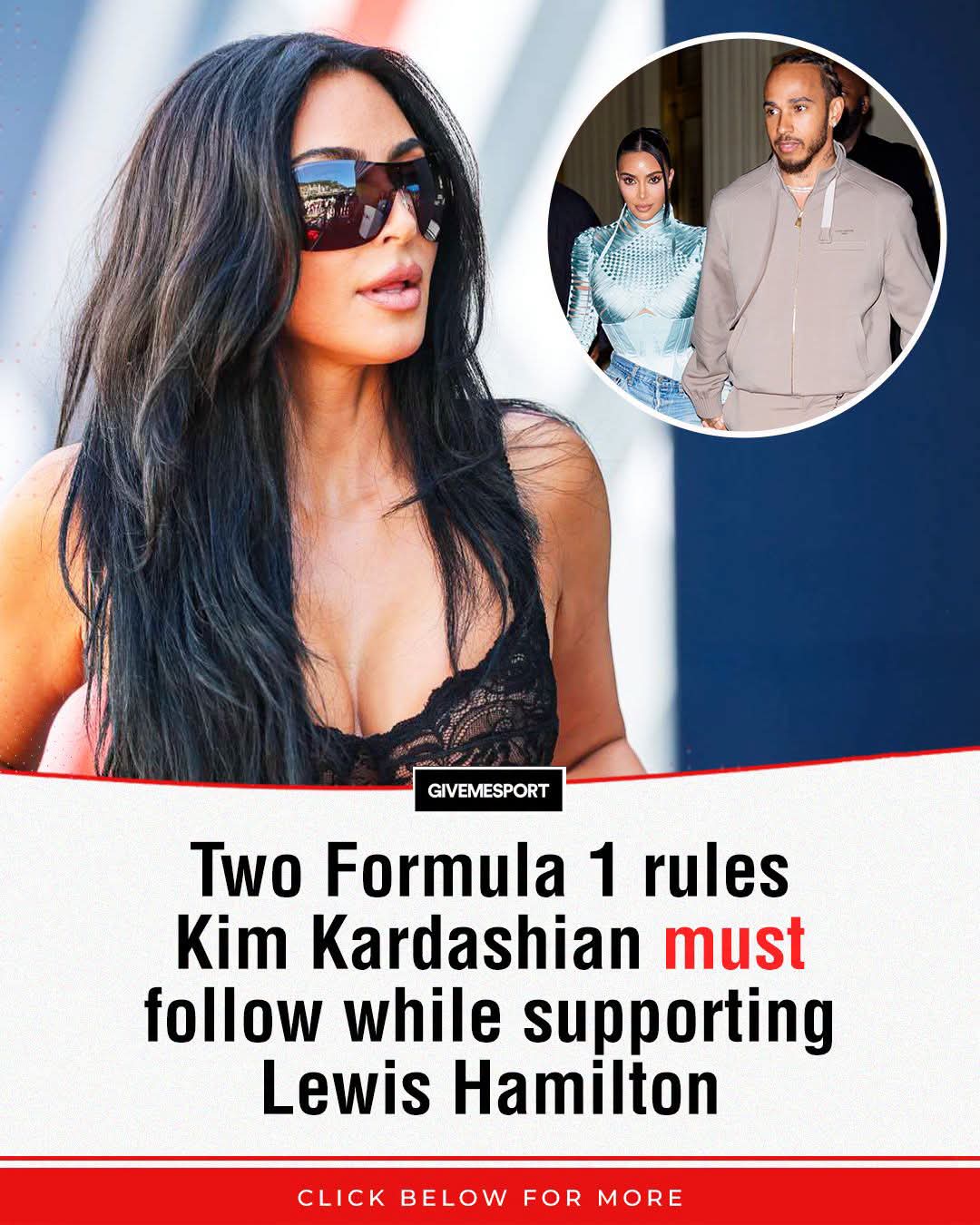
Formula 1’s transformation into a global entertainment phenomenon was on full display at the Monaco Grand Prix as Kim Kardashian made a high-profile appearance in support of Ferrari driver Lewis Hamilton.
The reality television icon, entrepreneur, and social media powerhouse became one of the most talked-about figures in the paddock throughout the weekend, drawing almost as much attention as the action on track. While her presence generated headlines worldwide, it also highlighted the unique balance Formula 1 must maintain between celebrity culture and the strict sporting regulations that govern race weekends.
As Hamilton chased a strong result for Ferrari in Monaco, Kardashian’s appearance became another example of how Formula 1’s influence now extends far beyond motorsport.
FORMULA 1’S CELEBRITY APPEAL HAS REACHED NEW HEIGHTS
Monaco has always been Formula 1’s most glamorous event, attracting royalty, actors, musicians, athletes, and business leaders from around the world.
However, the modern era has taken that visibility to another level.
With Formula 1’s explosive growth across social media platforms and streaming services, celebrity appearances have become a major part of the sport’s global appeal. Figures like Kim Kardashian bring enormous attention from audiences who may not traditionally follow motorsport, helping Formula 1 reach new demographics and expand its worldwide audience.
For Formula 1, that visibility is invaluable. Every celebrity appearance generates media coverage that extends far beyond the racing community.
EVEN CELEBRITIES MUST FOLLOW FIA REGULATIONS
Despite the glamour surrounding the paddock, Formula 1 remains one of the most tightly controlled sporting environments in the world.
The FIA enforces strict regulations regarding access, accreditation, security, and movement within restricted areas. Every person entering the paddock must possess the proper credentials, whether they are drivers, engineers, sponsors, media members, or celebrity guests.
These rules exist to protect the integrity of the competition and ensure teams can operate without unnecessary distractions.
The paddock is effectively the operational headquarters of Formula 1 teams during a race weekend. Sensitive technical information, confidential discussions, and race preparations all take place within these restricted areas.
For that reason, accreditation requirements apply universally regardless of a guest’s fame or status.
LEWIS HAMILTON REMAINS A MAGNET FOR GLOBAL ATTENTION
Hamilton’s influence extends far beyond his achievements on the racetrack.
The seven-time world champion has spent years building a brand that transcends Formula 1, becoming one of the most recognizable athletes on the planet. His interests in fashion, music, business, and social causes have expanded his appeal to audiences who might never otherwise watch a Grand Prix.
That crossover influence naturally attracts attention whenever Hamilton is involved.
Whether discussing his performances for Ferrari, his championship ambitions, or his personal life, Hamilton remains one of Formula 1’s biggest headline generators. The presence of a global celebrity such as Kardashian only amplified the spotlight surrounding Ferrari during one of the season’s most prestigious weekends.
FERRARI’S MONACO WEEKEND CARRIED HUGE IMPORTANCE
While much of the media attention focused on celebrity appearances, Ferrari’s primary concern remained performance.
The Scuderia entered Monaco hoping to challenge Mercedes sensation Kimi Antonelli and reigning champion Max Verstappen at the front of the grid. Hamilton’s qualifying performance placed him firmly in contention, giving Ferrari optimism that a strong result was possible.
Monaco’s unique characteristics make track position incredibly important.
Overtaking opportunities are extremely limited, meaning qualifying often plays a decisive role in determining race outcomes. Starting near the front gave Hamilton an opportunity to pressure the drivers ahead and potentially capitalize on strategic opportunities.
For Ferrari, every podium and every victory matters as the team continues pursuing its long-term goal of returning to championship-winning form.
WHY MONACO REMAINS DIFFERENT FROM EVERY OTHER GRAND PRIX
Few sporting events combine prestige and spectacle quite like the Monaco Grand Prix.
The narrow streets, historic corners, luxury yachts, and breathtaking scenery create an atmosphere unlike anything else in motorsport. It is one of the rare events where celebrities, business executives, athletes, and racing legends all gather in one place.
This environment naturally attracts global media attention.
The Monaco Grand Prix is not just a race; it is a cultural event. That distinction helps explain why celebrity appearances generate so much discussion and why Formula 1 continues investing heavily in its broader entertainment appeal.
HAMILTON’S CHALLENGE AGAINST A NEW GENERATION
One of the most fascinating storylines of the 2026 season is Hamilton’s battle against Formula 1’s emerging stars.
Kimi Antonelli has rapidly established himself as the championship favorite, while Max Verstappen remains a constant threat despite reliability concerns and fierce competition. Younger drivers continue raising the competitive standard across the grid.
Hamilton, however, remains determined to prove that experience still matters.
His performances this season have shown flashes of the brilliance that helped him secure seven world championships. Monaco represented another opportunity to demonstrate why he remains one of the most respected drivers in Formula 1 history.
THE BUSINESS IMPACT OF CELEBRITY INVOLVEMENT
Celebrity appearances are not simply about publicity.
They also have significant commercial value.
Sponsors, manufacturers, and teams benefit from increased exposure whenever high-profile public figures attend Formula 1 events. The social media reach generated by celebrities often exceeds that of traditional sports coverage, creating additional opportunities for engagement and brand growth.
Formula 1’s rapid expansion in markets such as the United States has been driven partly by this blend of sport and entertainment. The sport understands that attracting new audiences requires more than just competitive racing.
Monaco remains one of the clearest examples of that strategy in action.
WHAT THIS MEANS FOR FORMULA 1’S FUTURE
The presence of figures like Kim Kardashian demonstrates how far Formula 1 has evolved over the past decade.
The championship is no longer viewed solely as a motorsport competition. It has become a global entertainment property capable of attracting audiences from fashion, music, film, business, and mainstream sports.
That broader appeal creates enormous opportunities for future growth.
As Formula 1 continues expanding internationally, celebrity involvement is likely to increase rather than decrease. Teams, sponsors, and promoters recognize the value these personalities bring in helping introduce the sport to new audiences.
FINAL THOUGHTS
Kim Kardashian’s Monaco Grand Prix appearance may have generated headlines, but it also highlighted a much larger story about Formula 1’s evolution.
The sport now sits at the intersection of elite competition and global entertainment, attracting attention from audiences far beyond traditional motorsport circles. While FIA regulations ensure that everyone follows the same fundamental rules inside the paddock, the presence of major celebrities demonstrates just how influential Formula 1 has become.
For Lewis Hamilton, the focus remains on delivering results for Ferrari and chasing more success on track. For Formula 1, weekends like Monaco prove that the championship’s reach continues to grow in ways few could have imagined just a decade ago.
As the 2026 season unfolds, the combination of intense competition, emerging stars, established champions, and global celebrity interest will continue driving Formula 1 toward even greater heights.