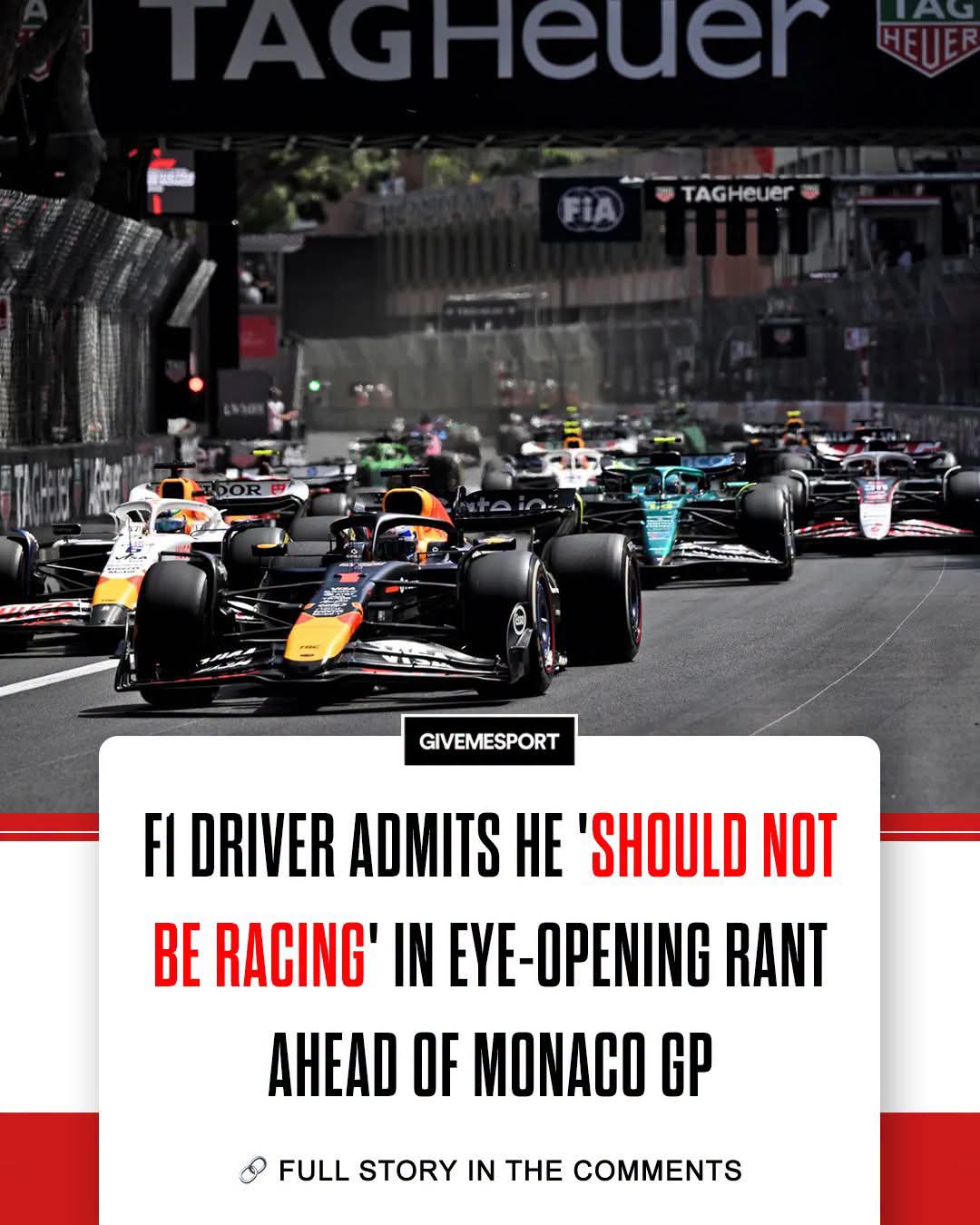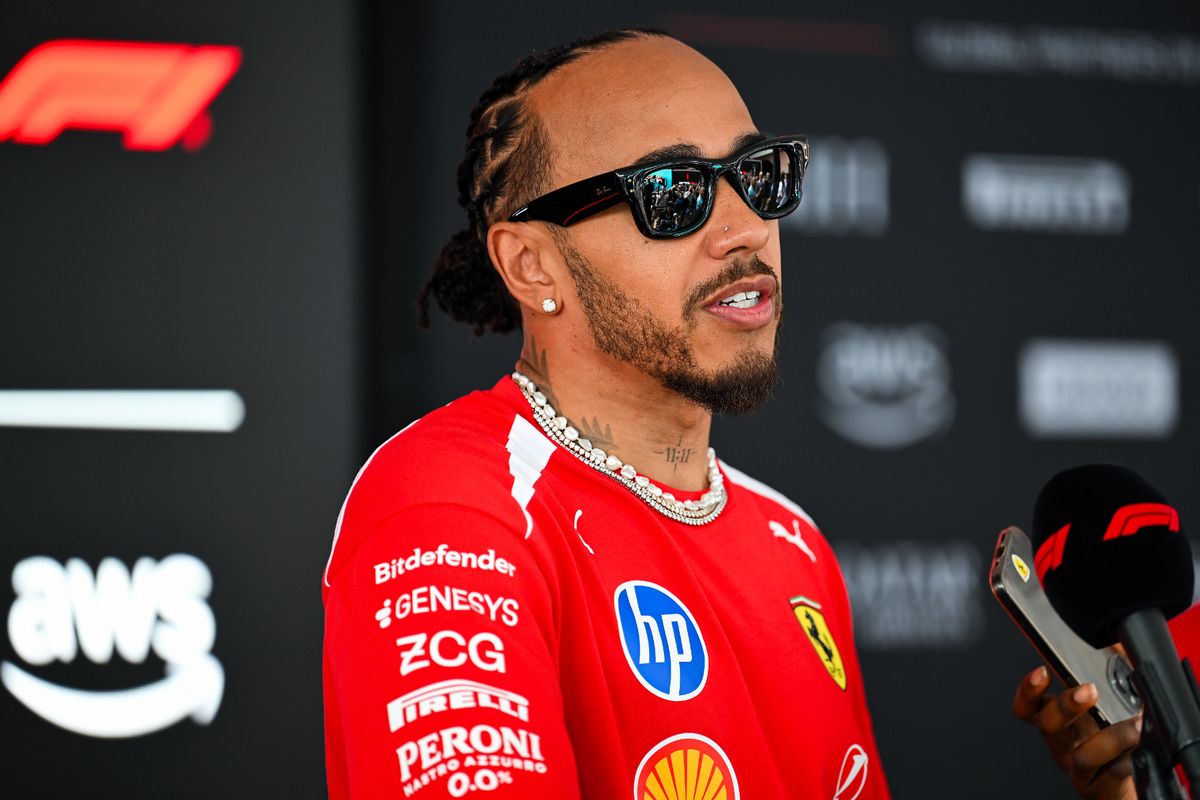
Lewis Hamilton may have celebrated a second consecutive podium finish at the Monaco Grand Prix, but the Ferrari star left Monte Carlo with serious concerns about one of Formula 1’s most important officiating systems. After receiving a five-second penalty for allegedly speeding in the pit lane, Hamilton has called for a thorough review of the technology used to measure pit-lane speeds, insisting that he did nothing wrong.
The seven-time world champion was fortunate that the penalty did not ruin his race, as he still finished second behind championship leader Kimi Antonelli. However, Hamilton believes the issue goes far beyond his own result. With multiple drivers receiving similar penalties throughout the weekend, questions are now being raised about whether Formula 1’s current pit-lane monitoring system is fit for purpose.
HAMILTON LEFT STUNNED BY MONACO PENALTY
Hamilton’s frustration stems from the fact that he was penalized despite exceeding the speed limit by an incredibly small margin. Officials judged the Ferrari driver to have entered the pit lane at 60.1 km/h in a zone restricted to 60 km/h.
For most drivers, such a tiny difference would be virtually impossible to detect from inside the cockpit. Hamilton immediately questioned the decision, arguing that his pit-lane limiter was activated correctly and that he followed the same entry line he has used for years around Monaco.
According to the Briton, the problem may not be the speed itself but rather the way the FIA calculates it. Modern Formula 1 cars use electronic timing loops and transponder systems that measure speed based on distance traveled over time. Hamilton suspects that the line drivers take while entering the pit lane may be affecting how the system interprets their speed.
His concerns were amplified by the fact that several other drivers received similar penalties during the race weekend.
A GROWING PROBLEM FOR FORMULA 1
Hamilton was far from the only driver caught out by Monaco’s pit-lane monitoring system. George Russell, Oscar Piastri, and several others also found themselves penalized for marginal infractions.
The frequency of these incidents has sparked debate across the paddock. When multiple teams and drivers encounter the same problem in a single weekend, it naturally raises concerns about whether the issue lies with driver execution or the technology itself.
Monaco’s pit entry is unique compared to many circuits on the calendar. The narrow layout and specific racing line often encourage drivers to clip parts of the white line while entering the pits. If that line shortens the measured distance used by timing systems, it could create situations where drivers appear to exceed the limit without actually traveling faster.
This is exactly the type of scenario Hamilton wants investigated before it affects future races and potentially championship outcomes.
WHY THE ISSUE MATTERS MORE THAN EVER
In Formula 1, penalties measured in seconds can decide races, podiums, and ultimately championships.
Hamilton escaped major damage because Ferrari managed the situation effectively and his race pace was strong enough to absorb the punishment. Other drivers were not so fortunate. On a circuit like Monaco, where overtaking is almost impossible, even a minor time penalty can completely destroy a driver’s chances.
The concern is not simply about fairness. It is about confidence in the officiating process.
Drivers need to know that penalties are based on accurate and reliable measurements. If competitors begin questioning whether the technology itself is producing misleading results, trust in race control decisions can quickly erode.
Formula 1 has invested heavily in advanced data systems over the years, but Monaco has highlighted the possibility that some areas may still require refinement.
HAMILTON’S CHAMPIONSHIP FIGHT REMAINS ALIVE
Despite the controversy, Monaco was ultimately another positive weekend for Hamilton and Ferrari.
His second-place finish marked his second consecutive runner-up result and further strengthened his position in the drivers’ standings. The Ferrari driver has now climbed to second in the championship, although he remains 66 points behind Antonelli.
That gap is significant, but not impossible to overcome.
The season is still relatively young, and Ferrari has shown encouraging progress in recent races. Hamilton appears increasingly comfortable with the team’s package, and his performances have become more consistent after a difficult start to the campaign.
Perhaps most importantly, he is scoring heavily while several rivals continue to encounter setbacks.
FERRARI’S MOMENTUM COULD BE BUILDING
Hamilton’s improved form comes at an important time for Ferrari.
While Antonelli and Mercedes continue to dominate headlines, Ferrari has quietly established itself as a regular podium contender. The team’s pace in Canada and Monaco demonstrated that they can challenge near the front under varying conditions.
Hamilton’s confidence also appears to be growing. His adaptation to Ferrari has taken longer than many expected, but recent results suggest the partnership is finally beginning to click.
If Ferrari can unlock additional performance through development updates later in the season, Hamilton could emerge as Antonelli’s closest challenger.
The Monaco result may have been accompanied by controversy, but it also reinforced the fact that Hamilton remains firmly in the title conversation.
WHAT HAPPENS NEXT?
The FIA is likely to face increasing pressure to review the pit-lane speed monitoring process following Monaco.
With multiple teams questioning the penalties and drivers openly discussing possible flaws in the measurement system, Formula 1’s governing body may need to provide greater transparency about how speeds are calculated.
Whether any formal changes are introduced remains uncertain, but Monaco has undoubtedly exposed an issue that cannot simply be ignored.
For Hamilton, the focus now shifts to Barcelona, where he will aim to continue his strong run of form. Momentum is finally building at Ferrari, and another podium could further strengthen his championship position.
A CONTROVERSY THAT COULD HAVE LONG-TERM CONSEQUENCES
Hamilton’s call for an investigation is about more than one five-second penalty. It highlights a broader concern regarding how Formula 1 balances technology, precision, and sporting fairness.
If Monaco’s penalties were the result of a technical loophole rather than genuine speeding, the FIA will face difficult questions about how future incidents are handled. If the system is proven accurate, drivers may need to rethink how they approach pit entry on certain circuits.
Either way, the debate is unlikely to disappear anytime soon.
As Formula 1 heads into the next phase of the 2026 season, Hamilton leaves Monaco with mixed emotions: satisfaction from another podium finish, frustration over a controversial penalty, and renewed determination to chase down Antonelli in what is becoming one of the most fascinating championship battles in recent years.