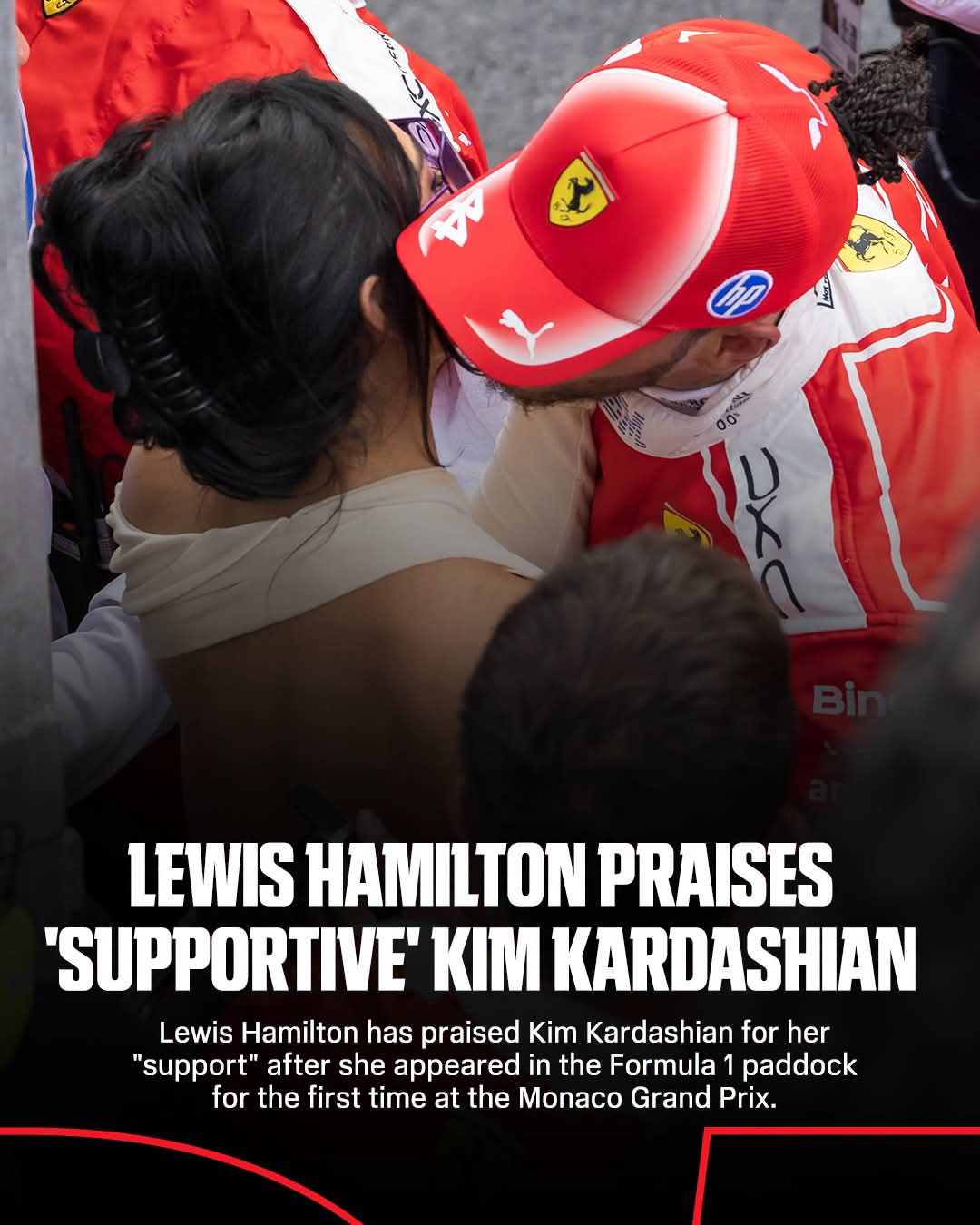
Lewis Hamilton’s hopes of turning a strong Monaco Grand Prix into a genuine victory challenge suffered a major setback after the FIA handed the Ferrari driver a five-second penalty for speeding in the pit lane.
The seven-time world champion had positioned himself firmly in contention during the race and appeared to be exploring every possible strategy to challenge Mercedes star Kimi Antonelli at the front. However, a costly mistake during a crucial pit stop added another twist to a dramatic afternoon in Monte Carlo and highlighted how even the smallest errors can have major consequences in Formula 1.
HAMILTON’S AGGRESSIVE STRATEGY BACKFIRES
Monaco has long been regarded as one of the most difficult circuits on the Formula 1 calendar when it comes to overtaking. Drivers often rely on pit strategy, tire management, and track position rather than wheel-to-wheel battles to gain an advantage.
Hamilton and Ferrari understood that reality.
Running near the front of the field, Ferrari attempted to use strategy to pressure race leader Kimi Antonelli. The team hoped an aggressive pit stop could potentially create an undercut opportunity and place Hamilton in a stronger position for the closing stages of the race.
However, as Hamilton entered the pit lane, he exceeded the speed limit and immediately caught the attention of race officials.
The FIA quickly launched an investigation before confirming a five-second time penalty, significantly damaging Ferrari’s tactical plans.
WHY PIT LANE SPEEDING IS TAKEN SO SERIOUSLY
Pit lane speed limits exist for one primary reason: safety.
While Formula 1 cars regularly exceed 300 km/h on track, pit lanes are controlled environments where mechanics, engineers, photographers, and officials operate in close proximity to moving cars.
Even a small speed violation can create unnecessary risks.
The FIA has consistently enforced strict penalties for speeding infringements regardless of the driver’s reputation or championship position. Hamilton’s punishment served as another reminder that no competitor receives special treatment when safety regulations are involved.
In Monaco’s tight and congested pit lane environment, officials had little choice but to apply the rule as written.
A RARE ERROR FROM ONE OF F1’S MOST EXPERIENCED DRIVERS
What makes the incident particularly notable is Hamilton’s vast experience.
With well over a decade and a half in Formula 1 and multiple world championships to his name, Hamilton is typically one of the most disciplined drivers on the grid when it comes to race procedures.
Yet Monaco has a way of increasing pressure levels unlike any other circuit.
Every second matters. Every strategic decision carries enormous weight. Every pit stop becomes a potential race-defining moment.
The desire to maximize performance may have contributed to the marginal miscalculation that ultimately triggered the penalty.
For Hamilton, it was a frustrating setback in what had otherwise been one of Ferrari’s most encouraging weekends of the 2026 season.
HAMILTON WASN’T THE ONLY DRIVER CAUGHT OUT
Perhaps the most surprising aspect of the Monaco Grand Prix was the number of drivers penalized for the same offense.
George Russell, Franco Colapinto, Pierre Gasly, Oscar Piastri, and Lance Stroll were all handed five-second penalties for pit lane speeding during the race.
The unusual frequency of incidents immediately became a major talking point throughout the paddock.
Several analysts questioned whether teams were operating too close to the speed limit in an effort to maximize performance. Others wondered if changes in pit lane reference points or timing procedures may have contributed to the spike in violations.
Regardless of the explanation, the FIA’s consistency in applying penalties ensured that every team faced the same consequences.
WHAT THE PENALTY MEANS FOR FERRARI
Ferrari entered Monaco carrying growing momentum.
The team had shown improved pace throughout the weekend and appeared closer to Mercedes than at several previous events this season. Hamilton and Charles Leclerc both demonstrated competitive speed, giving Ferrari genuine reason for optimism.
A victory in Monaco would have represented more than just another race win.
It would have strengthened Ferrari’s championship ambitions, boosted confidence inside the team, and validated the development direction established by team principal Fred Vasseur.
Instead, Hamilton’s penalty limited Ferrari’s ability to fully capitalize on a promising opportunity.
While the team still collected valuable points, Monaco could be remembered as a weekend where an even bigger result slipped away.
ANTONELLI CONTINUES TO EXTEND HIS ADVANTAGE
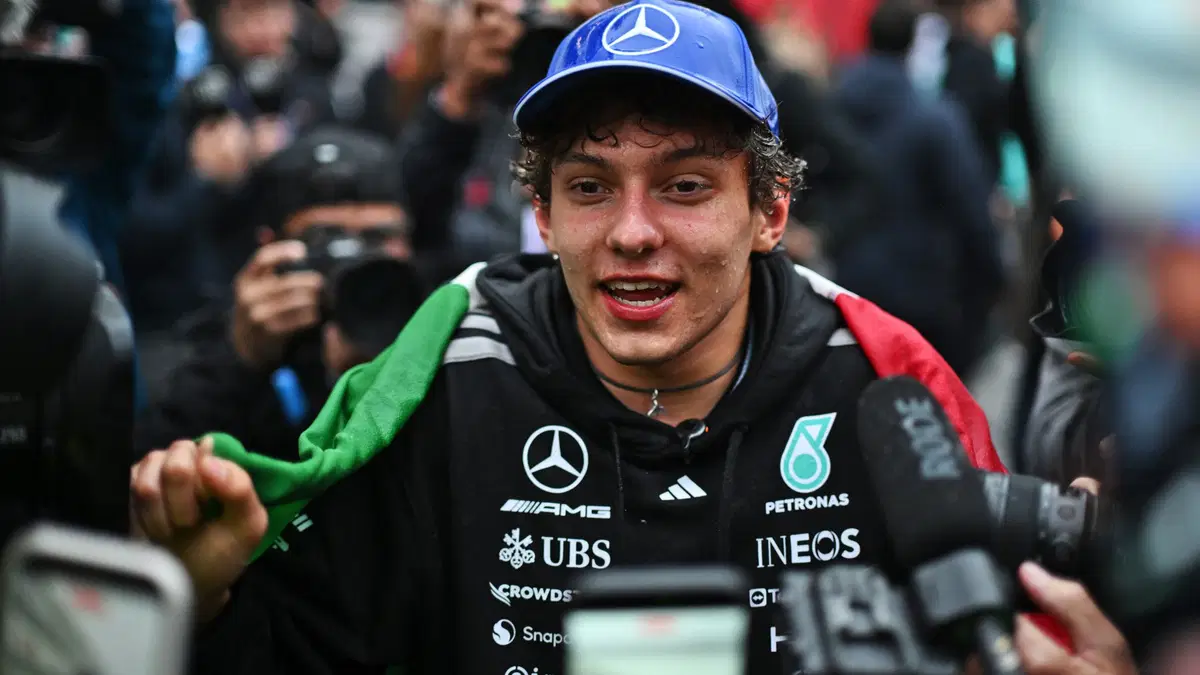
The biggest beneficiary of Hamilton’s penalty was arguably championship leader Kimi Antonelli.
The young Mercedes driver has established himself as the benchmark of the 2026 season, combining exceptional speed with remarkable consistency.
Every time a rival suffers a setback—whether through penalties, strategy errors, or reliability problems—Antonelli strengthens his grip on the championship.
For Hamilton, Verstappen, Russell, and the rest of the title contenders, the challenge is becoming increasingly difficult. Beating Antonelli requires near-perfect execution, and Monaco once again demonstrated how costly even minor mistakes can be.
WHY MONACO EXPOSES EVERY WEAKNESS
Few circuits punish errors as harshly as Monaco.
Drivers battle walls that leave virtually no margin for correction. Teams operate under immense strategic pressure because overtaking opportunities are almost nonexistent. Pit stops become magnified because they often represent the only realistic chance to gain track position.
As a result, every detail matters.
Hamilton’s speeding infringement may have lasted only a fraction of a second, but its consequences lasted the entire race.
That reality is what makes Monaco both frustrating and fascinating. Success is often determined not by outright speed alone, but by flawless execution across every aspect of a Grand Prix weekend.
CHAMPIONSHIP IMPLICATIONS MOVING FORWARD
The 2026 title fight remains far from over, but Monaco highlighted an increasingly important trend.
Mercedes continues to execute at an elite level.
Ferrari is improving but still searching for complete consistency.
Red Bull faces reliability concerns following Max Verstappen’s retirement.
McLaren remains capable of challenging at certain circuits but has yet to establish sustained momentum.
As Formula 1 heads deeper into the season, every point becomes more valuable. Hamilton’s penalty may seem minor in isolation, but championship campaigns are often shaped by moments exactly like this.
If Ferrari hopes to close the gap to Mercedes, weekends must be converted into maximum points whenever opportunities arise.
Monaco proved that the difference between success and disappointment can sometimes be measured in just a few kilometers per hour.
FINAL THOUGHTS
Lewis Hamilton’s Monaco penalty will undoubtedly frustrate Ferrari, especially given the team’s strong pace throughout the weekend. Yet the incident also reinforces a larger lesson about modern Formula 1: margins are smaller than ever.
In a season already defined by fierce competition, technical innovation, and rising stars such as Kimi Antonelli, every mistake carries amplified consequences.
Hamilton remains a serious contender capable of winning races, but Ferrari must now regroup quickly and ensure that future opportunities are not lost through avoidable penalties.
Because in a championship battle this close, every second matters.