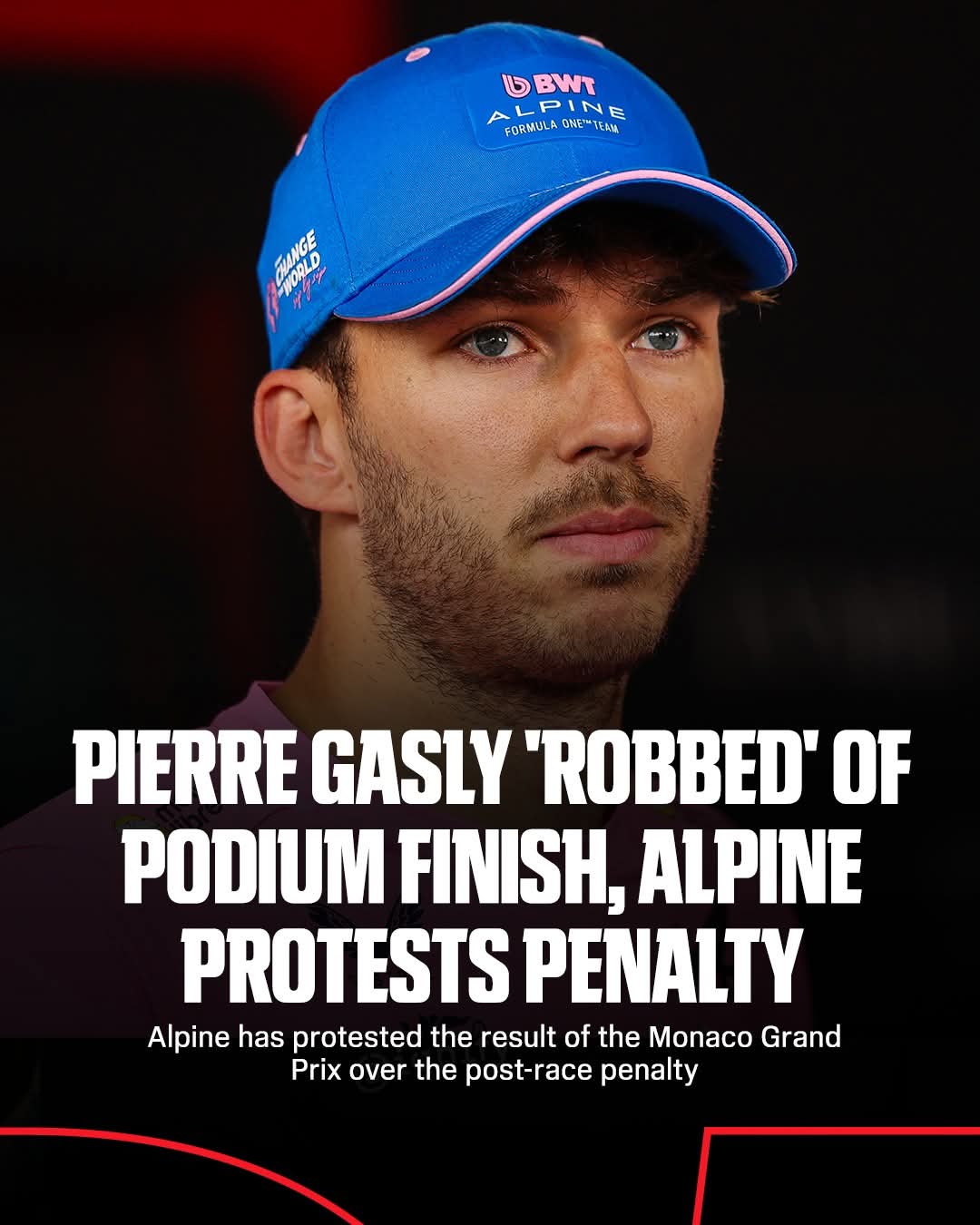
The aftermath of the 2026 Monaco Grand Prix has become one of the most controversial stories of the Formula 1 season after Pierre Gasly was stripped of a remarkable podium finish following a post-race penalty. What initially appeared to be one of the finest performances of Gasly’s career quickly turned into heartbreak, with Alpine launching an official challenge against the FIA’s decision.
The incident has reignited debate about Formula 1’s pit-lane monitoring systems, the consistency of stewarding decisions, and whether the punishment handed to Gasly truly matched the offense.
A DREAM MONACO RESULT TURNED INTO DISASTER
For much of Sunday’s chaotic Monaco Grand Prix, Pierre Gasly looked set to achieve something special.
The Alpine driver delivered a composed and aggressive race around Formula 1’s most demanding street circuit, navigating multiple incidents, safety car interruptions, and strategic uncertainty. When he crossed the finish line in third place, celebrations immediately erupted inside the Alpine garage.
Gasly himself believed he had secured the sixth podium of his Formula 1 career. The Frenchman celebrated on his cool-down lap, soaking in what should have been one of the most memorable moments of his season.
But the celebrations were short-lived.
A post-race review confirmed that Gasly had received a second pit-lane speeding penalty, resulting in a time addition that dropped him from third all the way down to seventh place.
The emotional impact was immediate and visible.
For a driver who has spent years battling in midfield machinery and fighting for every opportunity, losing a Monaco podium after the checkered flag felt particularly cruel.
WHY ALPINE BELIEVES THE PENALTY WAS WRONG
Alpine wasted little time responding.
The team filed a Right of Review request, one of the most serious procedural challenges available under Formula 1 regulations. Such a request requires the team to provide significant new evidence that was unavailable when the original decision was made.
The basis of Alpine’s argument appears to center around the accuracy of the pit-lane speed detection system.
Gasly insists he did not exceed the speed limit in any meaningful way. According to the Alpine driver, data visible inside the cockpit suggested he remained under the mandated 60 km/h threshold.
What makes the situation even more controversial is the incredibly small margin involved.
Gasly’s infractions were reportedly measured at just 0.1 km/h and 0.4 km/h over the limit.
Those figures have prompted questions throughout the paddock about measurement precision, calibration standards, and whether such microscopic differences should decide race results.
THE BIGGER PROBLEM FORMULA 1 CANNOT IGNORE
Gasly was not alone.
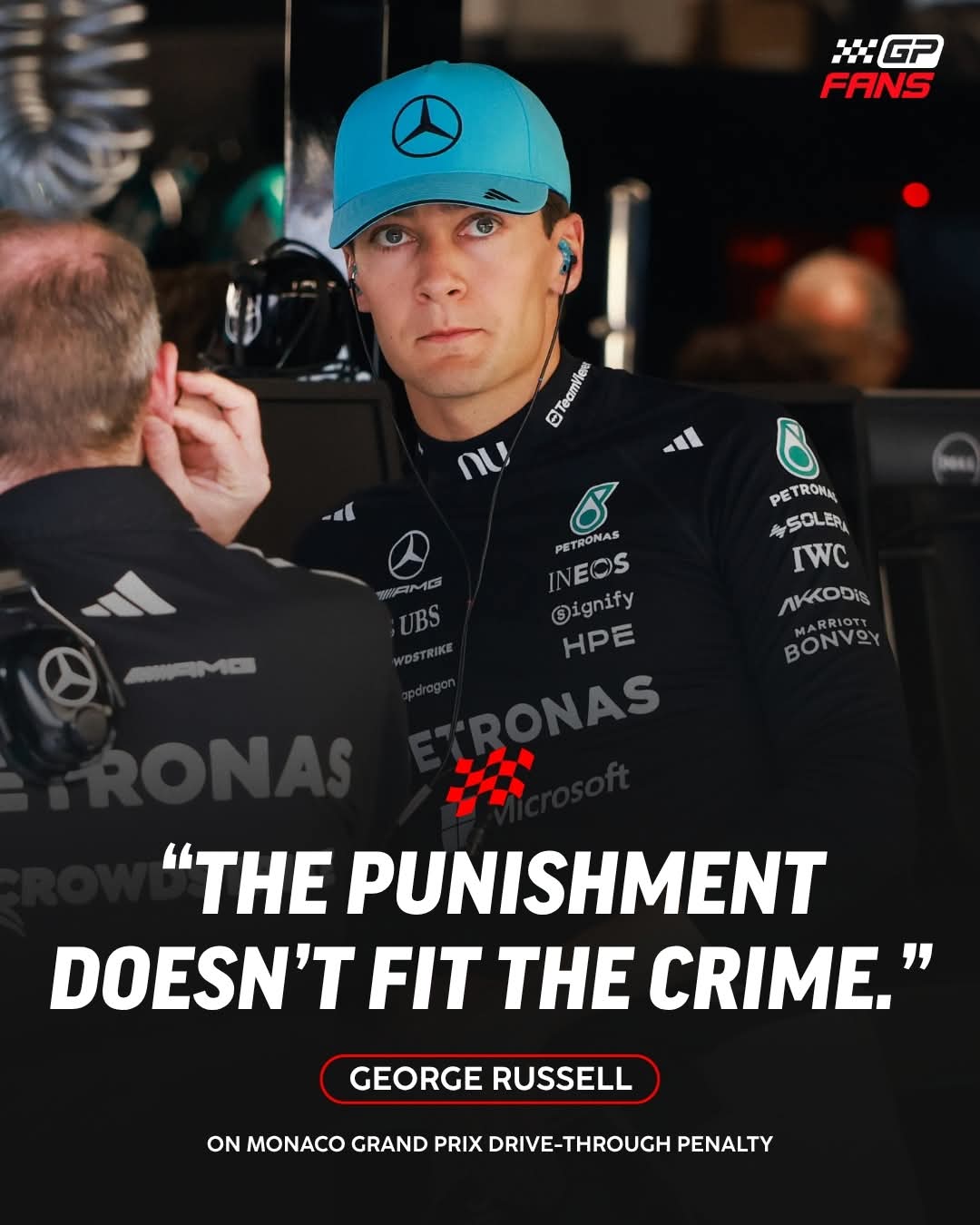
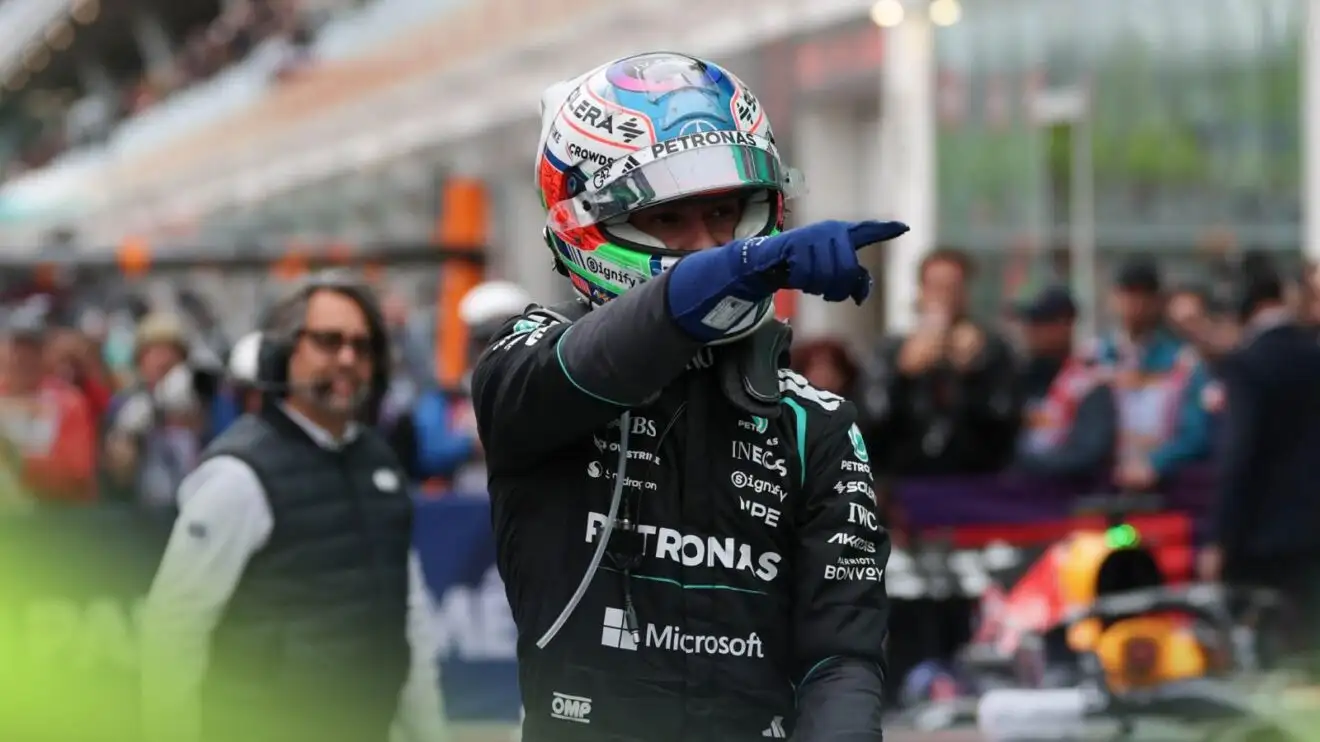
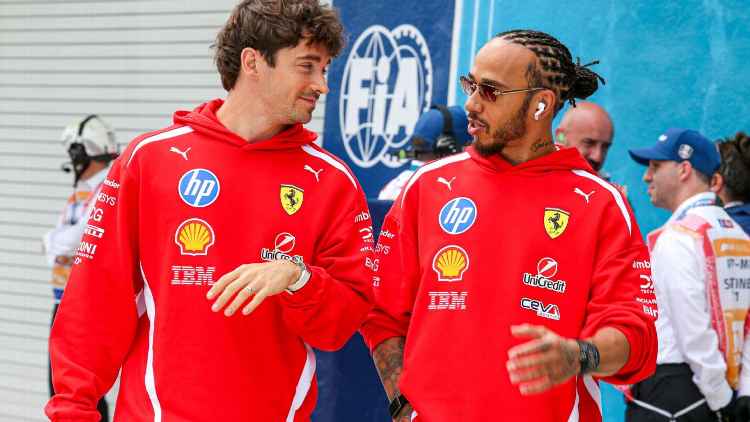
Several other drivers, including George Russell, Lewis Hamilton, Oscar Piastri, and Franco Colapinto, were penalized for similar pit-lane speed violations during the Monaco weekend.
The unusually high number of penalties immediately raised concerns among teams.
Many drivers suggested that Monaco’s unique pit-lane layout may have contributed to the issue. The current timing-loop system calculates speed electronically rather than using direct speed-gun measurements. Some believe aggressive entries into the pit lane could alter the distance measured between timing loops, potentially creating unintended discrepancies.
Whether that theory proves correct remains uncertain, but the fact that multiple teams encountered similar problems suggests the FIA may face increasing pressure to review the technology.
If Formula 1’s drivers are losing podiums because of fractions of a kilometer per hour, confidence in the system could quickly become a major talking point.
WHAT THE LOST PODIUM MEANS FOR GASLY AND ALPINE
Beyond the immediate disappointment, the penalty carries significant consequences.
A Monaco podium is one of the most prestigious achievements in motorsport. For Alpine, it would have represented a major breakthrough during a season where opportunities to challenge the front-running teams have been limited.
Championship points are also becoming increasingly valuable as the midfield battle intensifies.
Instead of collecting the reward associated with a third-place finish, Gasly was left with a drastically reduced points haul. That swing could prove important later in the season as teams fight for positions in the Constructors’ Championship.
For Gasly personally, the moment hurts even more.
The Frenchman has often carried Alpine’s hopes during difficult periods and has consistently extracted strong performances from the car. Delivering a podium in Monaco would have strengthened his reputation as one of Formula 1’s most underrated drivers.
Instead, the weekend may now be remembered for controversy rather than achievement.
FIA FACES A CRUCIAL DECISION
The FIA now finds itself in a difficult position.
If Alpine presents compelling evidence and the penalty is overturned, it could create questions about the reliability of current officiating systems.
However, if the protest fails, criticism from teams and drivers is unlikely to disappear.
The governing body must balance strict enforcement of regulations with maintaining confidence in the fairness of competition.
Nobody disputes that speed limits should be respected in the pit lane. The real debate centers on whether penalties involving fractions of a kilometer per hour should carry consequences severe enough to erase one of the biggest results of a driver’s career.
WHAT THIS COULD MEAN FOR THE REST OF THE 2026 SEASON
Regardless of the outcome, the Monaco controversy is unlikely to fade quickly.
Teams will undoubtedly scrutinize pit-lane procedures more closely in upcoming races. Engineers may introduce additional safety margins, even if that costs valuable tenths of a second during pit stops.
Drivers will also be paying attention.
If Monaco revealed a potential flaw in how speed is measured, future events could see even more disputes unless the FIA provides clarification.
For Gasly and Alpine, the focus now shifts to recovery. The performance level shown in Monaco suggests the team has genuine potential to challenge for more top-five finishes throughout the remainder of the season.
Yet the emotional scars of losing a Monaco podium may take far longer to heal.
CONCLUSION
Pierre Gasly’s Monaco Grand Prix should have been remembered as one of the defining performances of the 2026 Formula 1 season. Instead, it has become the center of a growing controversy involving penalties, technology, and sporting fairness.
As Alpine pushes for a review and the FIA evaluates the evidence, the outcome could have implications far beyond a single race result.
Whether Gasly ultimately regains his podium or not, Monaco has exposed a debate that Formula 1 can no longer ignore: when margins are measured in tenths of a kilometer per hour, how much precision is too much precision?