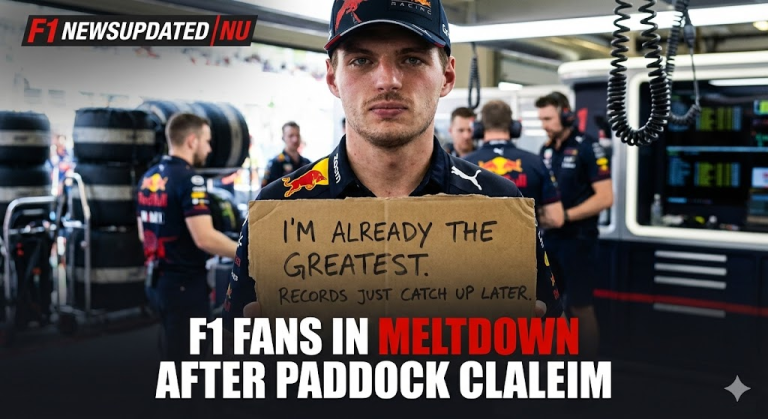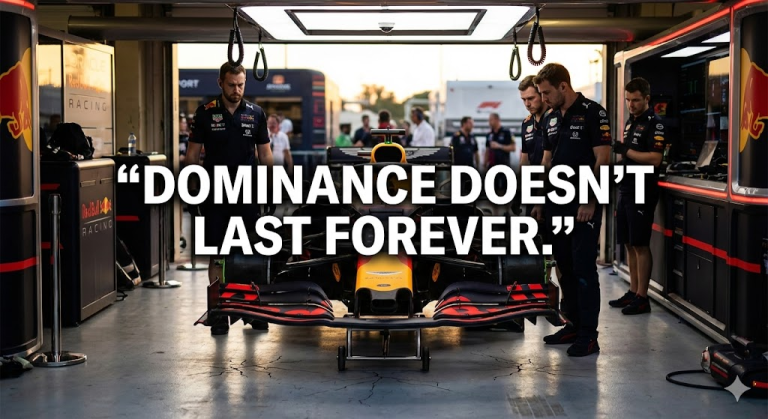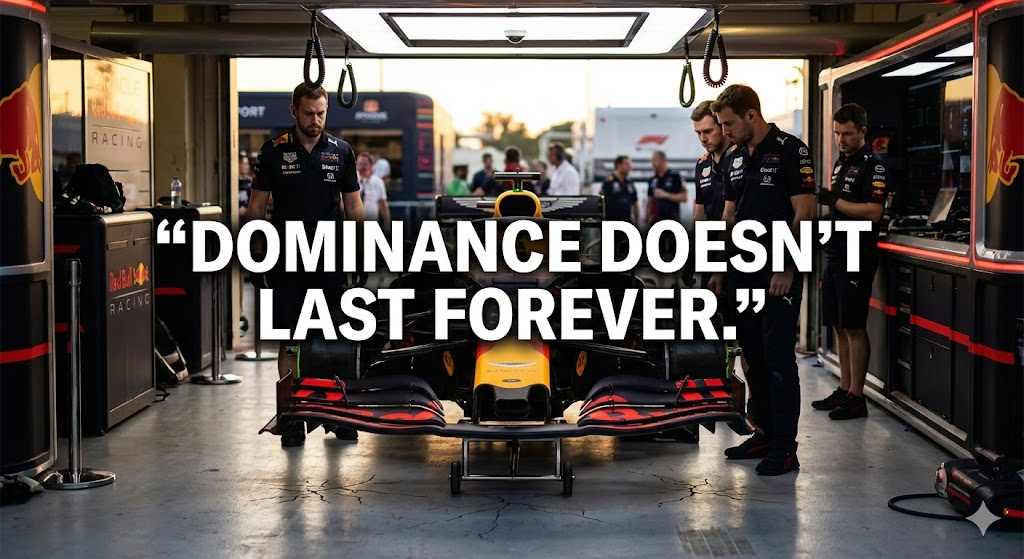
For years, Red Bull Racing have operated like an untouchable force in Formula One — clinical, dominant, ruthless. But something feels different this season. The aura of inevitability is no longer suffocating the grid. Instead, there’s a subtle hesitation creeping into conversations around the paddock.
Testing times may not tell the full story, yet the body language does. Rivals are no longer speaking about Red Bull with quiet surrender. There’s belief elsewhere. And belief is dangerous. Dominance in Formula One isn’t just about speed — it’s psychological warfare. Once the fear fades, the cracks begin.
Internally, the pressure is shifting. When you’ve built a dynasty, the expectation isn’t to compete — it’s to obliterate. Anything less than clear superiority suddenly feels like regression. And in a sport this brutal, perception spreads faster than performance data.
The challengers are circling. Ferrari look sharper. Mercedes are whispering comeback signals. McLaren carry momentum. Red Bull may still lead — but leading while being hunted is a different type of stress. One strategic misstep, one reliability issue, one intra-team spark… and the narrative flips overnight.
Dynasties don’t usually collapse in flames. They erode. Quietly. Gradually. Until one day the grid realizes the throne is no longer protected.
About the Author