In a stunning escalation of tensions within Spanish football, Real Madrid has reportedly declared its intention to boycott competitions organized by the Royal Spanish Football Federation (RFEF), accusing the system of being fundamentally compromised. The club’s bold statement—“We will not take part in a rigged competition”—has sent shockwaves through the football world, raising serious questions about governance, fairness, and the future of domestic competitions in Spain.
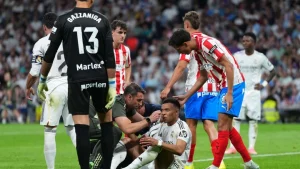 The announcement comes amid growing frustration within Real Madrid’s leadership, who have long expressed dissatisfaction with officiating standards and administrative decisions. While tensions between the club and the federation are not new, this marks the most direct and confrontational stance taken by the Madrid giants in recent history. The language used in the statement signals a breakdown in trust that could have far-reaching consequences.
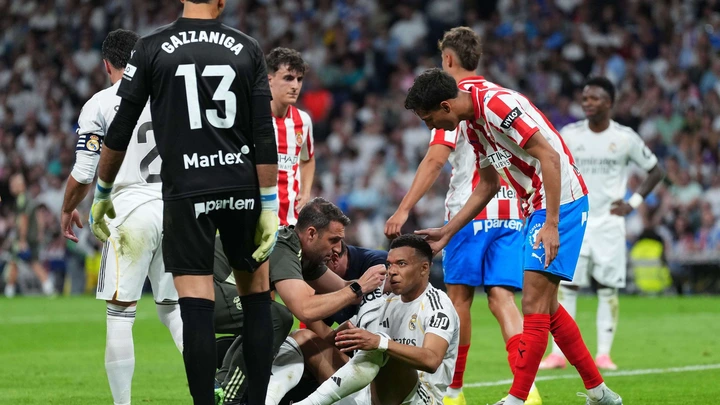
At the heart of the dispute are allegations that key decisions—ranging from refereeing calls to disciplinary rulings—have consistently gone against Real Madrid in a manner the club deems suspicious. Although no formal evidence of wrongdoing has been publicly presented, the perception of bias has fueled outrage among club officials and supporters alike. The situation has been further intensified by controversial matches that have dominated headlines in recent weeks.
Real Madrid’s stance also reflects broader unrest in Spanish football, where debates over transparency and accountability have grown louder. Critics of the La Liga system have pointed to inconsistencies in officiating and a lack of clarity in decision-making processes. While other clubs have voiced concerns more cautiously, Real Madrid’s declaration represents a dramatic escalation that could embolden others to speak out.
The potential implications of a boycott are enormous. As one of the most successful and globally recognized clubs in football history, Real Madrid’s absence would significantly diminish the competitiveness and commercial appeal of domestic competitions. Broadcasters, sponsors, and fans would all feel the impact, creating pressure on the federation to respond swiftly and decisively.
From a sporting perspective, the decision could disrupt the careers of players and coaching staff. Competing at the highest level is central to maintaining form, attracting talent, and achieving international success. A prolonged absence from official competitions could have unintended consequences for the club’s ambitions in tournaments such as the UEFA Champions League, where consistent high-level performance is crucial.
The federation, for its part, has yet to issue a detailed response, but sources suggest that emergency discussions are underway. Officials within the Royal Spanish Football Federation are reportedly keen to de-escalate the situation and avoid a full-blown crisis. However, any resolution will likely require significant concessions or reforms to address the concerns raised by Real Madrid.
Fans have been divided in their reactions. While many Real Madrid supporters have rallied behind the club, applauding its willingness to take a stand, others worry about the long-term consequences of such a drastic move. Neutral observers, meanwhile, have called for greater transparency and independent oversight to restore confidence in Spanish football’s governing structures.
This unfolding saga could mark a turning point for the sport in Spain. Whether it leads to meaningful reform or deepens existing divisions remains to be seen. What is clear, however, is that Real Madrid’s declaration has forced a conversation that can no longer be ignored, placing the integrity of the game firmly under the spotlight.
About the Author