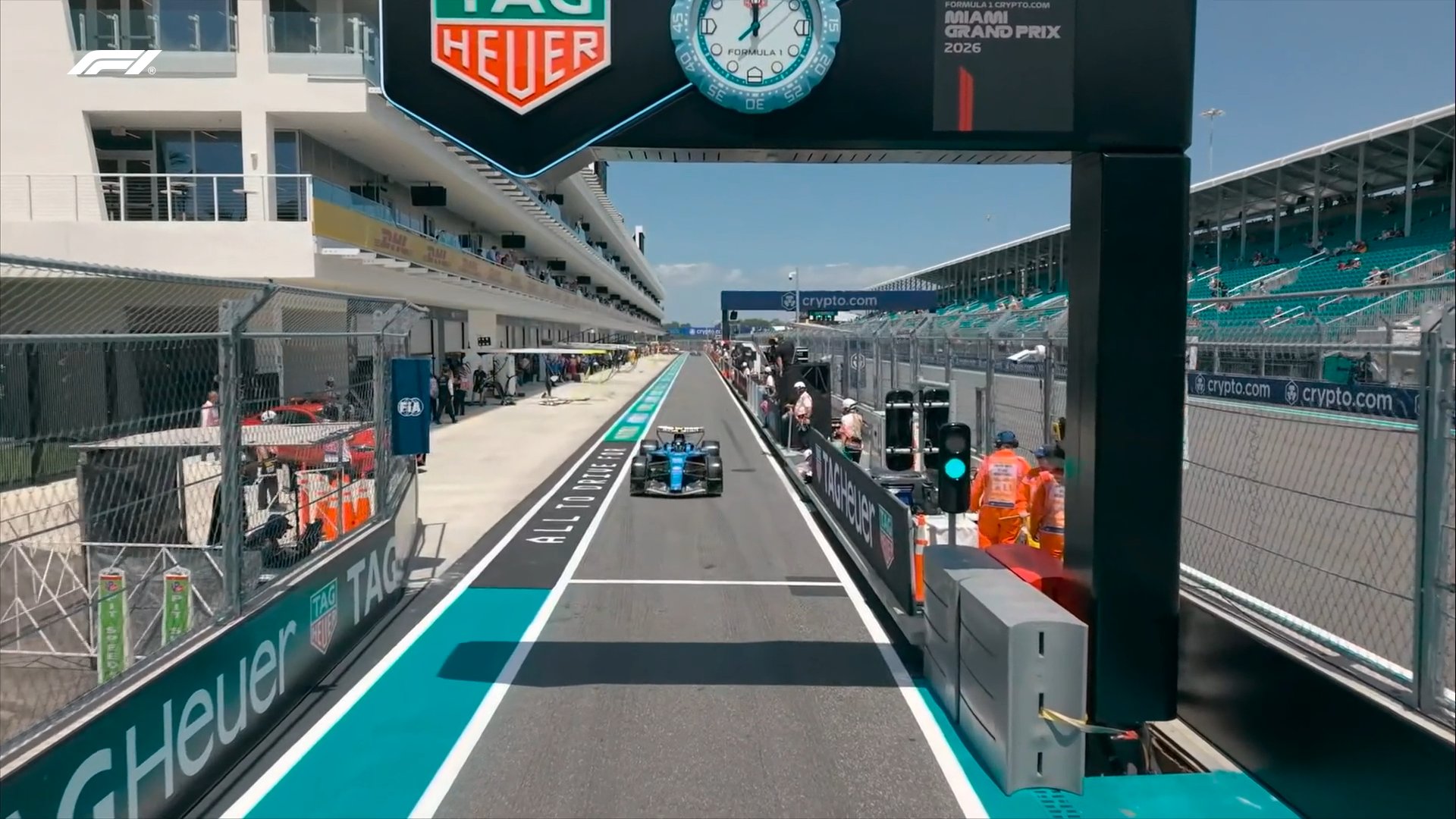
Formula 1 has introduced a notable adjustment to its race weekend structure, extending Practice 1 to a full 90 minutes. This move is designed to give drivers and teams more time to adapt to newly introduced rules and technical modifications, ensuring a smoother transition into competitive sessions. With evolving regulations constantly reshaping the sport, this extra track time could prove crucial in maintaining performance balance across the grid.
The decision comes at a time when teams are navigating increasingly complex car setups and regulatory tweaks. From aerodynamic adjustments to tire management changes, modern F1 cars demand precision and adaptability. By expanding Practice 1, teams now have a broader window to test configurations, analyze data, and fine-tune performance without the immediate pressure of qualifying or race conditions. This added flexibility is expected to reduce early-session errors and improve overall race weekend quality.
From a competitive standpoint, the extended session may also shift the balance between top teams and midfield contenders. While leading teams often have the resources to adapt quickly, smaller teams could benefit significantly from the extra time, using it to close performance gaps and experiment with more aggressive strategies. This could lead to tighter competition and more unpredictable outcomes—something fans and stakeholders alike have been eager to see.
However, not everyone may view this change as entirely positive. Longer practice sessions could increase operational costs and place additional strain on both drivers and crew members. There is also the question of diminishing returns—whether the extra 30 minutes will genuinely translate into better racing or simply more data without meaningful impact. Formula 1 will be closely monitoring how teams utilize this extended window before deciding if it becomes a permanent fixture.
Looking ahead, this adjustment signals Formula 1’s willingness to remain flexible and responsive to the evolving demands of the sport. If successful, it could pave the way for further weekend format innovations aimed at enhancing both performance and entertainment value. As teams begin to adapt, one thing is clear: the extra 30 minutes in Practice 1 could quietly become a game-changer in how race weekends unfold.
About the Author