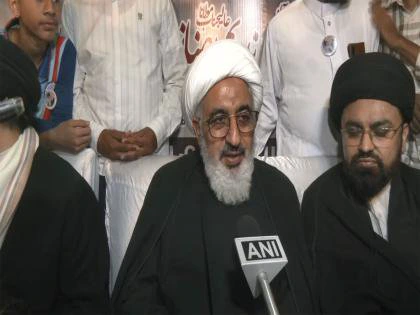
Tensions between the United States and Iran have taken another sharp turn following remarks by a senior Iranian representative in India, who accused Washington of pursuing coercion rather than genuine diplomacy. The statement, delivered by Abdul Majid Hakeem Ilahi, the Representative of Iran’s Supreme Leader in India, reflects growing frustration in Tehran over the direction and sincerity of ongoing interactions with the U.S.
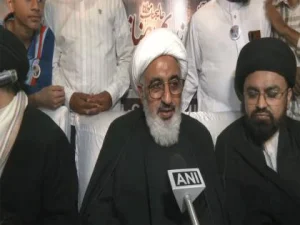 Speaking at a public event in Ayodhya, Ilahi asserted that Iran has long harbored doubts about Washington’s intentions in negotiations. According to him, the United States is not approaching talks in good faith but is instead attempting to impose its will through pressure tactics. He described the U.S. approach as contradictory and lacking credibility, particularly in light of recent geopolitical developments.
Ilahi pointed to what he called a paradox in U.S. policy, highlighting the situation surrounding the Strait of Hormuz. While Washington has emphasized the importance of keeping the strategic waterway open, it has simultaneously engaged in actions that Iran perceives as restrictive or escalatory. This inconsistency, he argued, undermines trust and raises questions about the true objectives of U.S. diplomacy.
The remarks come at a time of heightened tensions following the collapse of recent negotiations between the two countries. Talks held in Islamabad reportedly failed after prolonged discussions, with both sides unable to reconcile their differences. U.S. officials have indicated that Iran did not accept key conditions, while Iranian representatives have criticized what they describe as excessive and unrealistic demands from Washington.
From the Iranian perspective, the breakdown in talks is being framed as evidence that the United States is unwilling to engage on equal terms. Ilahi emphasized that Iran participated in negotiations to demonstrate its commitment to peace, even while doubting the seriousness of the other side. He suggested that Tehran’s willingness to attend talks should not be mistaken for weakness or acceptance of imposed conditions.
On the other hand, U.S. officials have maintained that diplomatic efforts are ongoing, even as they adopt a firm stance on critical issues such as Iran’s nuclear program and regional activities. Statements from Washington indicate that while progress has been made in discussions, significant gaps remain, and the responsibility for moving forward lies with Tehran.
The situation has been further complicated by rising military and economic pressure. Reports of potential blockades and accusations of “economic terrorism” have intensified rhetoric on both sides, pushing the relationship closer to confrontation. These developments have reinforced Iranian claims that the U.S. is relying more on force and leverage than on mutual compromise.
Ilahi’s comments also echo a broader narrative within Iran’s leadership, which has consistently argued that negotiations under pressure are fundamentally flawed. Iranian officials have repeatedly stated that they are open to dialogue, but only under conditions that respect their sovereignty and national dignity. This stance has become a central pillar of Tehran’s diplomatic messaging.
At the same time, there are signs that neither side has fully closed the door on diplomacy. Iranian representatives have indicated a willingness to return to negotiations if conditions change, while U.S. leaders continue to express hope for a breakthrough despite recent setbacks. This delicate balance between confrontation and dialogue underscores the complexity of the situation.
Ultimately, the statement that “the U.S. doesn’t want negotiation, they want to force their will” captures the deep mistrust that continues to define U.S.-Iran relations. As both nations navigate a volatile geopolitical landscape, the path forward remains uncertain, with the prospects for meaningful dialogue hinging on whether both sides can bridge their profound differences and rebuild a measure of trust.
About the Author