Saudi Arabian Grand Prix return gains momentum as Jeddah pushes for 2026 race
There are certain races in Formula 1 that feel bigger than the sport itself. Not just because of the racing, but because of what they represent—culture, ambition, and a statement to the world. Some venues arrive quietly, while others burst onto the scene with unmistakable energy. And then there are those that refuse to fade away, even when their place on the calendar becomes uncertain.
For fans, the rhythm of a season is built around these iconic stops. Each circuit carries its own identity, its own atmosphere, and its own story. But behind that spectacle lies a far more complex reality—one shaped by negotiations, investments, and decisions that rarely make headlines until they reach a tipping point. When a race’s future is in question, the battle to keep it alive often unfolds far from the track itself.
Recently, that quiet tension has been building around one particular destination. The lights, the coastline, the high-speed streets—everything about it feels designed for drama. Yet beneath the surface, conversations have been intensifying, with key figures working tirelessly to ensure that this event doesn’t disappear from the calendar. It’s not just about bringing back a race—it’s about preserving something that has quickly become symbolic.
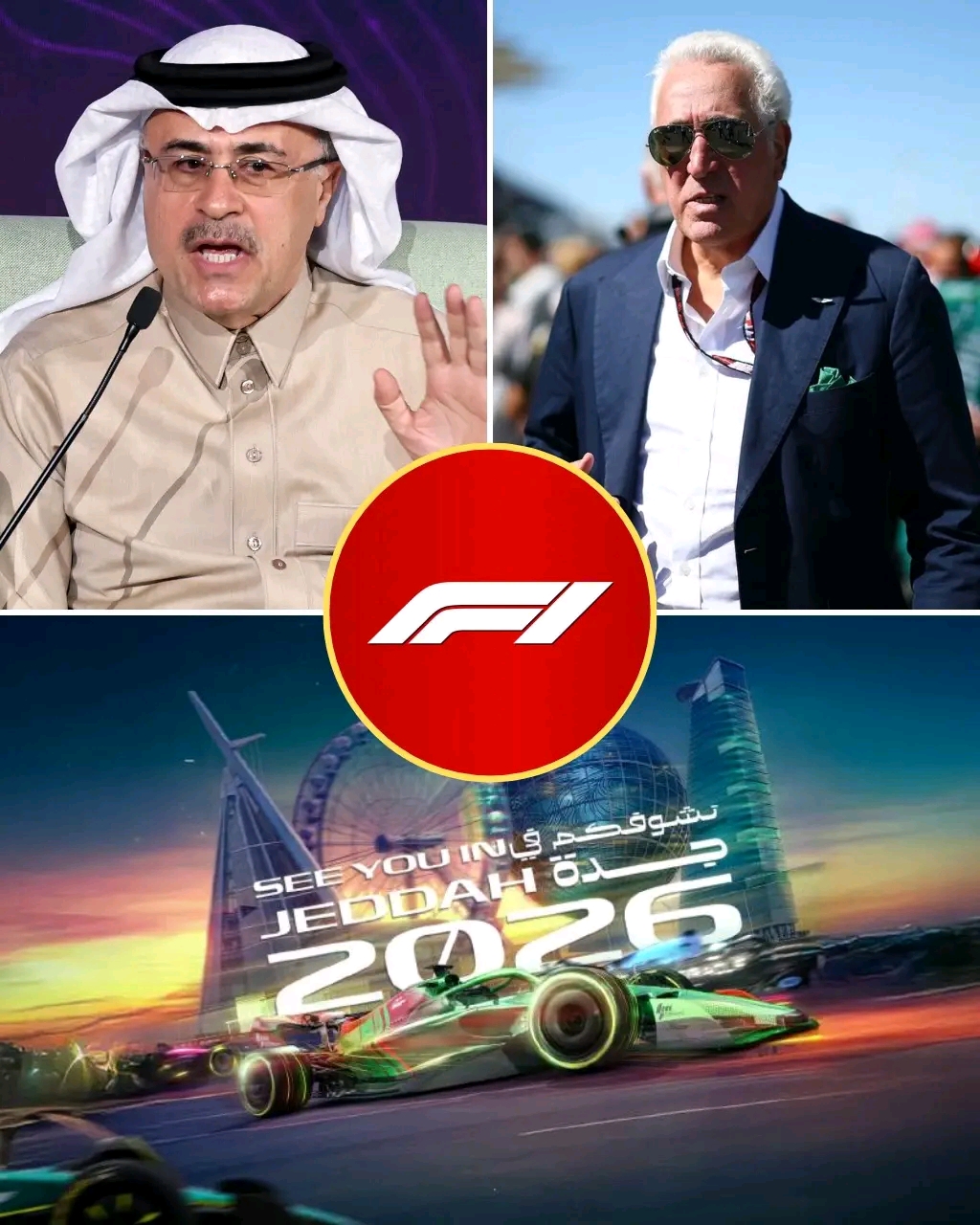
That place is Jeddah, home of the Saudi Arabian Grand Prix. And according to insiders, efforts to secure its return for 2026 are not just ongoing—they are relentless. Major stakeholders, including Aramco and the Aston Martin, are reportedly pushing with significant force to ensure the race finds its way back onto the schedule.
This is where the story becomes impossible to ignore. Because this isn’t just about passion for racing—it’s about influence. Financial power, global partnerships, and strategic importance are all playing a role in shaping the outcome. The push to bring Jeddah back has gone beyond traditional negotiations, evolving into a demonstration of how much certain stakeholders are willing to invest to keep their vision alive. In many ways, it highlights a reality that has been quietly growing within the sport—money isn’t just supporting Formula 1, it’s actively shaping it.
The message from those involved is clear: Jeddah is not seen as optional. It is viewed as essential, a centerpiece that reflects both national pride and long-term ambition. The determination to restore its place on the calendar shows just how far the effort is being taken. Resources are being mobilized, plans are being refined, and every possible angle is being explored to ensure that the race returns stronger than ever.
For observers, this raises a larger question about the direction of Formula 1. As new markets emerge and existing ones fight to remain relevant, the balance between sporting tradition and financial influence becomes more complex. Decisions are no longer based solely on history or fan sentiment—they are increasingly tied to global strategy and investment potential. And in that environment, races like Jeddah become more than events—they become statements of intent.
As the countdown toward the 2026 calendar continues, the spotlight remains firmly on Saudi Arabia. Will the pressure, investment, and determination be enough to secure the race’s return? Or will the final decision take a different direction? For now, one thing is certain—the fight for Jeddah has revealed just how powerful the forces behind Formula 1 have become, and how much is at stake when the future of a race hangs in the balance.
About the Author