🚨 F1 Reacts to NEW 2026 Regulations After Chaos
Drivers and teams are finally responding as the FIA unveils updated 2026 rules following weeks of confusion and controversy. The revised technical and sporting package was circulated to all competitors late Monday night after emergency meetings in Geneva. By Tuesday morning, the paddock was already split between relief and fresh frustration.
The updates come after a turbulent start to the new power unit era. The crash between Oliver Bearman and Franco Colapinto in China exposed how unpredictable energy cuts could create dangerous speed deltas. Charles Leclerc’s public criticism of the system only intensified pressure on the FIA to act before Miami. Teams were told the changes would be mandatory from May 1 onward.
Initial reaction from the drivers was cautiously positive. Lewis Hamilton said the new wording gives drivers back some control and that predictability is more important than peak performance. Lando Norris agreed, noting that he could finally trust the throttle pedal again after two races of guessing what the software would do. For many in the pit lane, that alone counted as progress.
Not everyone felt the same. Several midfield teams warned that the fix creates new problems. The updated rules mandate a minimum deployment floor during racing, but that floor consumes battery life earlier in the lap. Engineers at Alpine and Williams said the change will force more lifting and coasting, turning qualifying-style laps into fuel-saving runs by lap 15. Strategy groups are already rewriting their models.
This is the main point of the debate. The FIA has fixed the “fatal flaw” by introducing Article 5.4.11, the Power Continuity Clause. It forbids any drop below 60 percent of maximum electrical output while another car is within one second and both are above 280 km/h. In plain terms, the computer can no longer cut power mid-battle. The rule directly answers the Colapinto crash and Leclerc’s complaint, but it shifts the compromise from safety to energy management.
Mercedes and Red Bull were first to test the new maps in the simulator. Early data suggests lap time loss will be small, around one to two tenths, because the burst maps banned last week are now replaced by smoother, longer deployments. However, both teams flagged concerns about battery temperatures in hot races like Miami and Singapore. More constant output means more heat, and cooling was already marginal on the 2026 units.
Ferrari took a different view. Frederic Vasseur called the clause a win for common sense and said fans want to see drivers fight, not computers manage risk. Charles Leclerc told reporters he felt heard for the first time this season and that the car finally reacts the way his foot asks. Carlos Sainz added that the change will improve racing but expects at least three races of chaos while everyone adapts.
The FIA also tightened sporting penalties around the new clause. If telemetry shows a car violated the power floor and caused a dangerous delta, the team receives an automatic 10-second penalty plus a grid drop at the next round. The stewards no longer need to judge intent. The rule is black and white, which drivers asked for after inconsistent rulings in Japan.
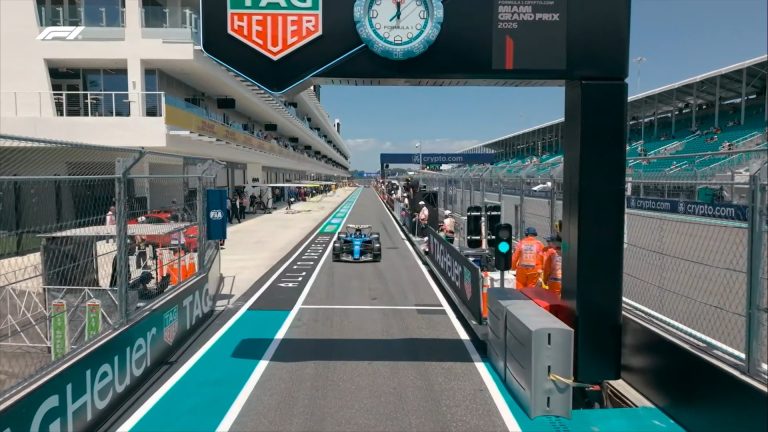
Away from the top teams, the mood is tense. Haas and Stake have warned that the software rewrite is expensive and that the FIA patch must be stable by Friday or they risk missing FP1 in Miami. Pirelli is running emergency sims to see if the constant deployment changes tire degradation on street circuits. Nobody wants a repeat of 2025 where the tires overheated after a mid-season aero change.
So have the FIA fixed the problem? They have fixed the safety issue that started this mess. The cars will no longer lose power without warning in the middle of a fight. But in solving that, they have created a new strategic puzzle and a fresh technical race. Relief for some, new concerns for others, and exactly the kind of controversy that keeps Formula 1 interesting.
About the Author