Breaking: South Korea F1 street race plan gains approval for potential 2026 return
There are moments in motorsport when a single decision quietly sets off a chain reaction—one that fans don’t immediately notice, but eventually grows into something impossible to ignore. It doesn’t start with engines or checkered flags. It begins with documents, discussions, and a vision that feels almost too ambitious to be real. And yet, these are often the very beginnings of the biggest stories in Formula 1.
For years, the sport has been expanding its reach, stepping into new territories and reimagining how racing fits into the modern world. Street circuits, in particular, have become symbols of that evolution—blending speed with city life, turning ordinary roads into extraordinary battlegrounds. But not every city gets the chance to host such a spectacle. It takes more than interest. It takes intent, planning, and a commitment that goes far beyond the surface.
Recently, whispers began to circulate—quiet at first, almost easy to dismiss. Talk of a new location, a new opportunity, a potential addition that could reshape the calendar once again. Nothing was confirmed, nothing was guaranteed, but the tone of those conversations carried a certain weight. The kind that suggests something real might be happening behind the scenes.
And then, a crucial step was taken.
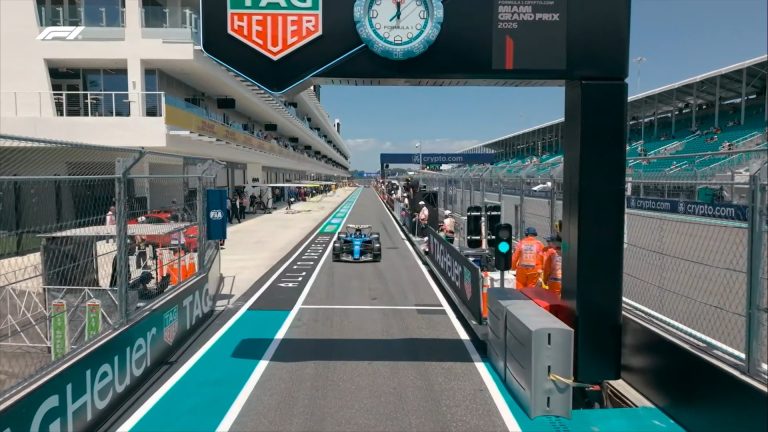
A city in South Korea has officially moved forward with a letter of intent to host a future Formula 1 street race. On its own, that might sound like just another administrative milestone. But in the world of Formula 1, it represents something far more significant. It’s the first real signal that a vision is beginning to take shape—a signal that plans are no longer just ideas, but possibilities moving toward reality.
This is where the intrigue deepens.
Because a street race isn’t just about laying asphalt and setting up barriers. It’s about transforming an entire city into a global stage. Infrastructure, logistics, fan experience—every detail must align perfectly. And when a city steps forward with that level of ambition, it raises an important question: what exactly are they planning to create?
While details remain limited, the approval of this initial step suggests that discussions have already progressed further than many expected. The timeline points toward 2026, but in Formula 1, timelines are rarely straightforward. There are layers of evaluation, negotiation, and refinement that must unfold before anything becomes official. And yet, this moment—this approval—marks a turning point. A shift from possibility to intention.
For fans, the idea of Formula 1 returning to South Korea carries a sense of curiosity and anticipation. The sport has visited the region before, but a street race would represent something entirely new. A different atmosphere. A different challenge. A different kind of spectacle. It’s not just about bringing racing back—it’s about redefining what that experience could look like.
And still, the biggest questions remain unanswered.
Which city is truly behind this move? What kind of circuit is being imagined? How will it compare to the iconic street races already on the calendar? These are the details that haven’t been fully revealed yet—and perhaps that’s what makes this story so compelling. It’s not complete. It’s still unfolding.
But one thing is certain.
A door has been opened.
And in Formula 1, once a door like this begins to move, it rarely closes quietly.
About the Author