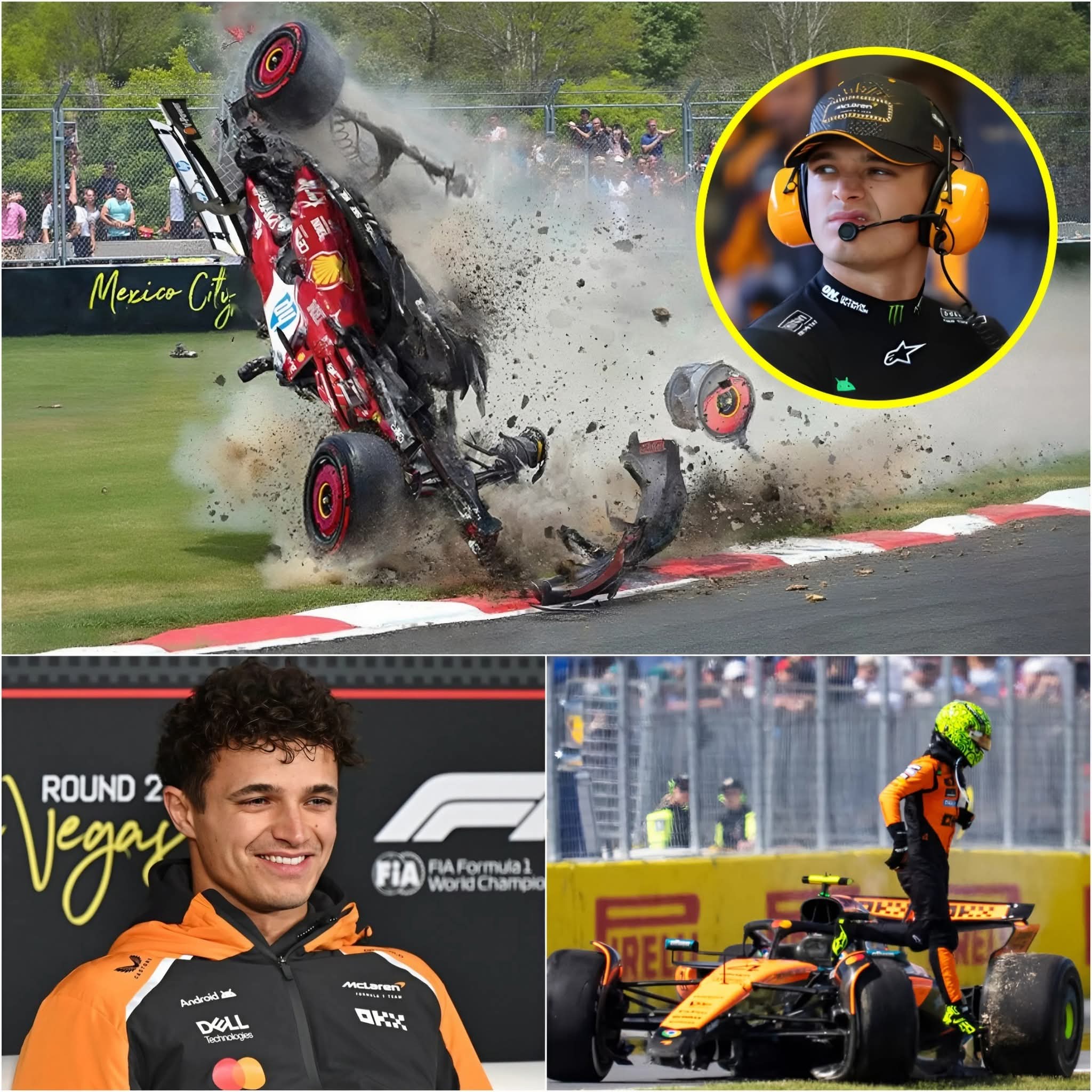
The Formula 1 paddock has been thrown into turmoil following explosive comments from Lando Norris, who warned that the upcoming 2026 regulations could lead to a serious accident. His blunt statement about the sport “waiting for a major crash” ignited widespread debate, drawing sharp reactions across the grid and placing the FIA under intense scrutiny.
At the heart of the controversy lies the radical overhaul set for 2026, featuring lighter cars, advanced hybrid systems, and complex active aerodynamics. Norris argued that the combination of reduced downforce and unpredictable energy deployment creates an unstable and potentially dangerous driving environment. According to him, the margin for error is shrinking rapidly, increasing the likelihood of catastrophic incidents at high speeds.
The reaction within Formula 1 has been deeply divided. Former team boss Guenther Steiner dismissed the concerns as exaggerated, insisting that drivers must adapt to evolving technical demands. He emphasized that every major regulation shift has historically faced criticism, suggesting that current fears stem more from uncertainty than genuine danger.
In contrast, seven-time world champion Lewis Hamilton took a different stance by supporting the FIA’s long-term vision. While acknowledging the challenges, Hamilton backed the move toward sustainability and innovation, even if it means short-term discomfort for drivers. His position has created a noticeable divide between experienced figures and younger competitors.
Beyond the political clash, deeper concerns remain about the heavy reliance on automated systems and the physical toll on drivers. Active aerodynamics and increased cockpit complexity demand constant attention, raising fears of fatigue and reduced focus during races. As pressure mounts, the FIA may be forced to revisit aspects of the regulations, with the sport’s safety, credibility, and global reputation hanging in the balance.
About the Author