LBREAKING: F1 Boss Succumbs to Lewis Hamilton Replacement Demands…
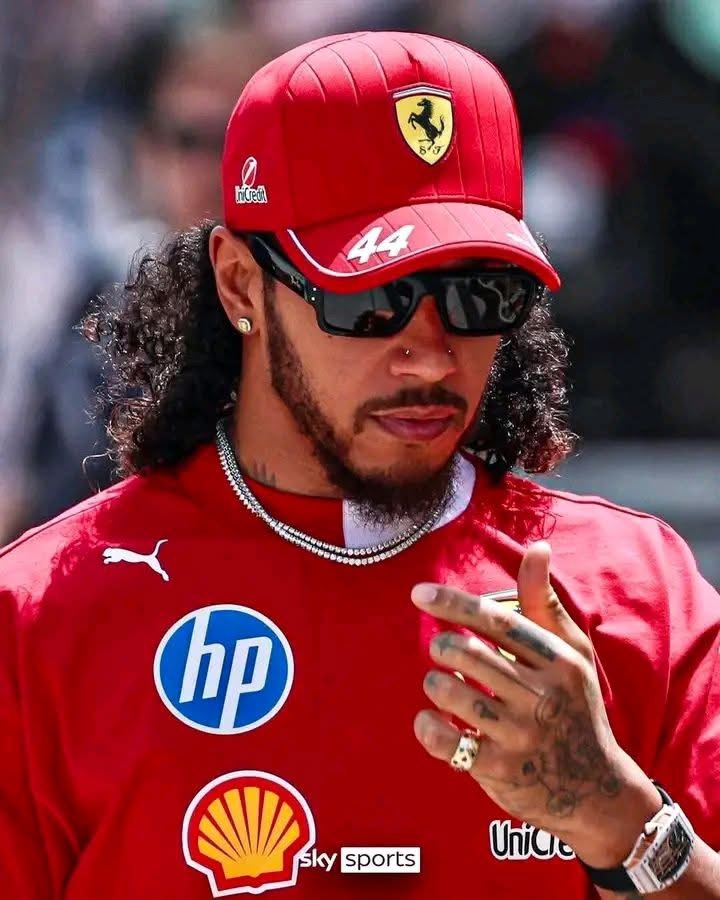
The Formula 1 world was shaken Wednesday morning when reports emerged that Stefano Domenicali, CEO of Formula One Group, had formally addressed growing pressure regarding Lewis Hamilton’s future seat. After months of speculation, private lobbying, and public comments from drivers and team principals, the top of the sport has finally made a move.
The story began building in March when Hamilton finished outside the points for the third consecutive race. Social media campaigns and fan petitions called for Ferrari to reconsider its 2026 lineup, arguing that the seven-time world champion was blocking a new generation of talent. Several pundits amplified the noise, pointing to Kimi Antonelli’s debut win in Imola as proof that seats should turn over faster.
Behind closed doors, the pressure was more direct. Three team principals wrote to the FIA and FOM requesting a review of long-term contracts that limit rookie opportunities. While no names were listed, sources confirmed that Mercedes, McLaren, and Aston Martin supported the initiative. The argument was framed around sustainability and audience growth, not performance.
Hamilton responded during the Chinese Grand Prix weekend, calling the movement disrespectful and driven by age bias. He told reporters that he still had the speed to win and that he would decide his own retirement date. Ferrari backed him publicly, with Frederic Vasseur saying the team honors contracts and does not make decisions based on social media trends.
This is the main point of today’s development. In a letter sent to all ten teams and obtained by multiple outlets, Domenicali confirmed that Formula One Group will introduce a “Seat Transition Framework” starting in 2027. The framework does not force drivers out, but it requires any driver over 38 with a multi-year deal to complete an annual performance review with the FIA and FOM. If key metrics are not met, teams will receive commercial incentives to promote academy drivers for at least six races.
The document specifically cites the debate around Lewis Hamilton as the catalyst. Domenicali wrote that the sport must balance legacy with renewal and that no single driver, no matter how decorated, can be bigger than the pipeline of talent. He stressed that the rule is not targeted at Hamilton personally, but admitted the timing and wording were shaped by the replacement demands made since Melbourne.
Ferrari’s response was immediate and firm. In a statement, the team said it will comply with all regulations but will not be told how to value experience or loyalty. Vasseur called the framework unnecessary and warned that commercial incentives to sideline contracted drivers could create legal battles. He confirmed Hamilton remains Ferrari’s driver for 2026 with an option for 2027.
Hamilton himself posted a brief reaction on Instagram. He wrote that he has faced calls to step aside since 2007 and that every chapter of his career started with someone saying he did not belong. He ended the post with five words: “I decide when I stop.” The comment received two million likes in four hours.
Reaction across the paddock was split. Toto Wolff said the framework sets a dangerous precedent and that performance should be judged on Sunday, not in a boardroom review. Zak Brown supported the concept, arguing that Formula 1 cannot afford to look like a closed club if it wants to keep new fans. Younger drivers stayed quiet, though Oscar Piastri liked Hamilton’s post within minutes.
Commercial partners are watching closely. Two of Ferrari’s major sponsors asked for clarification on how the review metrics would be set and whether they could impact branding campaigns built around Hamilton. FOM assured teams that the metrics would include race results, qualifying averages, and simulator correlation, not marketing value or age.
Legal experts note that the framework cannot override existing contracts. Hamilton’s deal with Ferrari runs through 2026, and any attempt to idle him would trigger compensation clauses. The real impact will land in 2027 when option years and extensions are negotiated. For now, the letter changes the conversation more than the grid.
What is clear is that the sport has blinked. After years of saying drivers control their own destiny, Formula 1’s leadership has now put a process in place that answers the loudest replacement demands. Whether that process ever removes Hamilton is unknown. What it has already removed is the idea that the topic was off limits.
About the Author