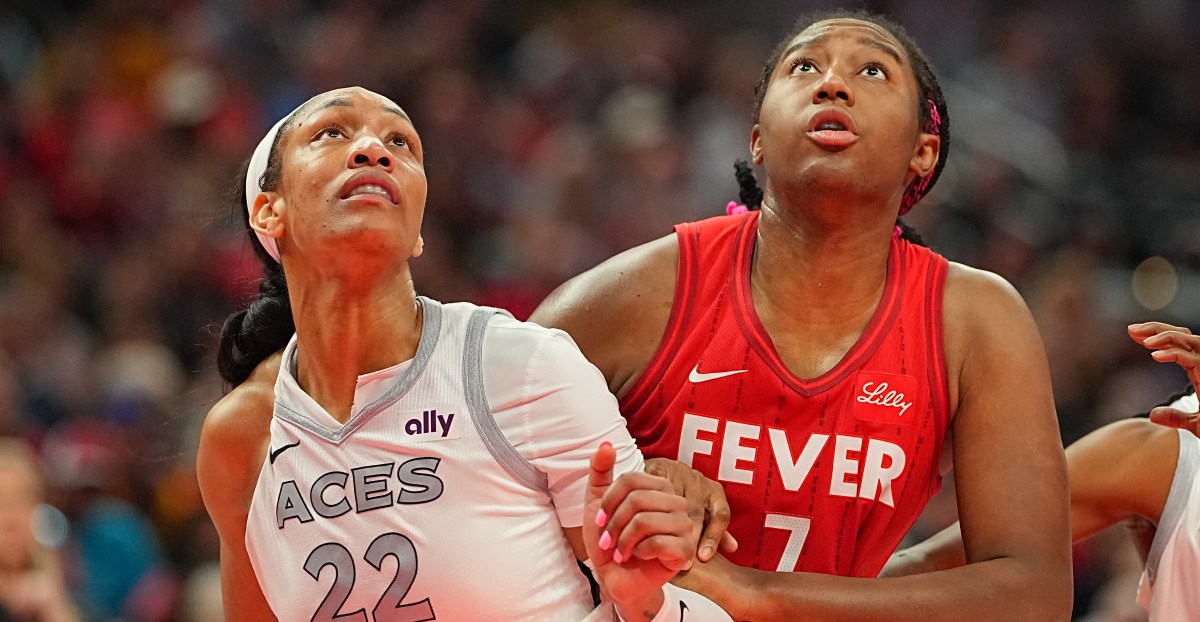
The number hits first. Not the years. Not the structure. Just the weight of it — $6.3 million — and suddenly the room feels different.
 Because Aliyah Boston doesn’t just sign a contract. She shifts the ceiling. Quietly. Clinically. Four years that say more about the future of the WNBA than any speech ever could.
Indiana doesn’t hesitate. They lock in their cornerstone. Not just for production, but for presence. Boston isn’t a piece — she’s the axis. Everything now spins around her.
And here’s where it twists. A’ja Wilson just reset the market days ago. Bigger annual salary. Sharper yearly punch. The kind of deal that usually holds the crown for a while.
It doesn’t. Not this time.
Because Boston plays the long game. Total value over flash. Security over spike. Four years, $6.3 million — it stretches further, lands heavier, and takes the title Wilson just claimed.
This is the strike: the WNBA isn’t waiting anymore. The new CBA isn’t a slow build — it’s an acceleration. Cap-linked salaries. Rising revenues. Teams betting big, early, and unapologetically on young superstars.
Boston becomes the proof. Not just of value — of timing. She enters the league at the exact moment it decides to pay its future like it matters now.
So the image sticks — not of a signature, but of a line moving. Fast. And for the first time in a long time, the league isn’t catching up to its stars.
It’s starting to pay them like it should.
About the Author