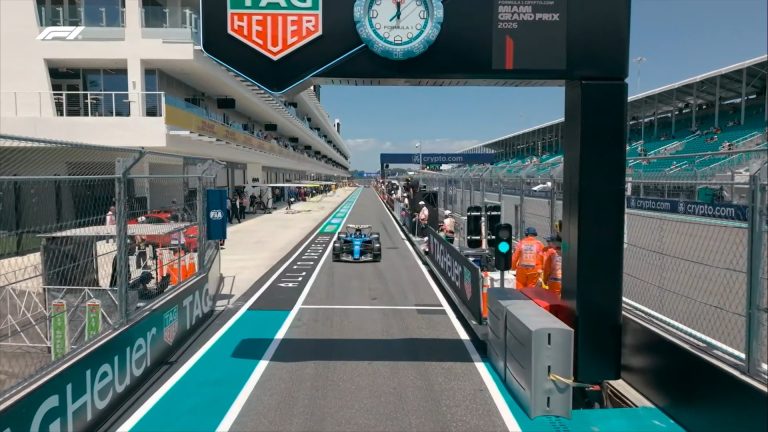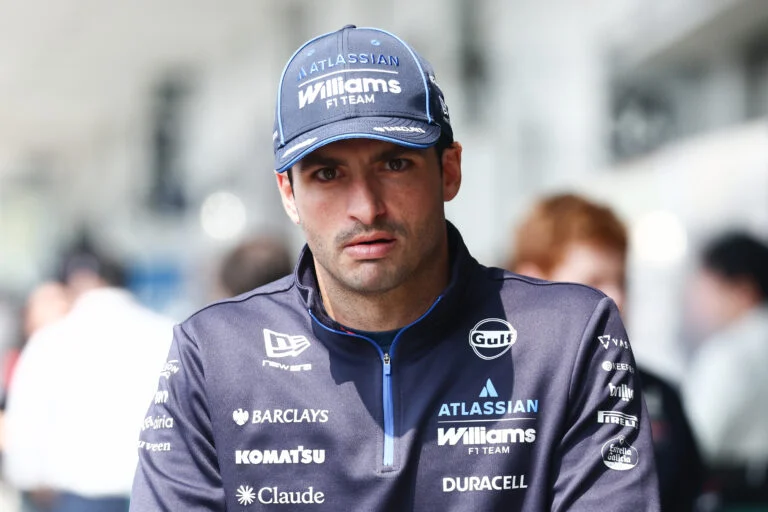
Former Haas team principal Guenther Steiner has sparked fresh debate in the Formula 1 paddock after publicly advising Carlos Sainz Jr. to consider leaving Williams Racing following a difficult start to the 2026 season. Known for his blunt and unfiltered opinions, Steiner did not hold back as he assessed Sainz’s current situation, suggesting that the Spanish driver may be wasting valuable years of his prime in a team struggling to compete at the front.
 Sainz’s move to Williams had initially been seen as a bold and strategic decision. After departing from Scuderia Ferrari, many believed he would take on a leadership role and help guide Williams back to competitiveness. However, the early races of the 2026 season have exposed significant performance gaps, with the team consistently lagging behind the frontrunners.
Steiner pointed out that while Williams has made progress in recent years, the current pace of development may not align with Sainz’s ambitions. In modern Formula 1, where margins are incredibly tight, drivers often have limited windows to fight for wins and championships. According to Steiner, staying too long in a midfield project could ultimately hinder Sainz’s legacy.
The Italian also emphasized that Sainz has already proven himself as a capable race winner and a reliable performer under pressure. During his time with Ferrari and previously with teams like McLaren F1 Team, Sainz demonstrated consistency, technical feedback, and the ability to extract strong results even in challenging conditions. These qualities, Steiner argued, should make him an attractive option for top-tier teams.
Despite the criticism, it is important to note that Williams is undergoing a long-term rebuild. The team has invested heavily in infrastructure, personnel, and technical development, aiming to re-establish itself as a competitive force. Sainz’s experience is seen internally as a crucial asset in that journey, and his presence could accelerate progress over time.
However, Formula 1 is as much about timing as it is about talent. Steiner warned that waiting for a project to come together can be a risky gamble, especially when opportunities with leading teams are rare and highly competitive. With driver markets constantly evolving, a chance to join a front-running outfit may not always be available.
There is also the psychological aspect to consider. A string of underwhelming results can take a toll on even the most resilient drivers. For someone like Sainz, who has tasted victory and podium success, adapting to a slower car and limited opportunities for glory can be frustrating. Steiner believes that a move back to a competitive team could reignite his momentum and confidence.
At the same time, loyalty and long-term vision remain key factors. Sainz has often spoken about building something meaningful rather than chasing short-term gains. If Williams manages to deliver on its promises, staying with the team could eventually pay off in a big way. The challenge lies in balancing patience with career progression.
The broader Formula 1 landscape will ultimately play a decisive role in Sainz’s future. Teams at the top are constantly evaluating their driver lineups, and any shifts could open doors. Whether it’s a seat becoming available due to retirement, contract changes, or performance issues, Sainz must be ready to act when the opportunity arises.
For now, Steiner’s comments have added another layer of intrigue to the 2026 season. While some view his advice as pragmatic and realistic, others see it as premature, given the early stage of Williams’ project. What remains clear is that Sainz’s next career move will be critical in shaping how he is remembered in the sport.
As the season progresses, all eyes will be on both Sainz and Williams. Whether he chooses to stay and fight through the challenges or seek a return to the front of the grid, his decision will undoubtedly be one of the most closely watched storylines in Formula 1.
About the Author