Breaking: Caitlin Clark spotlight debate grows after WNBA schedule sparks fan reactions
There’s a certain kind of tension that builds quietly before it finally spills into the open. It doesn’t start with outrage or loud headlines, but with small observations—fans noticing patterns, questioning decisions, and trying to make sense of shifts that don’t feel entirely accidental. In sports, especially one growing as rapidly as women’s basketball, those moments tend to carry more weight than they first appear.
The release of a national television schedule might seem routine on the surface. It’s part of the business, a necessary step in showcasing the league to a wider audience. But sometimes, the way those schedules are structured can tell a deeper story—one about priorities, narratives, and the direction a league is choosing to take as it evolves.
That’s exactly where the current conversation begins to take shape. The spotlight, once clearly focused on one rising superstar, now appears to be spreading across a broader landscape. Whether that’s a natural progression or a deliberate decision is where opinions start to diverge—and where the debate truly gains momentum.
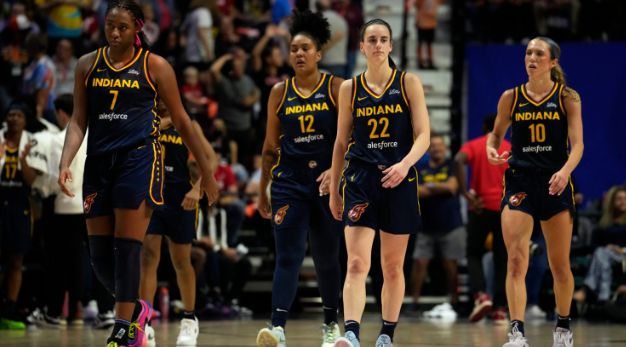
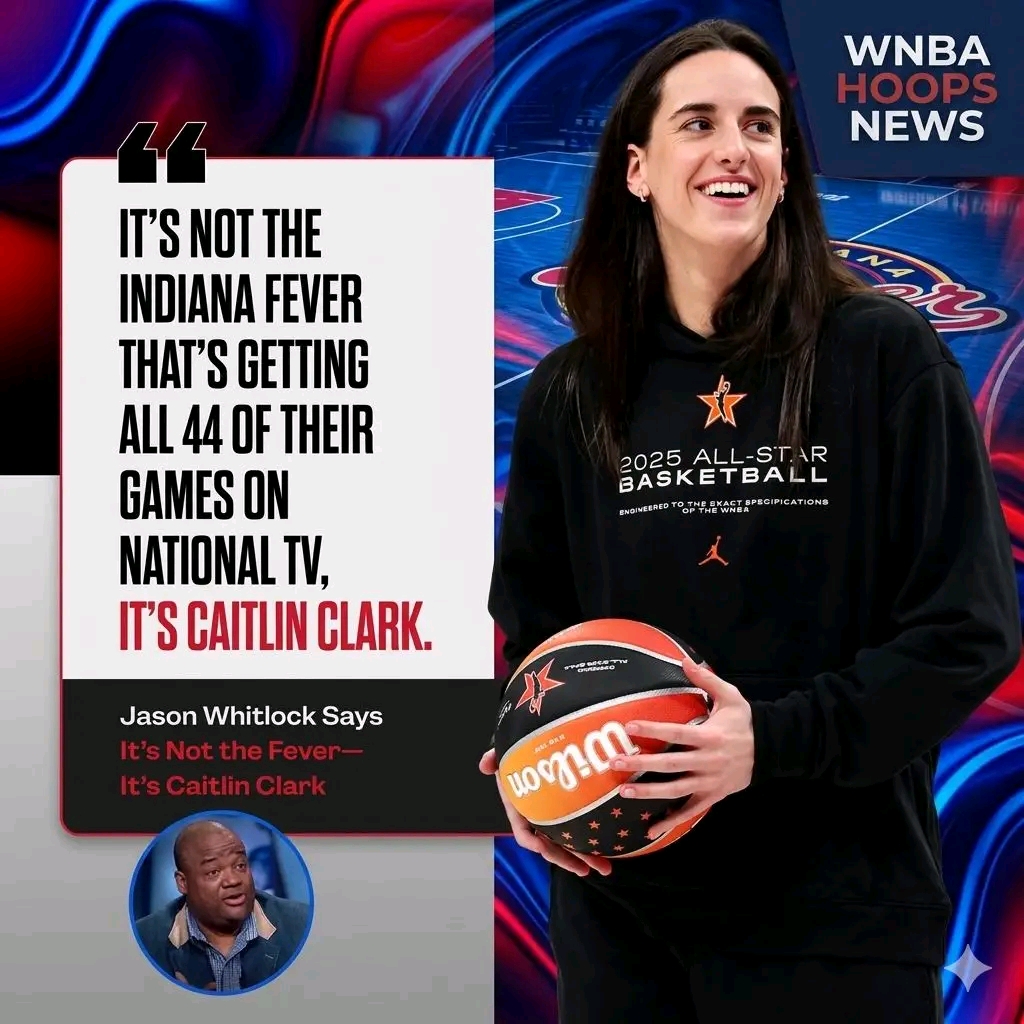
At the center of it all is Caitlin Clark, whose impact on the WNBA has been nothing short of transformative. Her arrival brought unprecedented attention, record-breaking viewership, and a surge of new fans eager to follow her journey. For many, she became the face of a new era almost overnight.
But as the latest broadcast schedule was unveiled, some began to question whether that spotlight is being handled differently now. Among the voices fueling the discussion is Jason Whitlock, who suggested that both the Indiana Fever and the league itself may be redistributing attention in a way that shifts focus away from Clark’s individual presence.
That’s where the conversation sharpens.
Supporters of this viewpoint argue that Clark’s influence has been a driving force behind the league’s recent surge in popularity, and reducing her visibility—especially on major national broadcasts—could risk slowing that momentum. They see her as a once-in-a-generation talent whose story naturally draws eyes, and they question why that narrative wouldn’t remain front and center.
On the other side, there’s a different perspective taking shape. Many believe this shift isn’t about taking anything away from Clark, but rather about elevating the league as a whole. By distributing attention more evenly, the WNBA can showcase its depth—highlighting other stars, rivalries, and storylines that contribute to long-term growth beyond any single player.
And that’s the real tension at the heart of the debate.
Is this a strategic move to build a more balanced and sustainable league? Or does it risk diluting the very momentum that helped spark this new wave of interest? The answer isn’t simple, and that’s why the discussion continues to intensify across social media, sports shows, and fan communities.
What makes this moment particularly compelling is how quickly the narrative has evolved. Just a short time ago, the focus was on what Clark could bring to the league. Now, the conversation has shifted toward how the league manages that impact—and whether sharing the spotlight enhances or complicates that growth.
For Clark herself, the situation adds another layer to an already high-pressure environment. Expectations remain sky-high, and every decision surrounding her visibility is now being analyzed through a much broader lens. It’s no longer just about performance on the court—it’s about presence, perception, and the role she plays in shaping the league’s identity.
As the season approaches and games begin to unfold, one thing is certain: this debate isn’t going away anytime soon. Each broadcast, each matchup, and each standout performance will add fuel to the conversation, either reinforcing concerns or reshaping the narrative entirely.
In the end, the question still lingers—quietly but persistently.
Is the spotlight being shared in a way that strengthens the game… or is it slowly shifting away from the very player who helped bring it into focus?
About the Author