The aftermath of the heated La Liga encounter between FC Barcelona and Celta Vigo has been dominated not by the scoreline, but by a storm of controversy surrounding a key VAR decision. The match, already intense due to both teams’ ambitions, took a dramatic turn when a contentious incident in the penalty area sparked outrage among players, coaches, and fans alike. What followed was a wave of criticism that forced Spain’s refereeing authorities to step in and clarify their stance.
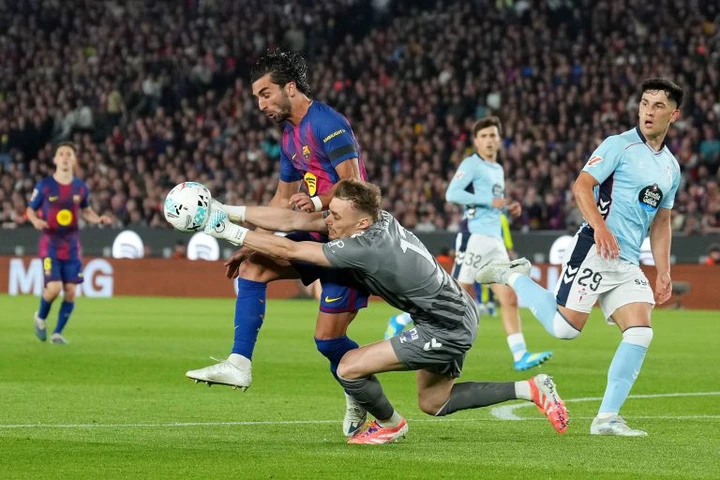
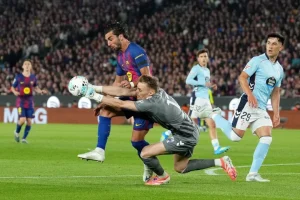 At the center of the debate was a moment in the second half when Barcelona players appealed for a penalty after what appeared to be a clear foul inside the box. The referee initially waved play on, prompting VAR officials to review the incident. Despite multiple replays suggesting possible contact, the decision stood, leaving Barcelona visibly frustrated and igniting debates across social media and sports analysis platforms.
In response to the growing uproar, the Referees Technical Committee released an official statement addressing the incident. According to the committee, the VAR team conducted a thorough review and determined that the level of contact did not meet the threshold required to overturn the on-field decision. They emphasized that VAR is designed to correct “clear and obvious errors,” not to re-referee subjective calls.
The statement, however, did little to calm tensions. Barcelona’s coaching staff and players reportedly felt aggrieved, arguing that consistency in officiating has been lacking throughout the season. Several pundits echoed these concerns, pointing out similar incidents in previous matches where penalties were awarded under comparable circumstances. This inconsistency has fueled a broader discussion about the reliability and transparency of VAR in Spanish football.
On the other side, Celta Vigo maintained that the referee’s decision was correct and that the integrity of the game must be respected. Their manager praised the officiating team for standing firm under pressure, suggesting that not every physical challenge should result in a penalty. From their perspective, the controversy has overshadowed what was otherwise a hard-fought and tactically engaging performance.
The incident has once again placed VAR under the microscope in La Liga. Introduced to reduce human error, the system continues to divide opinion. While some argue that it has improved fairness, others believe it has introduced new layers of confusion, particularly when decisions hinge on subjective interpretations rather than clear-cut evidence.
Former referees and analysts have also weighed in, offering mixed opinions. Some supported the committee’s explanation, stressing that slow-motion replays can exaggerate contact and mislead viewers. Others argued that the technology should be used more assertively to ensure justice, especially in high-stakes matches involving top clubs like Barcelona.
For Barcelona, the result—and the controversy—could have significant implications in the title race. Dropped points in such contentious circumstances often leave a lasting psychological impact, especially when players feel decisions have gone against them. The club is expected to seek further clarification from league officials, although formal appeals against VAR decisions are rarely successful.
Meanwhile, the debate has reignited calls for greater transparency in VAR communications. Many fans and analysts believe that releasing audio conversations between referees and VAR officials could help demystify decisions and build trust among supporters. Similar practices in other leagues have been praised for improving understanding of officiating processes.
As the dust begins to settle, one thing is certain: the Barcelona vs Celta Vigo clash will be remembered as much for its controversy as for its football. The Referees Technical Committee may have provided an official explanation, but the broader conversation about VAR’s role in modern football is far from over.
About the Author