As the tennis world turns its attention to the clay courts of Roland Garros, a respected coach has delivered a powerful and potentially game-changing piece of advice that could shape the fortunes of some of the sport’s biggest names. From rising stars to established contenders, players like Emma Raducanu and Alexander Zverev are being urged to rethink key aspects of their game as they prepare for one of the most demanding Grand Slams on the calendar.
 Clay court tennis presents a unique challenge, often exposing technical weaknesses and testing a player’s patience, endurance, and tactical intelligence. Unlike faster surfaces, rallies tend to be longer, movement becomes more physically taxing, and point construction is critical. According to the coach, the tip that could make all the difference is deceptively simple: embrace adaptability over power.
For players like Raducanu, whose game has traditionally thrived on aggressive baseline hitting, the transition to clay requires a shift in mindset. The coach emphasized that forcing winners too early can be a costly mistake on slower courts. Instead, players should focus on constructing points carefully, using spin and angles to open up the court before going for decisive shots.
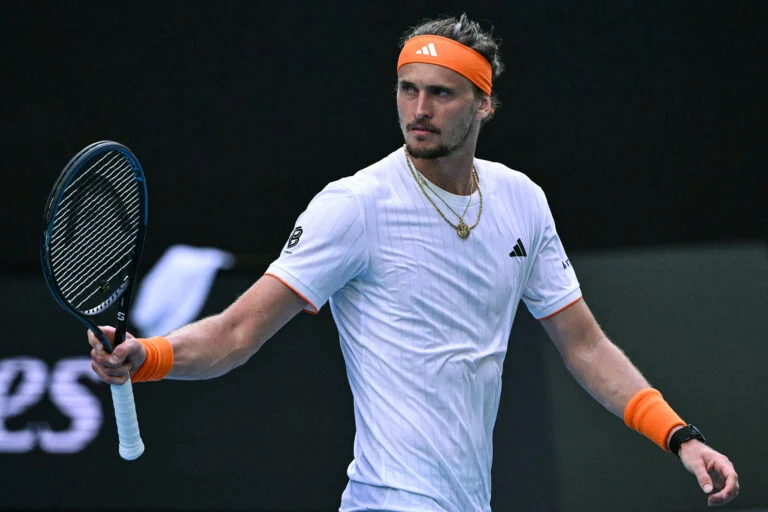
Zverev, on the other hand, already possesses a strong clay-court pedigree, having reached deep stages in past tournaments. However, even for him, the advice holds weight. The coach suggested that Zverev could elevate his performance further by improving his net play and shortening points when opportunities arise. On clay, where baseline exchanges can become grueling, finishing points efficiently can conserve valuable energy over the course of a match.
Another key aspect highlighted was movement. Sliding effectively on clay is not just a stylistic feature—it’s a necessity. The coach noted that players who master their footwork gain a significant advantage, allowing them to retrieve difficult balls and maintain balance during long rallies. This is an area where both Raducanu and Zverev can still refine their skills.
Mental resilience also came into focus. Clay matches often involve momentum swings, with breaks of serve being more common than on other surfaces. The coach stressed the importance of staying composed and not becoming frustrated by lost points or extended rallies. Players who can remain mentally steady are far more likely to capitalize on opportunities as matches unfold.
The importance of variety in shot selection was another central theme. Drop shots, heavy topspin forehands, and well-placed lobs become essential tools on clay. The coach encouraged players to diversify their game rather than relying solely on power. This tactical flexibility can disrupt opponents’ rhythm and create openings that might not otherwise exist.
Fitness, unsurprisingly, plays a crucial role as well. The physical demands of clay-court tennis are immense, often pushing players to their limits. The coach advised that endurance training should be a priority in the lead-up to Roland Garros, as even the most technically gifted players can falter if they lack the stamina to endure long matches.
For Raducanu, who has faced injury setbacks in recent seasons, this advice is particularly relevant. Managing her physical condition while adapting her playing style could be key to making a deep run in Paris. Meanwhile, Zverev’s challenge lies in maintaining consistency and avoiding lapses in concentration during critical moments.
As the countdown to Roland Garros continues, this game-changing tip serves as a reminder that success on clay is not just about talent—it’s about strategy, discipline, and adaptability. Whether it’s Raducanu seeking to rediscover her best form or Zverev aiming to finally capture a Grand Slam title, the ability to adjust and evolve could ultimately define their campaigns on the iconic Parisian courts.
About the Author