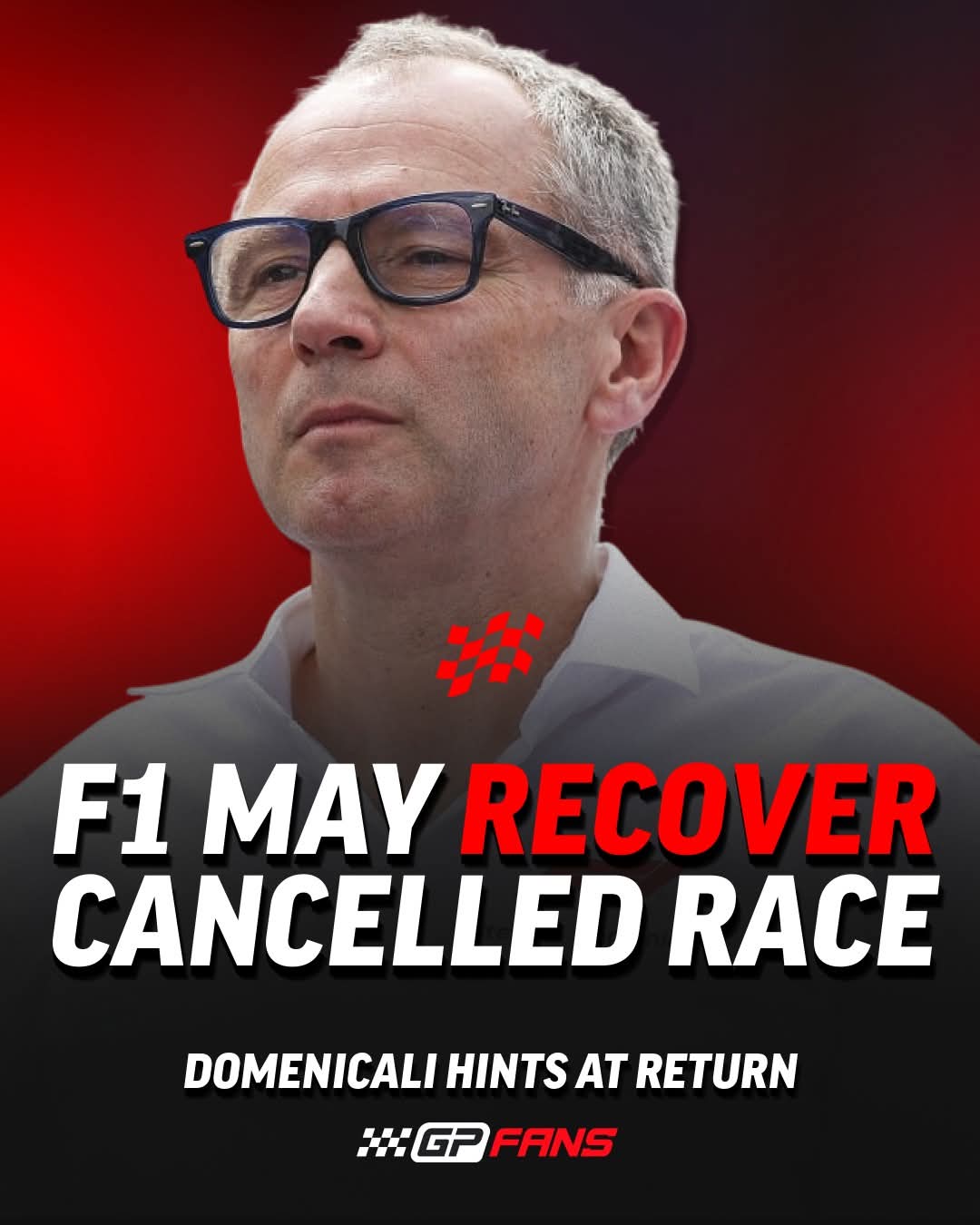
Formula 1 could be heading toward another major controversy after CEO Stefano Domenicali revealed that a previously cancelled race may still be reinstated later in the 2026 season. What initially appeared to be a settled calendar following disruptions in the Middle East is now back under review, raising fresh concerns among teams and reigniting debate over the sport’s already demanding schedule.
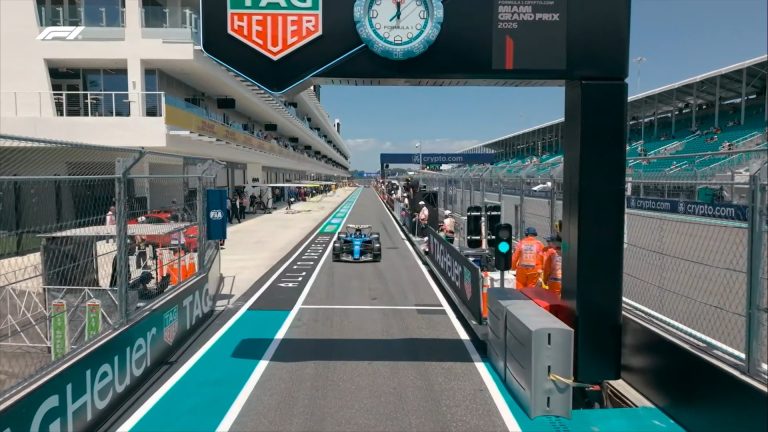
Earlier this season, both the Bahrain Grand Prix and Saudi Arabian Grand Prix were called off due to escalating tensions linked to the Iran war. That decision reduced the championship from a planned 24-race calendar to 22 races, creating an unusual five-week gap between the Japanese Grand Prix and the Miami Grand Prix. At the time, the move was widely accepted as necessary, prioritizing safety and stability over sporting continuity.
However, Domenicali’s latest comments suggest the situation may not be as final as it seemed. While acknowledging the complexity of rescheduling multiple events, he hinted that recovering at least one race remains a possibility. This creates a delicate balance between maintaining a competitive calendar and avoiding excessive strain on teams, logistics, and personnel already operating at full capacity.
From a practical standpoint, reintroducing a race is far from straightforward. Rising fuel costs and increasingly complex global logistics present significant barriers, especially in a season already packed with back-to-back race weekends. Any late addition would likely be pushed toward the final stretch of the calendar, potentially clashing with established fixtures like the Qatar Grand Prix and Abu Dhabi Grand Prix, which traditionally close out the season. This raises concerns about scheduling congestion and operational feasibility.
Unsurprisingly, the possibility of reinstating a cancelled race has not been welcomed by everyone. Reports indicate that leading teams, including Mercedes-AMG Petronas Formula One Team, have already expressed resistance. Their concerns revolve around the physical and logistical demands of squeezing another race into an already intense calendar, as well as the broader implications for team performance, travel fatigue, and resource allocation.
Beyond logistics, there’s also a competitive dimension to consider. Reintroducing a race late in the season could significantly alter the championship battle, especially if it takes place on a circuit with unique characteristics. Teams that have optimized their cars for existing tracks may suddenly face unexpected challenges, while others could gain a strategic advantage. In a tightly contested championship, even one additional race can shift momentum dramatically.
Looking ahead, the situation remains uncertain but highly consequential. If Formula 1 proceeds with reinstating a race, it risks backlash from teams and further criticism over calendar expansion. On the other hand, abandoning the idea entirely may disappoint promoters and stakeholders eager to host an event. Ultimately, this decision will test the sport’s ability to balance commercial ambitions with operational reality.
As it stands, Domenicali’s comments have opened the door to a scenario that could reshape the 2026 season. Whether Formula 1 chooses to walk through that door—or shut it amid growing resistance—could define not just this year’s championship, but the future direction of the sport itself.
About the Author