The Partnership that Can Transform Indiana Fever Season
There are moments in sports that feel unresolved—snapshots of tension that seem destined to remain frozen in time. A hard foul, a stare-down, a heated exchange that lingers in the minds of fans long after the final whistle. These moments often define rivalries, drawing clear lines between competitors. But every so often, something unexpected happens. The same intensity that once fueled conflict begins to hint at something else entirely—something far more powerful if redirected the right way.
That’s exactly the kind of transformation now unfolding within the Indiana Fever. What once appeared to be a simple clash of personalities is now being reexamined through a completely different lens. The narrative is shifting, slowly but surely, from confrontation to collaboration. And as that shift gains momentum, it’s becoming harder to ignore the possibility that this story was never about division—it was about potential waiting to be unlocked.
In a league where chemistry often determines success, the idea of former on-court tension turning into mutual trust might seem unlikely at first. But history has shown that some of the most effective partnerships are built on intensity. Not the quiet, effortless kind—but the loud, competitive fire that refuses to settle for anything less than excellence. That kind of edge doesn’t disappear. It evolves. And when it does, it can become something far more dangerous than anyone initially expected.
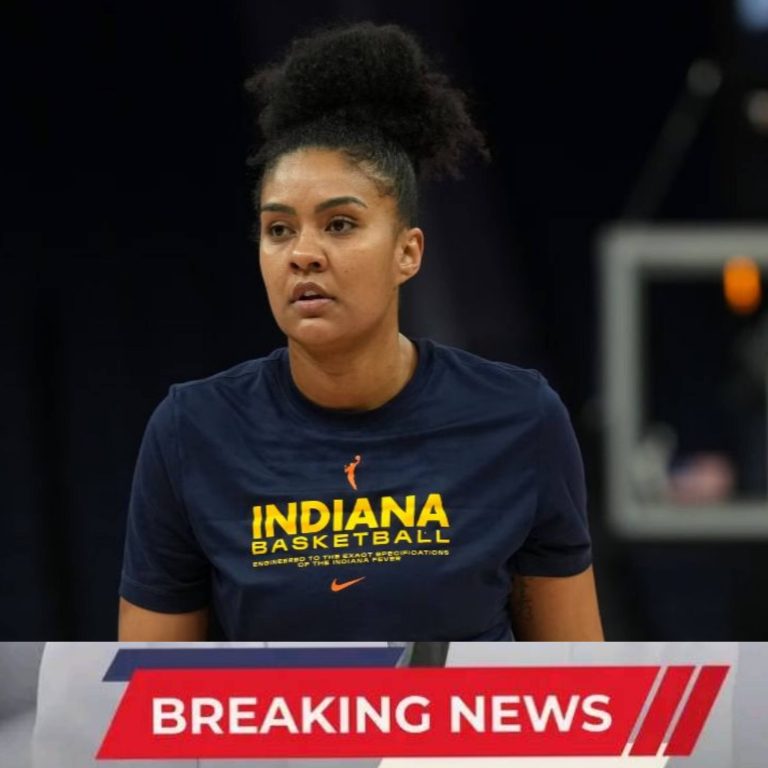
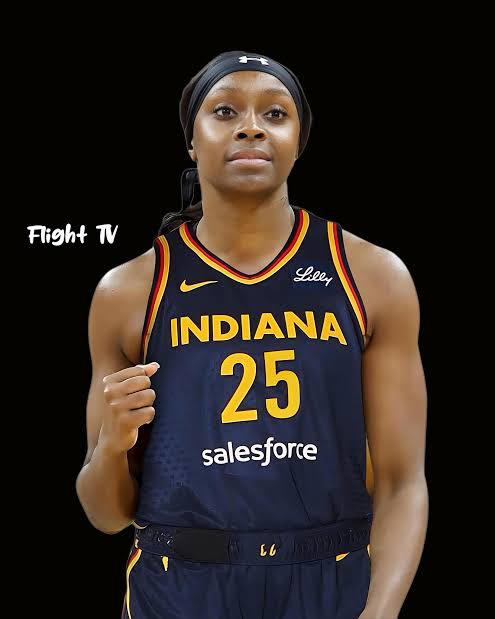
At the heart of this evolving storyline are Sophie Cunningham and Myisha Hines-Allen—two players whose previous on-court encounter once symbolized pure rivalry. It was the kind of moment that sparks headlines, fuels debates, and cements a perception. No one watching at the time would have predicted that these two would eventually share the same locker room, let alone work toward a common goal. And yet, here they are.
This is where everything changes.
What once looked like conflict is now being reinterpreted as compatibility. Both Cunningham and Hines-Allen bring a level of toughness that cannot be taught. It’s instinctive. It shows up in physical play, in defensive grit, in the refusal to back down from any challenge. Individually, that mindset is valuable. Together, it becomes something else entirely—a foundation for a new identity, one that the Fever have been searching for.
And that identity revolves around protection, presence, and purpose.
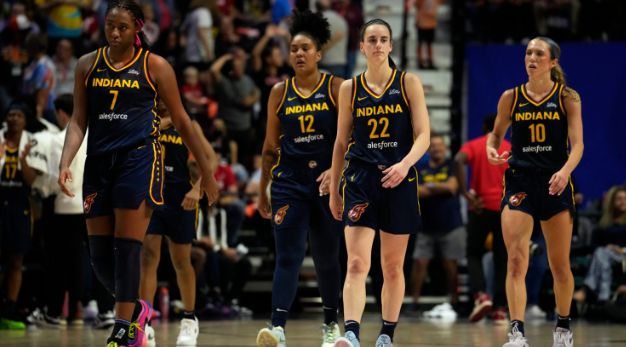
With Caitlin Clark emerging as the centerpiece of the team, the need for strong, assertive teammates has never been more apparent. Clark’s offensive brilliance draws attention—sometimes the kind that pushes the limits of physicality. That’s where Cunningham and Hines-Allen come in. Their role isn’t just about performance; it’s about presence. About setting a tone. About making it clear that this team is no longer easy to push around.
Suddenly, what seemed like an unlikely pairing starts to make perfect sense.
The Fever aren’t just adding talent—they’re adding attitude. A mindset that blends competitiveness with cohesion, turning past friction into future strength. It’s not about erasing what happened before; it’s about using it. Channeling that same energy into something constructive, something that elevates the entire team rather than dividing it.
And that’s why this partnership feels different.
It’s not built on convenience or circumstance. It’s built on transformation. On the idea that the very qualities that once caused conflict can now drive success. If this chemistry clicks the way many believe it can, the Fever won’t just improve—they’ll evolve into a team with a clear edge, a defined personality, and a level of resilience that’s hard to replicate.
The real story here isn’t just about two players learning to coexist.
It’s about two competitors realizing that together, they might be exactly what this team needs to change everything.
About the Author