The 2025 Formula One season ignited a fierce debate over the legitimacy of Lando Norris’ title run, dividing fans who insist the championship felt engineered rather than earned. Critics argued that the sport’s commercial priorities have increasingly overshadowed pure competition, shaping narratives that favor marketable personalities over raw merit. In that climate, the controversy surrounding Norris’ breakthrough only intensified, especially after several officiating calls and media reactions appeared conspicuously one-sided.
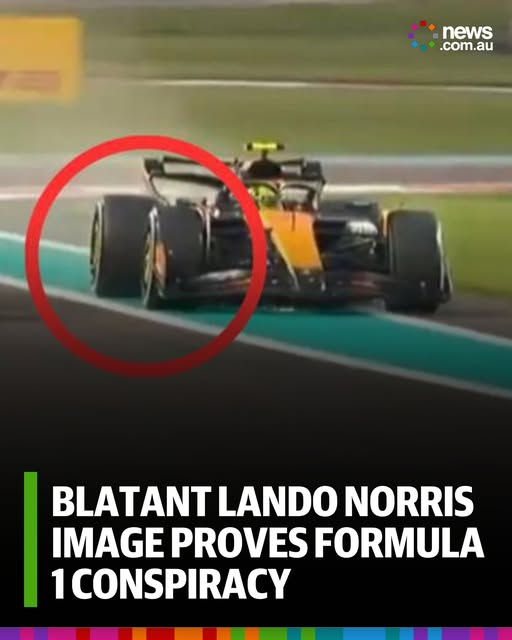
Norris, despite undeniable skill, has long been criticized for faltering under pressure. Yet his popularity—bolstered by a dominant British media ecosystem and immense online visibility—helped elevate him into F1’s most aggressively promoted figure. His contentious overtake on Yuki Tsunoda, a move clearly outside track limits, amplified suspicions when stewards declined to issue a penalty. It became a symbolic moment for fans who already believed the sport had abandoned impartiality in favor of storyline-driven entertainment.
Oscar Piastri, meanwhile, embodied the opposite archetype: calm, disciplined, and uninterested in theatrics. Guided by Mark Webber, he navigated the spotlight with surgical precision, earning widespread respect from former champions who saw championship potential etched in his composure. Yet his understated demeanor failed to satisfy F1’s modern appetite for spectacle, diminishing his visibility despite consistent excellence. Even as he built a decisive points lead early in the season, his team never fully embraced him as their premier contender.
McLaren’s internal dynamics only added fuel to the fire. Repeated strategic choices and team orders appeared to tilt in Norris’ favor, even when Piastri was leading the championship. CEO Zak Brown’s insistence on equal treatment rang hollow as pivotal decisions—most notably the points surrendered at Monza—ultimately positioned Norris advantageously in the title fight. Many observers concluded that Piastri’s brilliance was overshadowed not by rivals but by an organization unwilling to acknowledge his superiority.
By the season’s conclusion, Norris capitalized on every opportunity, but arguments persisted that he had not outperformed either Max Verstappen or Piastri on sheer driving merit. Piastri’s decisive opening-lap overtake in Abu Dhabi, though symbolic, underscored how competitive he remained despite the odds stacked against him. His late-season mistakes were magnified by conspiracy theorists, yet the broader narrative revealed a driver battling not just opponents on track but a system predisposed toward his teammate. In the end, Piastri emerged as the moral victor in a championship shaped as much by popularity and politics as by performance.
About the Author