Is Max Verstappen Being Singled Out Or Is There More To The F1 Rule Controversy
In Formula 1, narratives often form as quickly as lap times. A single comment, a frustrated radio message, or a post-race interview can suddenly define how fans and media interpret an entire situation. But sometimes, those narratives oversimplify a much deeper and more complex reality—one that involves more voices than the spotlight initially reveals.
Over the past few months, discussions around the sport’s evolving regulations have quietly intensified. The rule changes, designed to shape the future of racing, have brought both optimism and concern. While the intention behind them may be to improve competition and sustainability, their real-world impact on drivers has become a growing point of conversation inside the paddock.
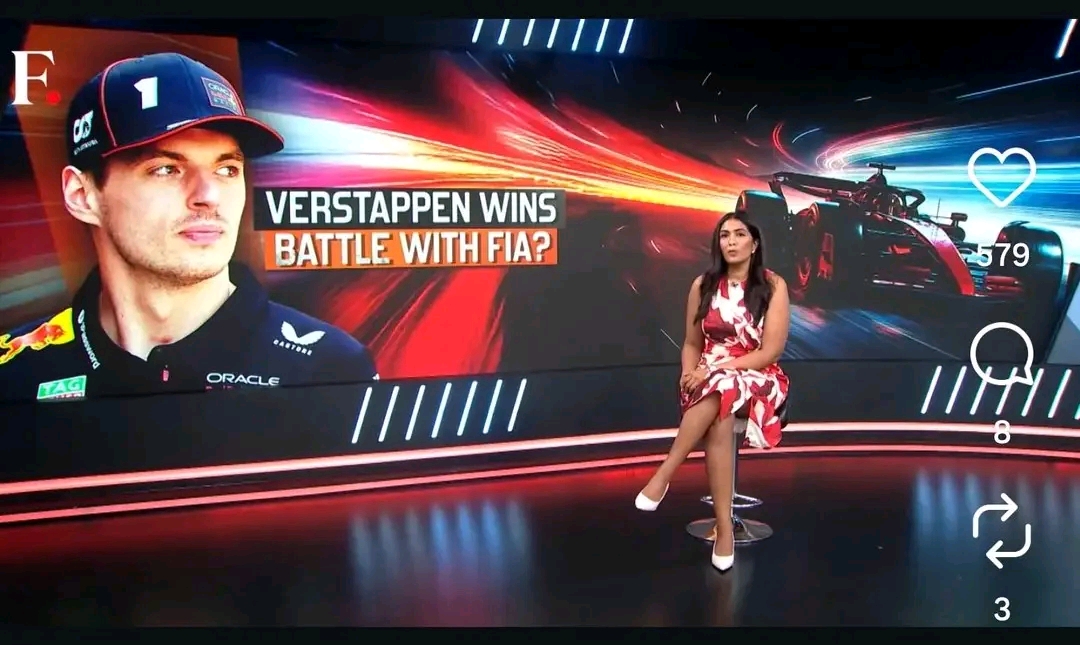
At the center of the public debate stands Max Verstappen, a driver known for his direct and unapologetic approach. His criticism of the new regulations has been widely reported, often framed as frustration or resistance. For many fans following headlines, it may seem as though he is the lone voice pushing back against the direction Formula 1 is taking.
But that perception doesn’t quite tell the full story.
Behind the scenes, concerns about the new rules extend far beyond a single driver. Multiple competitors across the grid have reportedly shared similar views, raising questions about drivability, race dynamics, and the overall feel of the cars. These concerns aren’t always delivered with the same intensity or visibility, but they exist—and they matter.
So why does the focus remain so heavily on Verstappen?
Part of the answer lies in visibility. As one of the sport’s most prominent figures, anything Verstappen says naturally carries more weight in the media. His success, personality, and willingness to speak openly make him an easy focal point for broader discussions. In many ways, he becomes the face of a conversation that is actually shared by many.
There’s also the nature of modern sports coverage to consider. Stories often gravitate toward clear narratives—heroes, critics, and defining moments. It’s easier to present a single outspoken figure than to capture the nuanced opinions of an entire grid. As a result, the broader consensus among drivers can sometimes be condensed into one dominant voice.
However, within the framework of Formula One, driver feedback has always played a crucial role in shaping the sport’s evolution. The governing body, Fédération Internationale de l’Automobile, regularly engages with teams and drivers to assess how regulations perform in practice. When multiple drivers raise similar concerns, it often signals an area worth reviewing rather than dismissing.
This is where the conversation shifts from individual criticism to collective insight.
What may appear as one driver’s frustration is, in reality, part of a broader dialogue about the future of Formula 1. Verstappen’s comments might be the most visible, but they echo a sentiment that is more widely shared than headlines suggest. The issue isn’t about assigning blame or resistance—it’s about understanding how changes affect those who operate at the very limit of performance.
As the season progresses, the true impact of these regulations will become clearer. Adjustments may be made, perspectives may evolve, and the narrative itself may shift. But one thing is certain: the discussion is bigger than any single driver.
And perhaps that’s the real takeaway.
What looks like one voice standing apart is, in many ways, a reflection of many voices speaking at once—just not always heard in equal measure.
About the Author