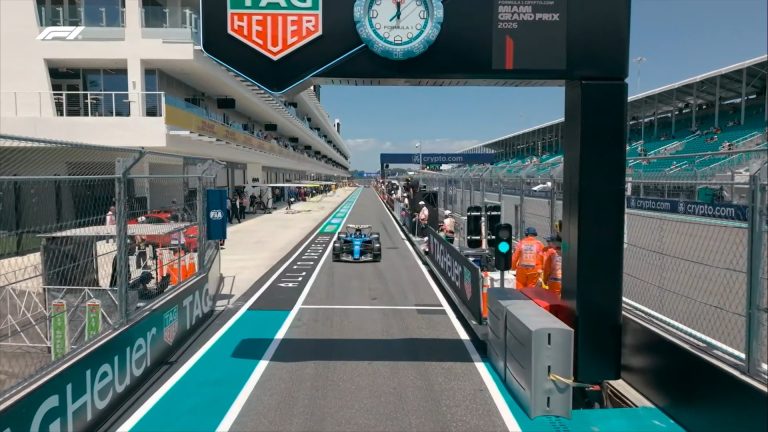
Speculation continues to swirl around Max Verstappen’s Formula 1 future as fresh developments at Mercedes signal a possible shift in the competitive landscape. While Verstappen remains the focal point of Red Bull’s ambitions, a significant new agreement secured by Mercedes has intensified discussions about what comes next for the reigning champion and the sport’s pecking order.
Mercedes, determined to return to the sharp end of the grid, have finalized a major long-term deal designed to strengthen their technical and operational foundations ahead of the next regulatory cycle. The agreement is understood to reinforce their power unit programme and streamline development resources as Formula 1 prepares for sweeping regulation changes. With the 2026 era set to redefine performance parameters, strategic partnerships and early groundwork could prove decisive.
For Verstappen, whose dominance in recent seasons has reshaped modern F1 narratives, the shifting balance of power cannot be ignored. Though contracted and central to Red Bull’s project, the Dutchman has been vocal about his expectations for competitiveness, stability, and the direction of future regulations. Any sign of momentum elsewhere inevitably fuels debate about potential changes—whether technical, structural, or even personal.
Mercedes’ move is widely seen as a statement of intent. After navigating a turbulent period adapting to ground-effect regulations, the Silver Arrows appear to be positioning themselves aggressively for the next chapter. The newly secured deal not only enhances their long-term prospects but also sends a clear message to rivals: Mercedes plan to be fully prepared when the rulebook resets.
Industry insiders suggest that the timing of this development is particularly significant. With teams already deep into 2026 concept work, early commitments and infrastructure investments could yield substantial competitive advantages. In a sport where marginal gains define championships, strategic foresight often separates contenders from the rest.
For Verstappen, any “new change” may not necessarily mean an immediate team switch, but rather a reassessment of the competitive environment unfolding around him. Formula 1 history shows that eras rarely remain static. Power dynamics shift, alliances strengthen, and fresh opportunities emerge.
As Mercedes solidify their future through decisive action, attention inevitably turns to how Red Bull and Verstappen will respond. Will the Milton Keynes outfit match the strategic momentum? Or could the evolving landscape eventually open the door to unexpected moves?
One thing is certain: as the sport edges closer to its next regulatory revolution, every major deal carries implications far beyond paperwork. In Formula 1, today’s agreements often shape tomorrow’s champions.
About the Author