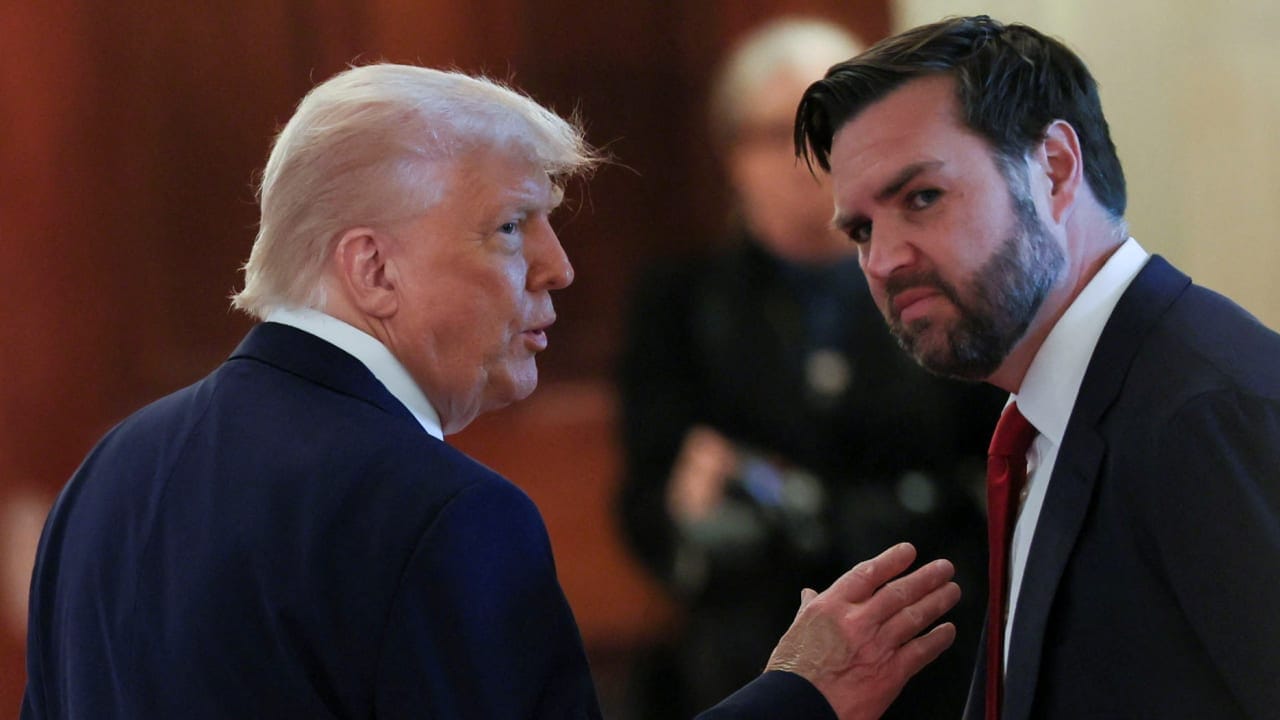
U.S. President Donald Trump has reportedly directed his vice president, JD Vance, to intensify efforts to find a path out of the ongoing conflict with Iran, signaling a notable shift toward diplomacy as high-stakes peace talks loom in Pakistan.
The directive comes as the White House prepares for a critical diplomatic push, with Vance set to lead an American delegation to Islamabad for negotiations aimed at securing a longer-term ceasefire and ultimately ending hostilities. The move underscores growing urgency within the administration to de-escalate tensions following weeks of military confrontation and a fragile, temporary truce.
A Strategic Pivot Toward Diplomacy
Sources familiar with internal discussions suggest that Trump’s instruction reflects both mounting international pressure and concerns over the sustainability of the conflict. While the administration had previously taken a hardline stance, recent developments appear to have opened the door for a diplomatic resolution.
Trump has publicly expressed optimism about reaching an agreement with Iran, even as he continues to warn of severe consequences if negotiations fail.
Behind the scenes, the president is said to be relying heavily on Vance, who has emerged as a central figure in backchannel communications with Iranian officials. Analysts believe Vance’s perceived credibility with Tehran could be key to breaking the deadlock that has frustrated previous diplomatic efforts.
Pakistan Emerges as Peace Broker
The choice of Pakistan as the venue highlights its increasingly important role as a mediator in the conflict. Officials in Islamabad have worked to bring both sides to the negotiating table, leveraging relationships with Washington and Tehran in an attempt to stabilize the region.
The upcoming talks are expected to focus on extending the current ceasefire, addressing regional security concerns, and reopening critical economic routes affected by the conflict. However, observers caution that Pakistan’s ability to enforce any agreement remains limited, making the negotiations particularly delicate.
Fragile Ceasefire, High Stakes
The urgency of Trump’s directive is underscored by the fragile nature of the existing ceasefire, which has already shown signs of strain. Disputes over its scope—particularly involving regional actors—continue to threaten its collapse.
Vance’s mission to Pakistan is therefore seen as pivotal. Not only must he secure commitments from Iran, but he must also navigate a complex web of geopolitical interests involving U.S. allies and regional powers.
A Defining Moment for Vance
For Vice President Vance, the assignment represents one of the most consequential challenges of his political career. Known for his skepticism toward prolonged foreign conflicts, he now finds himself tasked with delivering a diplomatic breakthrough under intense global scrutiny.
Whether his efforts will succeed remains uncertain, but one thing is clear: the outcome of the Pakistan talks could determine whether the U.S. remains entangled in war—or charts a path toward peace.
About the Author