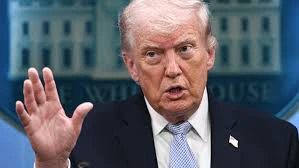
Tensions in the Middle East have escalated once again following a forceful statement by Donald Trump, who declared that the United States is prepared to ensure the reopening of the strategically vital Strait of Hormuz “pretty quickly”—and warned that failure to do so could lead to decisive military action.
The remarks come amid an ongoing standoff with Iran over control of the narrow maritime corridor, which remains one of the most critical النفط shipping routes in the world. Roughly one-fifth of global oil and gas supplies pass through the strait, making its closure a major threat to international markets and energy security.
Escalating Rhetoric and Strategic Pressure
President Trump’s latest comments reflect growing frustration within Washington over delays in restoring full access to the waterway. Despite a fragile ceasefire agreement earlier in the week, shipping traffic through the strait remains significantly reduced, with only a fraction of vessels able to pass safely.
In his statement, Trump emphasized urgency, suggesting that the U.S. and its allies would not tolerate prolonged disruption. His warning that “we will finish it off” signals a readiness to escalate military operations if diplomatic efforts fail.
This is not the first time the U.S. president has issued stark ultimatums. In recent weeks, he has repeatedly pressured Tehran to reopen the strait, even setting deadlines and threatening severe consequences if compliance is not achieved.
Iran’s Position and Strategic Leverage
Iran, however, has maintained a firm stance, using control of the strait as leverage in negotiations. Officials in Tehran have imposed restrictions, including limited passage and new conditions for vessels, which analysts say are designed to strengthen Iran’s bargaining position in ongoing talks.
The situation highlights the broader geopolitical struggle playing out in the region. Although U.S. officials claim significant military progress in the conflict, Iran retains the capability to disrupt maritime traffic and maintain pressure on global energy supplies.
Global Implications
The continued uncertainty surrounding the Strait of Hormuz has already sent shockwaves through global markets. Oil prices have surged, supply chains have been disrupted, and international stakeholders—from Europe to Asia—are increasingly concerned about prolonged instability.
Trump has also called on allied nations to contribute more actively to securing the waterway, warning that the burden cannot fall solely on the United States.
What Comes Next
With diplomatic talks ongoing and military tensions still high, the situation remains fluid. Trump’s latest declaration underscores a critical turning point: either a negotiated reopening of the strait or the risk of further escalation in an already volatile conflict.
For now, the world watches closely as both Washington and Tehran weigh their next moves—knowing that the outcome could reshape not only regional dynamics but the global economy itself.
About the Author