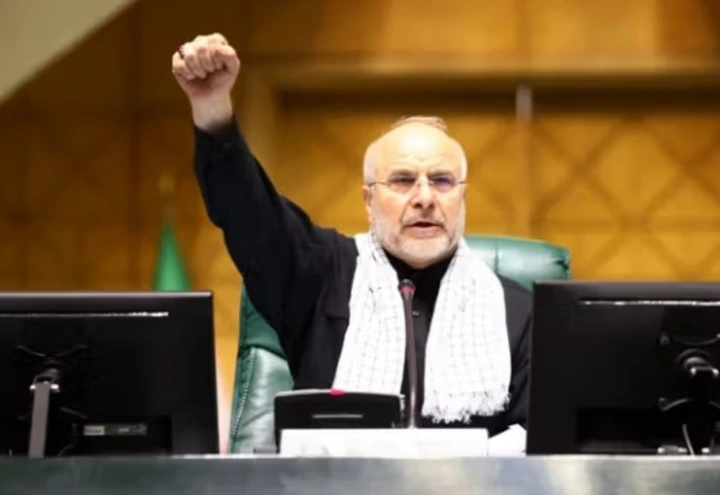
Tensions surrounding potential negotiations between Iran and the United States have intensified after Iranian Parliament Speaker Mohammad Bagher Ghalibaf issued a firm warning outlining preconditions for dialogue.
 In a strongly worded statement released on Friday, Ghalibaf emphasized that negotiations cannot proceed unless two previously agreed measures are fully implemented. According to him, these conditions are non-negotiable and form the basis of any meaningful diplomatic engagement.
The first requirement is the establishment of a comprehensive ceasefire in Lebanon. Iranian officials have repeatedly accused Israel and its allies of continuing military actions in the region, arguing that ongoing hostilities undermine trust and violate earlier understandings. Ghalibaf insisted that without a verifiable halt to violence in Lebanon, any attempt at talks would be premature and ineffective.
The second condition is the release of Iran’s blocked financial assets. Tehran has long demanded access to funds frozen abroad, viewing their release as both a humanitarian necessity and a sign of good faith from Washington. Ghalibaf stressed that failure to address this issue reflects a lack of commitment to fair negotiations.
“These two matters must be fulfilled before negotiations begin,” he stated, underscoring that both conditions had already been mutually acknowledged but remain unimplemented.
The remarks come amid preparations for a new round of talks expected to take place in Islamabad, with diplomatic efforts aimed at transforming a fragile ceasefire into a broader agreement. However, Ghalibaf’s stance highlights deep mistrust between the two sides, fueled by accusations of broken commitments and ongoing military tensions.
Recent developments suggest that Iran is increasingly skeptical about the negotiation process. Officials in Tehran argue that previous agreements have been violated even before formal discussions began, raising doubts about the credibility of future commitments.
As both sides move closer to the negotiating table, Ghalibaf’s conditions set a clear benchmark. Whether these demands are met could determine not only the success of upcoming talks but also the broader trajectory of the conflict in the region.
About the Author