Is Formula 1 Really Ending in 2028 What the Viral Rumor Actually Means
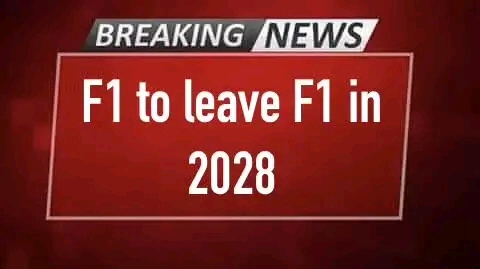
The internet has erupted after a shocking claim began circulating online suggesting that Formula 1 could be “leaving” or ending entirely by 2028. At first glance, the statement sounds dramatic, almost unbelievable, and yet it has managed to grab the attention of fans across the globe. Social media platforms quickly filled with speculation, confusion, and heated debate, as many tried to make sense of what such a claim could actually mean for one of the most popular motorsport series in the world.
What makes this situation particularly intriguing is the ambiguity of the message itself. The phrase “F1 to leave F1 in 2028” raises more questions than it answers. Is it referring to a major rebranding? A shift in regulations? Or something far more radical? Without clear context, interpretations have varied widely, with some fearing the end of an era, while others believe it could signal a transformation rather than a conclusion. This uncertainty has only fueled the viral nature of the claim.
In reality, Formula 1 has always been a sport defined by evolution. Over the decades, it has undergone countless changes—from technical regulations and team structures to race formats and global expansion. Each new era has brought its own identity, sometimes sparking resistance before eventually becoming part of the sport’s legacy. The idea that something significant could happen around 2028 is not entirely out of place, but the notion of the sport disappearing altogether seems far less likely when viewed through this historical lens.
Part of the reason this rumor has gained so much traction is the current climate within the sport. With ongoing discussions about sustainability, new engine regulations, and the future direction of racing, fans are already aware that change is coming. These real developments make it easier for dramatic or misleading headlines to take hold, especially when they tap into existing uncertainties. In a digital age where information spreads instantly, even vague claims can quickly feel credible.
Another factor contributing to the buzz is the emotional connection fans have with Formula 1. For many, the sport is more than just racing—it’s a tradition, a passion, and a source of unforgettable moments. The idea of it coming to an end naturally triggers strong reactions, from disbelief to concern. This emotional response is exactly what drives engagement, turning a simple, unclear statement into a global talking point.
However, when looking beyond the noise, it becomes clear that Formula 1 is not on the verge of disappearing. If anything, the sport continues to grow, attracting new audiences and expanding its reach worldwide. Upcoming regulation changes and long-term planning suggest a focus on sustainability and innovation, ensuring that the sport remains relevant for years to come. Rather than signaling an end, any developments around 2028 are far more likely to represent the beginning of a new chapter.
This situation serves as a reminder of how easily narratives can be shaped in the modern media landscape. A single phrase, taken out of context, can create a story that feels far more dramatic than reality. For fans, it highlights the importance of looking beyond headlines and seeking clarity before jumping to conclusions. At the same time, it demonstrates the enduring power of Formula 1 to capture attention, even through speculation alone.
As the conversation continues, one thing is certain: Formula 1 remains firmly at the center of the sporting world. Whether 2028 brings significant changes or simply marks another step in its evolution, the sport is far from finished. Instead, it is continuing to adapt, innovate, and push forward—just as it always has. For now, the idea of Formula 1 “leaving” is less about an ending and more about the mystery of what comes next.
About the Author