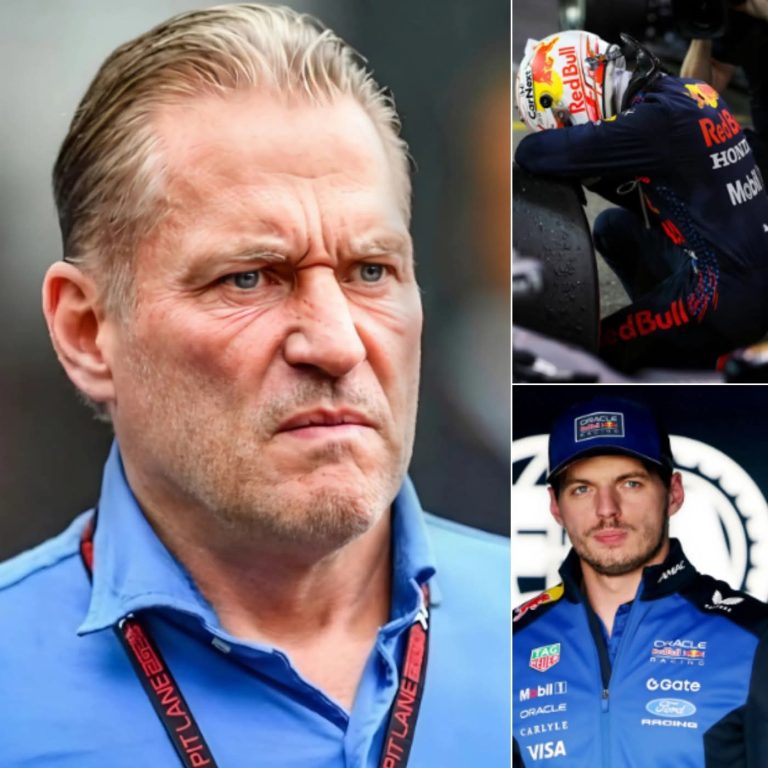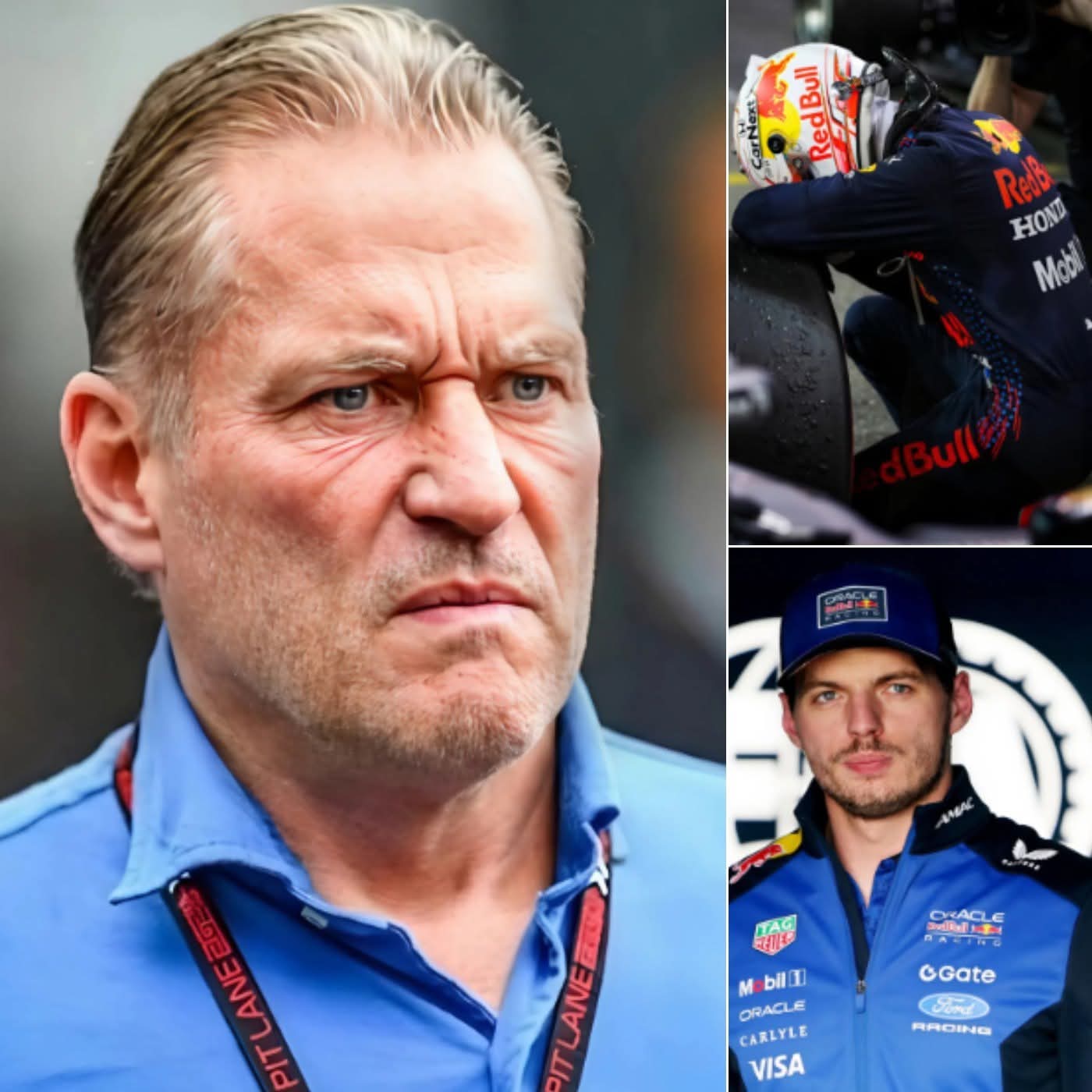
The motorsport world has been rocked by a stunning declaration from Jos Verstappen, who has officially stepped away from Formula 1. A long-standing figure within the paddock and father of reigning champion Max Verstappen, his abrupt decision has sent shockwaves across teams, executives, and fans alike, signaling a dramatic shift in the sport’s narrative.
Having spent decades immersed in elite racing—both as a driver and as a guiding force behind his son’s career—Jos has now publicly distanced himself from F1, claiming the sport has strayed from its original essence. He argues that modern Formula 1 prioritizes entertainment, commercial appeal, and complex regulations over the raw, competitive spirit that once defined it, leaving him disillusioned with its current direction.
In a surprising twist, Jos has pointed to GT racing as the new benchmark for authenticity, particularly praising the competitiveness and driver-focused nature of GT3. He believes the category delivers closer racing and a more genuine connection between car and driver, contrasting sharply with what he describes as F1’s increasingly technical and controlled environment.
His departure raises immediate questions about its impact on Max Verstappen and Red Bull Racing. With father and son historically operating as a tight unit, Jos stepping away creates a noticeable void within the team’s inner circle. It also fuels speculation about Max’s long-term future, especially given his known interest in endurance and GT racing beyond Formula 1.
The symbolic nature of Jos Verstappen’s exit—highlighted by his quiet walk away from the paddock—has left the racing community divided. While some dismiss it as another bold statement from a fiercely opinionated figure, others see it as a warning sign about the sport’s evolving identity. Regardless, his departure marks the end of a significant chapter, leaving Formula 1 to confront growing questions about its direction and soul.
About the Author