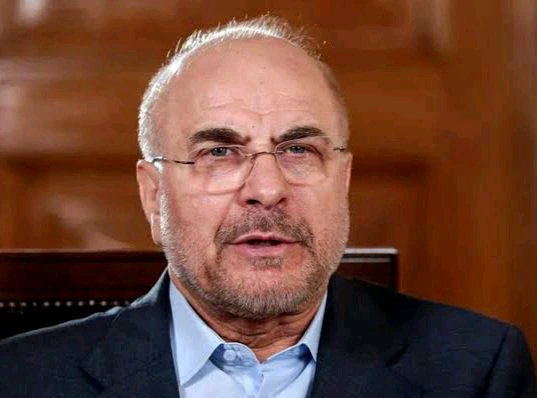
The already fragile diplomatic landscape between the United States and Iran has taken another dramatic turn following a striking statement by Iran’s parliamentary speaker, Mohammad Bagher Ghalibaf. His assertion that “the U.S. has understood Iran’s logic” but must now decide whether it can “earn our trust” reflects both cautious optimism and deep-rooted skepticism that continues to define relations between the two nations.
 Ghalibaf’s remarks come in the aftermath of high-stakes negotiations held in Islamabad, Pakistan, where representatives from both sides engaged in more than 20 hours of intense dialogue. These talks, described as historic due to the rarity of direct engagement between Washington and Tehran, ultimately failed to produce a breakthrough agreement, underscoring the enduring divide between the two geopolitical rivals.
At the heart of Ghalibaf’s message is a recurring theme: trust—or rather, the absence of it. Iran has repeatedly emphasized that its lack of confidence in the United States stems from what it perceives as a pattern of broken commitments and hostile actions, including military confrontations and alleged violations of prior agreements. This historical baggage continues to cast a long shadow over any diplomatic progress.
Despite this mistrust, Ghalibaf acknowledged that the recent talks were not without value. According to his statement, the United States now better understands Iran’s principles, strategic concerns, and red lines. However, understanding alone is not enough. For Iran, the real test lies in whether Washington is willing to translate that understanding into concrete actions that demonstrate reliability and respect for Iranian sovereignty.
The failed negotiations revolved around several contentious issues, most notably Iran’s nuclear program and control over critical regional waterways such as the Strait of Hormuz. While the U.S. pushed for firm commitments from Iran to curb its nuclear ambitions, Tehran resisted what it viewed as unjust demands, insisting instead on its right to maintain its nuclear infrastructure and regional influence.
Ghalibaf’s tone suggests that Iran does not reject diplomacy outright. On the contrary, he has indicated that Tehran entered the talks with “goodwill” and even proposed forward-looking initiatives aimed at resolving the conflict. However, from Iran’s perspective, these efforts were not reciprocated in a manner that could build genuine confidence, leading to the eventual breakdown of discussions.
The broader geopolitical context further complicates matters. Rising tensions in the Middle East, including military posturing and threats surrounding the Strait of Hormuz, have heightened the stakes of any diplomatic engagement. With global energy routes and regional stability hanging in the balance, the urgency for a resolution is greater than ever, yet so too is the risk of escalation.
Ghalibaf’s statement can also be interpreted as a strategic message aimed at both domestic and international audiences. Domestically, it reinforces Iran’s image of strength and independence, signaling that the country will not concede under pressure. Internationally, it places the burden of progress squarely on the United States, framing Washington as the party that must prove its sincerity moving forward.
The collapse of the Islamabad talks has not entirely closed the door on diplomacy, but it has made the path forward far more uncertain. Analysts suggest that any future negotiations will require confidence-building measures from both sides, particularly from the U.S., if Iran is to reconsider its position on trust and cooperation.
Ultimately, Ghalibaf’s declaration encapsulates the paradox of U.S.-Iran relations: a mutual recognition of the need for dialogue, paired with a deep-seated distrust that repeatedly derails it. Whether this latest chapter leads to renewed engagement or further confrontation will depend largely on the choices made in Washington—and whether those choices can finally bridge a divide decades in the making.
About the Author