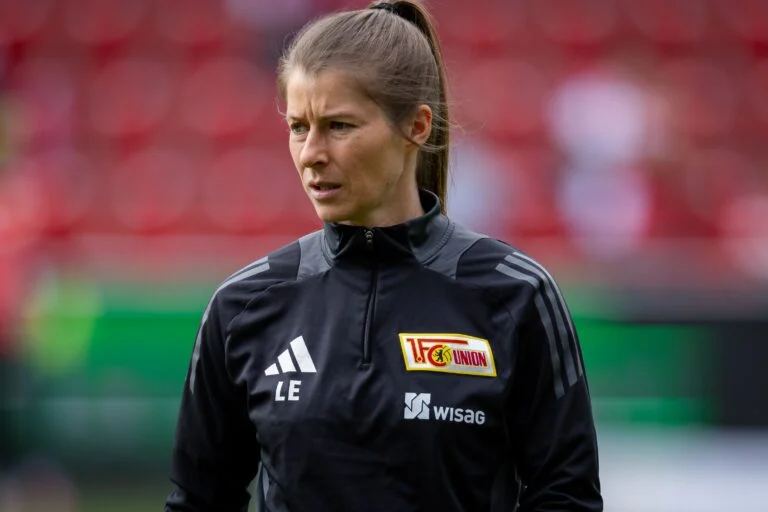
A historic milestone is on the horizon in European football as a female coach prepares to take charge of a men’s team in the Bundesliga. This groundbreaking development marks the first time a woman will lead a men’s side in any of Europe’s top five leagues, a group that also includes the Premier League, La Liga, Serie A, and Ligue 1. The appointment is being widely hailed as a transformative moment for the sport.
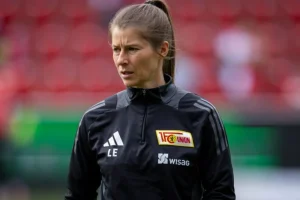 For decades, football coaching at the elite men’s level has been overwhelmingly male-dominated. While women have made significant strides in playing, refereeing, and managing within women’s football, opportunities at the highest tiers of the men’s game have remained elusive. This appointment challenges long-standing norms and signals a shift toward greater inclusivity in the sport’s leadership structures.
The coach at the center of this breakthrough has built an impressive résumé over the years, earning respect through tactical intelligence, strong leadership, and consistent results. Having previously worked within elite coaching systems and possibly held assistant or youth coaching roles at top clubs, she has steadily proven her capability in environments that demand excellence. Her rise is not a symbolic gesture but a merit-based progression rooted in performance.
Reactions from across the football world have been swift and largely supportive. Players, analysts, and fellow coaches have praised the decision, noting that the modern game increasingly values innovation, communication skills, and adaptability—qualities that transcend gender. Many believe this moment could inspire clubs across Europe to rethink traditional hiring practices and broaden their search for coaching talent.
However, the appointment also comes with immense pressure. Leading a men’s team in the Bundesliga is one of the most demanding roles in world football, requiring the management of elite athletes, intense media scrutiny, and high expectations from fans. The spotlight on her will be brighter than usual, not only because of the competitive nature of the league but also due to the historical significance of her position.
There are also broader cultural implications tied to this development. Football has long been a reflection of societal attitudes, and this step forward mirrors ongoing conversations about gender equality in leadership roles across industries. By breaking this barrier, the Bundesliga is positioning itself as a progressive league willing to challenge outdated conventions.
Skeptics, as expected, have raised questions about how players and fans will respond, but such concerns are increasingly being dismissed as outdated. Modern footballers are accustomed to diverse coaching styles and backgrounds, and respect is typically earned through knowledge, results, and leadership rather than identity. If she delivers on the pitch, acceptance is likely to follow naturally.
This moment could also have a ripple effect on grassroots and youth development. Young female coaches across Europe—and indeed the world—now have a powerful example to look up to. It reinforces the idea that pathways into top-level men’s football, while historically limited, are not closed.
Ultimately, this appointment is about more than one individual or one club. It represents a turning point in football history, where the focus shifts firmly toward ability and vision rather than tradition. As the new season approaches, all eyes will be on the Bundesliga—not just to see how the team performs, but to witness a new chapter in the evolution of the beautiful game.
About the Author