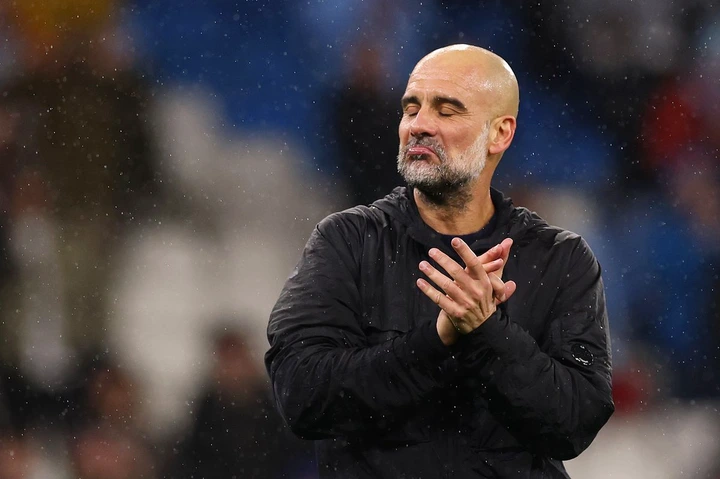
Pep Guardiola has voiced his frustration after the Football Association declined requests to reschedule fixtures, a decision that could have a significant impact on the Premier League title race. The Manchester City manager did not hold back in expressing concerns over what he sees as an uneven playing field during one of the most critical phases of the season.
 As the title race intensifies, fixture congestion has become a central talking point across English football. Guardiola argued that the refusal to adjust match schedules puts unnecessary strain on players, especially those competing on multiple fronts. With domestic and European commitments colliding, the lack of flexibility has raised questions about fairness and player welfare.
According to Guardiola, the situation is not just about convenience but about maintaining the integrity of the competition. He emphasized that teams battling for the title should be given equal opportunities to prepare, recover, and perform at their best. The Spaniard suggested that failure to consider such factors risks diminishing the quality of the league’s climax.
The scheduling issue comes at a time when Manchester City are locked in a fierce battle with rivals for the Premier League crown. Every match carries enormous weight, and even minor disadvantages could prove decisive. Guardiola pointed out that fatigue and limited recovery time could influence results, potentially altering the course of the title race.
Guardiola also hinted at broader concerns within the football calendar, describing it as increasingly demanding. Modern footballers are expected to compete in more competitions than ever before, often with minimal rest. He warned that ignoring these challenges could lead to burnout, injuries, and a drop in overall performance levels.
The FA’s stance, however, appears rooted in logistical constraints. Fixture schedules are often determined months in advance, factoring in broadcasting agreements, stadium availability, and other competitions. While adjustments are sometimes possible, they are rarely straightforward, particularly during the business end of the season.
Despite understanding the complexities, Guardiola maintained that greater effort should be made to accommodate clubs still competing for major honors. He suggested that dialogue between governing bodies and clubs needs to improve to find workable solutions that benefit the sport as a whole.
Fans and pundits have been divided on the issue. Some support Guardiola’s position, arguing that player welfare and competitive fairness should take priority. Others believe that all teams face similar challenges over the course of a season and must adapt accordingly without expecting special treatment.
As the season approaches its dramatic conclusion, the debate over scheduling is unlikely to fade. Guardiola’s comments have reignited discussions about how football authorities manage increasingly crowded calendars, especially in elite competitions.
Ultimately, the situation underscores the delicate balance between commercial interests, logistical realities, and sporting integrity. Whether or not changes are made in the future, Guardiola’s reaction has once again brought attention to a growing concern within modern football—one that could shape how the game is organized for years to come.
About the Author