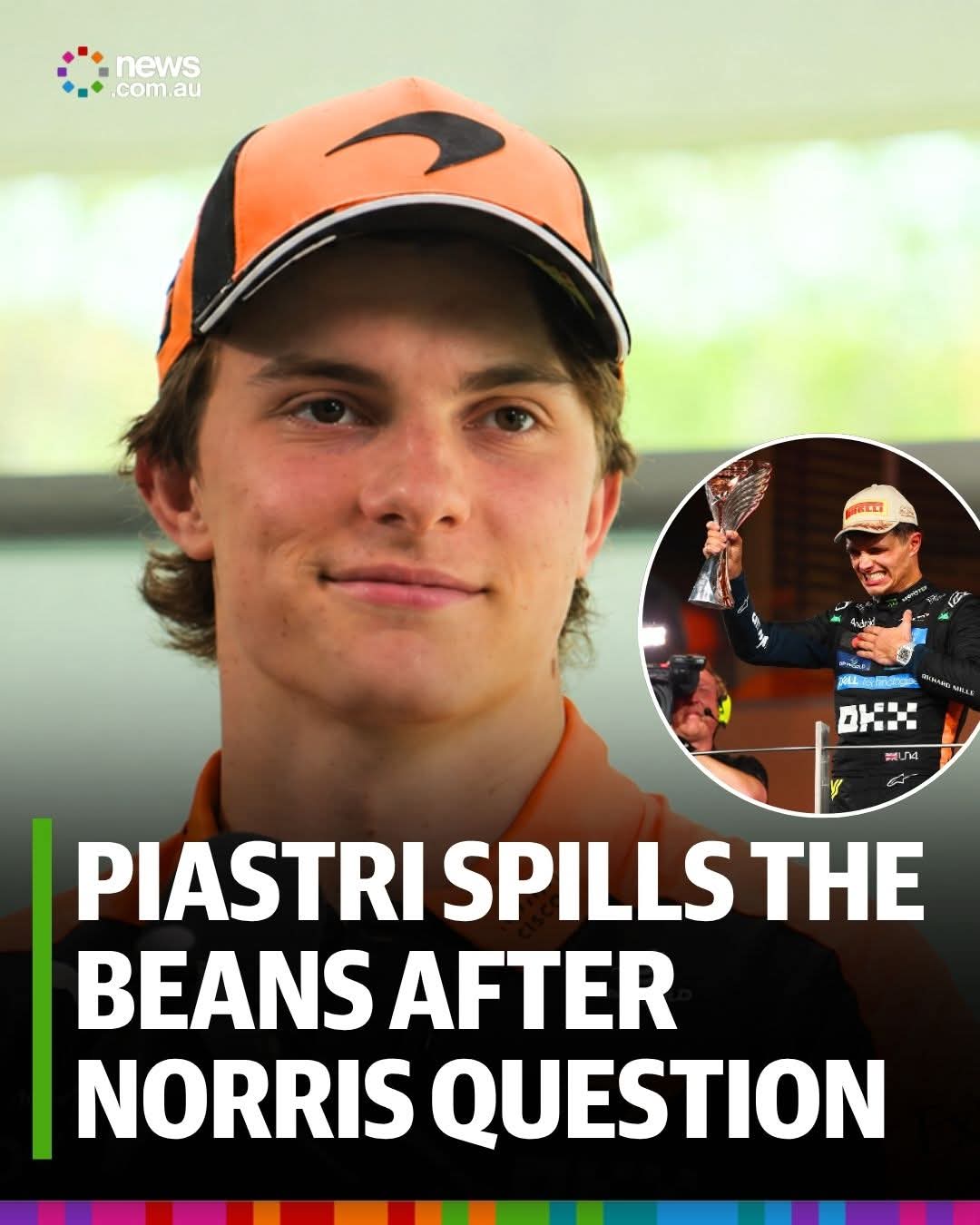
- The internal battle at McLaren last season could have easily spiraled into one of Formula 1’s most destructive teammate rivalries—but according to Oscar Piastri, it never crossed that line. Despite going head-to-head with Lando Norris in a tense championship fight, Piastri has now revealed just how close things came to turning “nasty”—and why they ultimately didn’t.
For much of the 2025 campaign, Piastri positioned himself as a genuine title contender, leading the standings before momentum gradually shifted toward Norris. The turning point came during a series of intense on-track moments, including collisions at the Canadian Grand Prix and a sprint race in Austin. Add to that team orders—such as being asked to let Norris through at Monza—and the ingredients for conflict were all there. In most teams, that combination would trigger long-term tension, but McLaren managed to avoid a full-blown breakdown.
Speaking candidly, Piastri admitted that the rivalry could have escalated quickly under different circumstances. However, both drivers understood the bigger picture: only one could win, and protecting team stability was essential. That level of maturity is rare in Formula 1, where title fights between teammates have historically led to lasting fallout. McLaren’s ability to maintain internal balance during such a high-pressure battle highlights a shift in team culture—one that prioritizes long-term success over short-term ego clashes.
From an analytical standpoint, this dynamic may become one of McLaren’s biggest strengths moving forward. While rival teams often struggle with internal politics, McLaren appears to be building a structure where competition doesn’t come at the cost of cohesion. That said, maintaining this balance will become increasingly difficult if both drivers remain title contenders in future seasons. History suggests that repeated high-stakes battles eventually test even the strongest partnerships.
Piastri’s confidence also plays a crucial role in how this rivalry is evolving. He openly acknowledged that his belief in becoming a world champion solidified during the 2025 season, particularly after recognizing his own performance growth early in the year. That mindset shift is significant—it signals that he no longer sees himself as a supporting figure, but as a driver capable of leading a championship charge. And with that belief comes increased pressure to deliver consistent results.
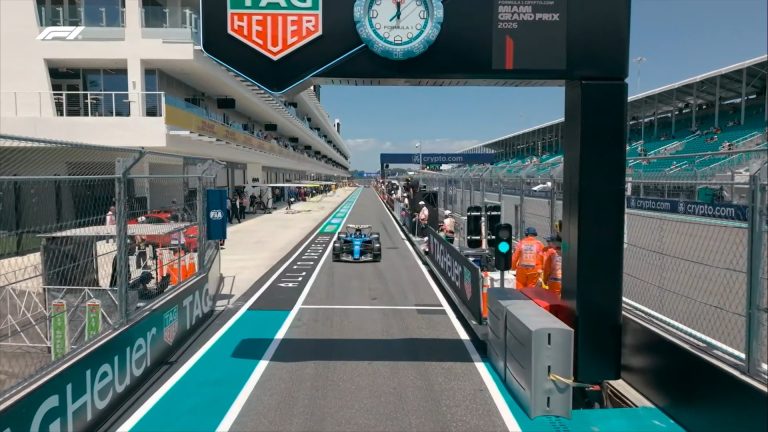
The current season, however, has not started smoothly for the Australian. Early setbacks, including race absences and inconsistent finishes, have left him trailing in the standings. Heading into Miami, he finds himself outside the top five and already playing catch-up in what could become a defining stretch of the season. Meanwhile, Norris remains within striking distance of the championship lead, adding another layer of internal competition.
Looking ahead, the key question is whether McLaren can sustain harmony if both drivers return to peak form simultaneously. If Piastri regains momentum and re-enters the title conversation, the team may once again face difficult decisions regarding race strategy and driver priority. The difference this time is that expectations are higher—and the margin for error is much smaller.
Ultimately, McLaren’s 2025 experience may serve as a blueprint for handling intra-team rivalries in modern Formula 1. But as the 2026 season unfolds, one thing is clear: the balance between competition and cooperation will continue to define not just Piastri and Norris’ relationship, but McLaren’s championship ambitions as a whole.
About the Author