Caitlin Clark is redefining greatness in the WNBA with historic all around performance
There are moments in sports when something feels different, even before the numbers confirm it. A player steps onto the court and, somehow, the rhythm changes. The pace feels sharper, the decisions quicker, the impact louder than the scoreboard can immediately explain. It’s not always about dominance in the traditional sense—it’s about influence, the kind that quietly reshapes expectations without asking for permission.
For years, greatness in basketball has often been measured in fragments. Scorers were celebrated for points, playmakers for assists, defenders for stops. Rarely do those categories blend seamlessly into one identity. And when they do, it usually takes time—seasons, even careers—for the full picture to emerge. But every so often, someone accelerates that timeline and forces the conversation forward much sooner than expected.
That’s where curiosity turns into scrutiny. When a player starts doing a little bit of everything, people begin to ask harder questions. Is it sustainable? Is it efficient? Is it truly impactful, or just visually impressive? These questions tend to follow anyone who dares to operate outside the traditional mold, especially in a league as competitive and evolving as the WNBA.
And then, almost quietly, the answers begin to show themselves.
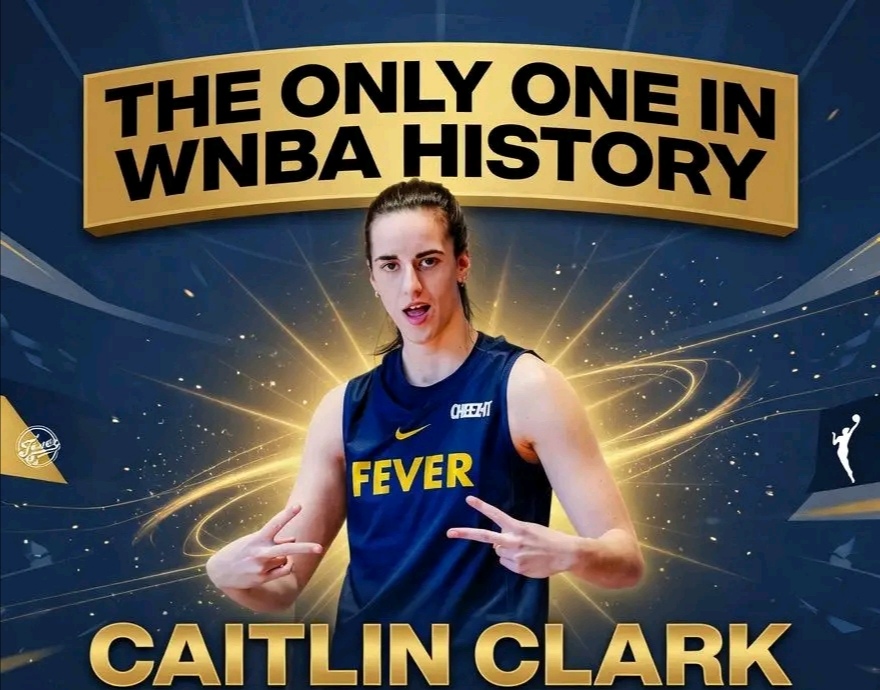
Because what Caitlin Clark is doing isn’t just impressive—it’s historically unmatched. Through just two seasons, she stands alone as the only player ever averaging 18.5 points, 8.5 assists, 5.5 rebounds, 1.4 steals, and 0.6 blocks per game. That combination doesn’t just highlight versatility—it redefines it. It’s not a spike in one category or a temporary hot streak. It’s consistency across every major facet of the game.
And if that wasn’t enough, there’s another layer that makes the achievement even more striking. Maintaining a career average of at least 10 points and 8 assists has never been done before in the league. Not by legends, not by MVPs, not by the icons who helped build the foundation of the sport. That kind of production demands more than talent—it demands vision, endurance, and an understanding of the game that goes beyond instinct.
This is where the narrative shifts from curiosity to clarity.
Clark isn’t just playing well—she’s operating in a space that hasn’t existed before. Her scoring stretches defenses, her passing dissects them, and her presence forces teams to rethink their entire approach. It’s not about choosing between being a scorer or a facilitator; it’s about mastering both at the same time, consistently, under pressure.
And yet, despite all of this, the debate still lingers. Some question the style, others the efficiency, and a few simply resist the idea of something new redefining what they’ve always known. But numbers have a way of cutting through noise. They don’t argue, they don’t exaggerate—they simply present the truth.
Love her or doubt her, agree or disagree—the reality remains unchanged.
Caitlin Clark is not just keeping up with the league. She’s moving ahead of it, setting a standard that others will now be measured against. And whether people are ready to admit it or not, this isn’t just a hot start or a temporary surge.
It’s the beginning of something the game hasn’t quite seen before.
About the Author