There’s a quiet kind of impact that rarely makes headlines—the kind that doesn’t involve buzzer-beaters, viral clips, or contract extensions. It happens in neighborhoods, on ordinary streets, in the lives of people who aren’t used to being at the center of attention. And yet, those moments often leave a deeper mark than anything that plays out in an arena.
 Communities are built in ways that go far beyond infrastructure. They’re shaped by gestures, by collective effort, by people choosing to show up for one another when it matters most. Sometimes, the strongest foundations aren’t made of bricks and cement, but of intention—of deciding that someone else’s story deserves a turning point.
It’s easy to forget that professional sports teams exist within these same communities. Behind the jerseys and game schedules are organizations with the ability to influence lives far outside the court. And occasionally, they lean into that responsibility in ways that feel both unexpected and deeply meaningful.
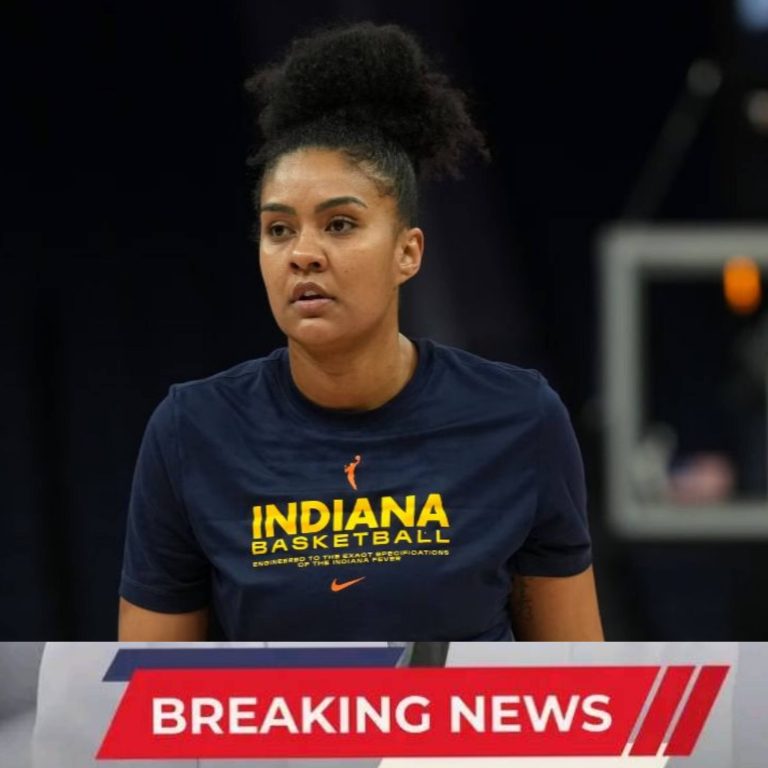
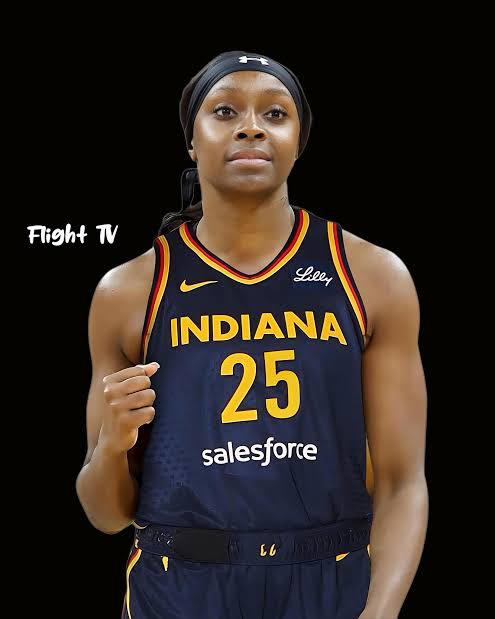
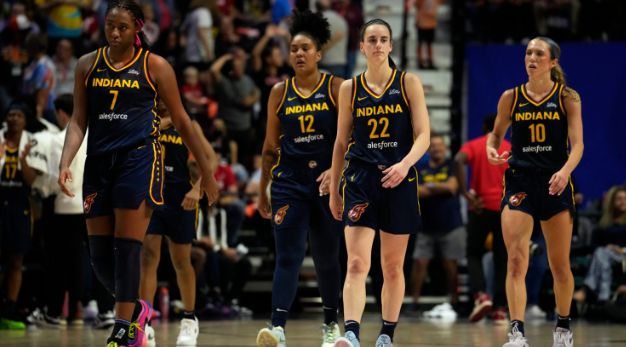
That’s where the Indiana Fever step into a different kind of spotlight. Not for a game, not for a trade, but for something far more grounded—partnering with Habitat for Humanity to change a life in a lasting way.
In a collaboration that speaks louder than any scoreboard, the team joined efforts to build a home for a single mother in Indianapolis. Not a symbolic gesture, not a donation from afar—but a tangible, hands-on contribution to something permanent.
This wasn’t just about construction. It was about stability. For the woman at the center of it all, the project represents more than walls and a roof—it’s security, a fresh start, and the kind of opportunity that can reshape a family’s future. Homeownership, in this context, becomes more than a milestone; it becomes a foundation for everything that follows.
And for the Fever, the initiative highlights a broader truth about influence. Impact isn’t always measured in championships or fan engagement—it’s measured in lives touched and communities strengthened. By stepping off the court and into this role, they’ve reframed what it means to represent a city.
Because sometimes, the most important victories don’t come with a final whistle. They come quietly—hand by hand, brick by brick—until one day, someone has a place to finally call home.
About the Author