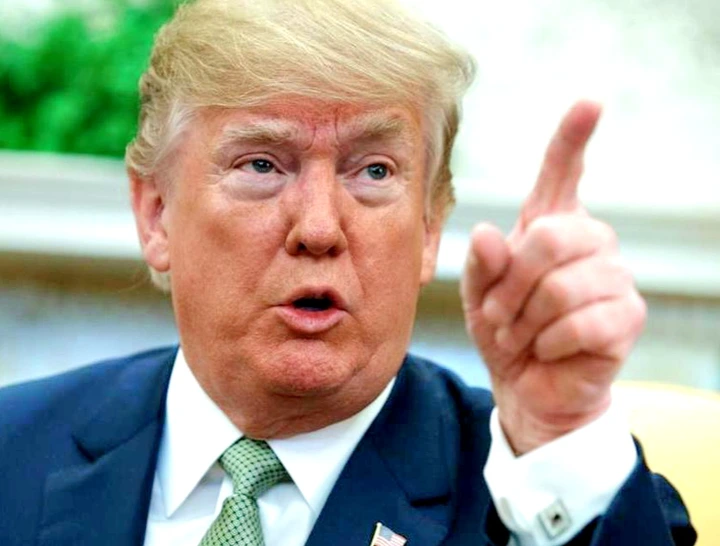
The latest remarks from Donald Trump have sparked global attention after he suggested that “something could be happening over the next two days” regarding tensions with Iran. The statement, delivered during a media interview, has been widely interpreted as a signal that diplomatic or strategic developments may be imminent in the already volatile Middle East situation.
 Trump’s comments come at a critical moment, following stalled negotiations between the United States and Iran. According to multiple reports, initial rounds of talks failed to produce a breakthrough, largely due to deep disagreements over Iran’s nuclear program and the extent of restrictions Washington is demanding.
The U.S. administration has maintained a firm stance that Iran must not possess nuclear weapons under any circumstances. However, Iranian officials have pushed back, insisting on their right to pursue nuclear activities for peaceful purposes under international agreements. This fundamental disagreement has remained a major obstacle in reaching a lasting deal.
Despite the tension, Trump’s tone suggested cautious optimism. His statement that “we’re more inclined to go there” was widely understood as a reference to renewed negotiations potentially taking place in Islamabad. The choice of location reflects the growing role of Pakistan as a mediator in the crisis.
A key figure in this diplomatic effort is Asim Munir, whom Trump praised for his involvement in facilitating dialogue. His role has reportedly helped bring both sides back to the negotiating table, even after earlier discussions ended without agreement.
The urgency surrounding Trump’s statement is also tied to the broader geopolitical context. The U.S. and Iran are operating under a temporary ceasefire, with a looming deadline that increases pressure on both sides to reach some form of understanding. Failure to do so could risk a renewed escalation of military conflict.
Recent developments have further complicated the situation. Regional instability, including disruptions to key oil routes and rising global energy prices, has heightened the stakes. Diplomatic efforts are now seen not just as a bilateral issue, but as a matter of global economic and security concern.
There are also divisions within the U.S. approach. Reports indicate disagreements among American officials over how hard a line to take, particularly regarding proposals such as a long-term suspension of Iran’s uranium enrichment program. These internal debates add another layer of uncertainty to the negotiations.
Meanwhile, Iran has remained publicly skeptical of U.S. intentions, accusing Washington of imposing unrealistic demands. Iranian representatives have signaled willingness to negotiate, but only under conditions they consider fair and respectful of their sovereignty.
International actors, including the United Nations, have expressed cautious hope that talks could resume soon. Diplomatic voices continue to emphasize that sustained dialogue is the only viable path to de-escalation and long-term stability.
Ultimately, Trump’s statement that “something could be happening” underscores how fluid and unpredictable the situation remains. Whether it signals a breakthrough in diplomacy or simply another round of high-stakes negotiations, the next few days are likely to be crucial in shaping the future of U.S.-Iran relations and the broader Middle East landscape.
About the Author