The fate of Iran’s participation in the 2026 FIFA World Cup has finally been clarified after weeks of uncertainty, political tension, and conflicting statements from global leaders. At the center of the storm were remarks made by Donald Trump and the decisive stance taken by Gianni Infantino, whose final word has effectively settled the matter.
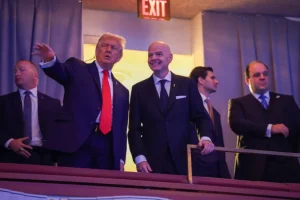 For months, Iran’s World Cup status had been under intense scrutiny. Despite qualifying on merit, the country found itself entangled in geopolitical tensions, particularly due to the tournament being hosted in the United States, Canada, and Mexico. The situation escalated further when concerns were raised about security, diplomatic relations, and travel restrictions involving Iranian officials.
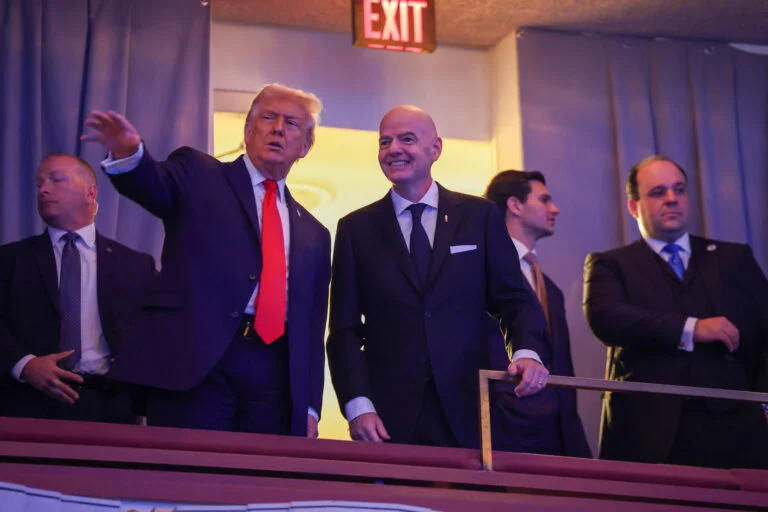
The controversy intensified when Trump made headlines with remarks suggesting that Iran should reconsider participating in the tournament “for their own life and safety.” His comments reflected broader geopolitical tensions and raised fears that Iran could be excluded or might withdraw voluntarily. However, his stance appeared inconsistent, as he had earlier indicated that Iran would still be welcome to compete.
As speculation grew, FIFA was placed in a difficult position. The governing body of world football had to balance political realities with its long-standing principle of keeping the sport separate from global conflicts. Pressure mounted from various groups, including activists who called for Iran’s exclusion, while others argued that football should remain a unifying force regardless of politics.
The turning point came during a FIFA Congress, where Infantino addressed the issue directly. In a clear and decisive statement, he confirmed that Iran would participate in the 2026 World Cup as planned. This announcement effectively ended any lingering doubts and reinforced FIFA’s commitment to inclusivity and sporting fairness.
Interestingly, Trump later appeared to soften his earlier rhetoric. When asked about Iran’s participation following FIFA’s confirmation, he responded with a more accepting tone, stating that he was fine with the decision and adding, “Let them play.” This shift suggested a degree of alignment with FIFA’s position, even if his earlier warnings had contributed to the uncertainty.
Despite the final decision, challenges remain. Reports indicate that certain Iranian officials could still face travel restrictions, particularly those with alleged ties to controversial organizations. This means that while the players are expected to compete, the broader delegation may not enjoy full access, adding another layer of complexity to Iran’s World Cup journey.
The situation has also highlighted the broader intersection of sports and politics. Iran’s case is a reminder that global tournaments like the FIFA World Cup do not exist in isolation. They are deeply influenced by international relations, security concerns, and diplomatic policies, all of which can impact participation.
On the sporting side, Iran is now expected to focus on preparation for the tournament, where they are scheduled to face teams such as New Zealand, Belgium, and Egypt in the group stage. With their place secured, attention can finally shift from politics to performance on the pitch.
Ultimately, FIFA’s final decision underscores its authority in global football governance. By confirming Iran’s participation despite external pressures, the organization has sent a strong message about maintaining the integrity of competition. At the same time, the episode serves as a powerful example of how even the world’s biggest sporting event can be shaped by forces far beyond the game itself.
About the Author