Is the 8th World Title chase officially back on? This high-stakes testing revelation
There are moments in motorsport when silence says more than headlines ever could. While most of the grid stepped away to recharge, something far more intense was quietly unfolding behind closed gates—away from cameras, away from speculation, and away from the usual rhythm of the season. It wasn’t a race weekend, yet the stakes felt just as high. Something about this felt deliberate, almost calculated, as if a bigger plan was being set in motion without the world noticing… at least not immediately.
For fans of Formula 1, unexpected developments often arrive disguised as routine preparation. Testing sessions are rarely seen as headline material, but every now and then, one breaks that pattern. This was one of those moments. Because while others paused, Lewis Hamilton chose a different path—one that hinted at urgency, focus, and perhaps even unfinished business.
The location itself added another layer of intrigue. Deep within the historic grounds of Fiorano Circuit, where secrets are carefully guarded and breakthroughs are quietly born, Hamilton reportedly pushed himself—and the machine—to extraordinary limits. There were no grandstands filled with cheering crowds, no official race pressure, yet what unfolded there may carry consequences far beyond a simple test.
Over the course of two intense days, the numbers alone began to tell a story that was impossible to ignore. Nearly 300 laps—an astonishing total that speaks not just of endurance, but of intent. This wasn’t casual running. It was relentless. Lap after lap, condition after condition, all designed to unlock something deeper within Ferrari’s evolving package. And then came the twist that truly caught attention—a controlled, artificial downpour that transformed the session into something far more revealing.
That’s where everything started to make sense.
Because this wasn’t just about mileage—it was about mastery. In simulated wet conditions, Hamilton appeared to find a rhythm that others might struggle to replicate. Reports of a standout lap time only fueled the growing buzz, suggesting that both driver and car were operating in near-perfect harmony under some of the most challenging circumstances. It wasn’t just speed—it was control, precision, and confidence all coming together at the right moment.
The implications of this are significant. Ferrari’s latest machinery, often discussed with cautious optimism, may have quietly developed a strength that could reshape expectations. If the car performs this well in adverse conditions, it hints at balance, adaptability, and a level of predictability that every driver craves but few consistently achieve. And if Hamilton has already tapped into that potential, it raises a bigger question—has he found the edge that could tilt the championship fight?
For rivals, this kind of development doesn’t go unnoticed. Even without official confirmation, the paddock thrives on information, and performances like this tend to travel fast. A strong showing in controlled testing might not guarantee race-day dominance, but it can shift momentum. It can plant doubt. And in a sport where confidence is everything, even the smallest psychological advantage can become decisive over a long season.
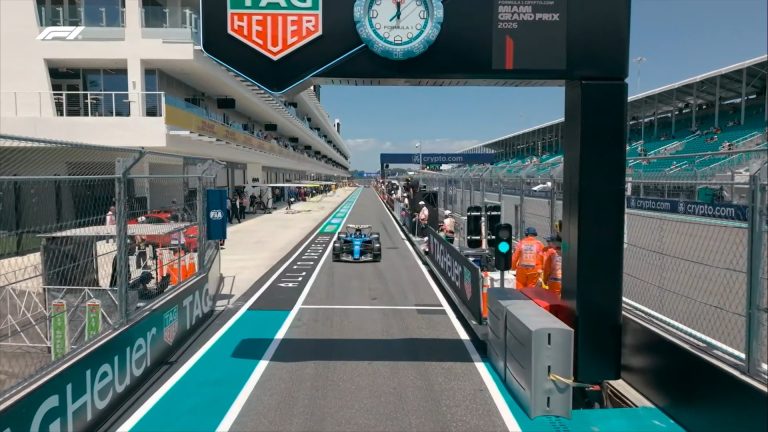
As the focus now turns toward upcoming race weekends, particularly high-pressure events like Miami, the narrative begins to evolve. This is no longer just about preparation—it’s about timing. Hamilton’s efforts suggest a driver who is not only adapting to a new environment but actively shaping it to suit his strengths. And when a seven-time champion reaches that level of comfort, history suggests that something special might follow.
So the question lingers, growing louder with every passing day—could this be the moment that reignites a title charge many thought had faded? The answer isn’t certain yet, but one thing is clear: what happened behind those closed doors has already changed the conversation.
About the Author