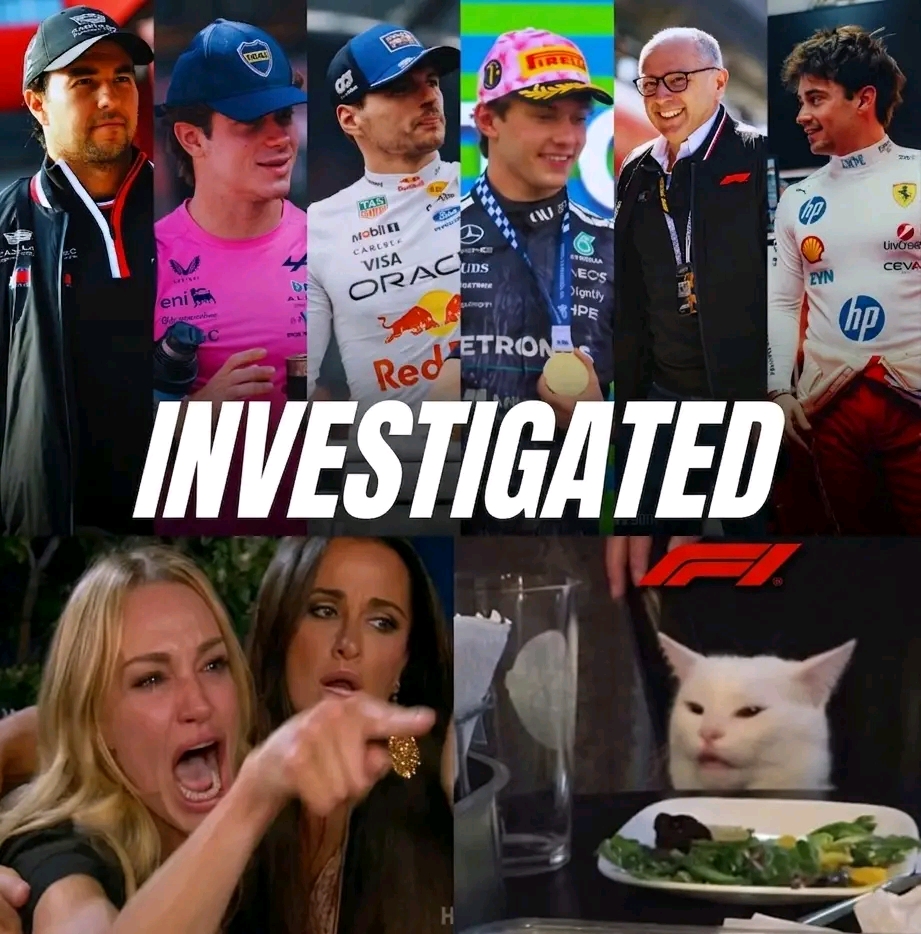
Italy opens tax checks on F1 drivers, accusations, but a review of income earned on Italian soil under local tax rules.
There are moments in global sport when the spotlight shifts away from the roar of engines, the blur of speed, and the thrill of victory… and lands somewhere far quieter, yet far more unsettling. It’s not about lap times or podium finishes. It’s about what happens off the track—behind closed doors, in offices filled with paperwork instead of trophies. And lately, whispers have begun to circulate that something significant is unfolding in one of Formula 1’s most iconic territories.
At first glance, everything appears normal. The glamour, the prestige, the unmistakable aura of races held on historic circuits like Autodromo Nazionale Monza continue to captivate fans worldwide. Drivers arrive, teams prepare, and the spectacle rolls on as it always has. But beneath that polished surface, a different kind of race may be quietly taking shape—one not measured in seconds, but in figures, filings, and financial scrutiny.
For years, the lives of Formula 1 drivers have existed in a world that feels almost untouchable. Jet-setting across continents, earning millions, and operating within complex international systems, they’ve become symbols of both sporting excellence and financial power. Names like Lewis Hamilton and Max Verstappen aren’t just associated with speed—they represent a global business machine that spans sponsorships, endorsements, and high-stakes contracts. But what happens when that machine draws the attention of something far less glamorous… like tax authorities?
The conversation has started to shift. Not dramatically, not explosively—but enough to raise eyebrows. Insiders suggest that officials in Italy have begun taking a closer look at something many fans rarely consider: how income earned during races on Italian soil is reported and taxed. It’s not scandal, not accusation, not even controversy—at least not yet. It’s something more procedural, more methodical… and perhaps more consequential than it initially seems.
Now, here’s where everything becomes clear.
Reports indicate that Italian authorities have opened a structured review into the earnings of Formula 1 drivers specifically tied to events held within the country. This includes race weekends, promotional appearances, and any income streams generated while operating under Italian jurisdiction. The key detail? This isn’t a crackdown or a case of wrongdoing. It’s a compliance check—an effort to ensure that all income connected to Italian events aligns with local tax regulations.
That distinction matters.
Because while headlines might tempt you to think otherwise, this isn’t about accusing drivers of misconduct. It’s about interpretation—how international earnings intersect with national laws. In a sport as global as Formula 1, where drivers are paid through complex arrangements spanning multiple countries, determining what portion of income is taxable in a specific location can quickly become a grey area. And Italy, known for its rigorous financial oversight, appears to be tightening its lens.
Still, the implications are impossible to ignore.
For drivers, teams, and even governing bodies like Fédération Internationale de l’Automobile, this move could signal a shift in how financial operations are handled during race weekends. It raises questions about whether other countries might follow suit, potentially creating a ripple effect across the entire calendar. If Italy is setting a precedent, the sport could soon find itself navigating not just technical regulations and competitive rules—but a new layer of financial accountability tied directly to geography.
And for fans? It adds an unexpected dimension to the sport they love. The drama is no longer confined to overtakes and strategy calls. It’s expanding into boardrooms and legal frameworks, where decisions carry long-term consequences that could reshape how the sport operates behind the scenes.
So while the engines continue to roar and the races go on, something quieter—but no less significant—is happening in the background. Not a scandal. Not a crisis. But a reminder that even in a world defined by speed, there are forces that move much slower… and hit just as hard when they finally arrive.
About the Author