The WNBA rivals become teammates and build chemistry
There’s something fascinating about competition—the way it draws lines, creates tension, and builds stories that fans hold onto long after the final whistle. Rivalries, in particular, have a way of shaping how we see players. They turn matchups into moments, turning every possession into something personal. But what happens when those same rivalries don’t end… they simply change direction?
In professional basketball, especially within the WNBA, movement is constant. Players switch teams, new partnerships form, and familiar faces suddenly appear on the same side. It’s a reality that challenges the very idea of rivalry. One day you’re battling someone for every inch on the court, and the next, you’re expected to trust them in the most critical moments of a game.
At first glance, it sounds simple—talented players coming together for a common goal. But beneath that simplicity lies something far more complex. Chemistry isn’t automatic. Trust isn’t instant. And the emotions built during intense competition don’t just disappear overnight. They linger, quietly shaping how players approach their new roles alongside former opponents.
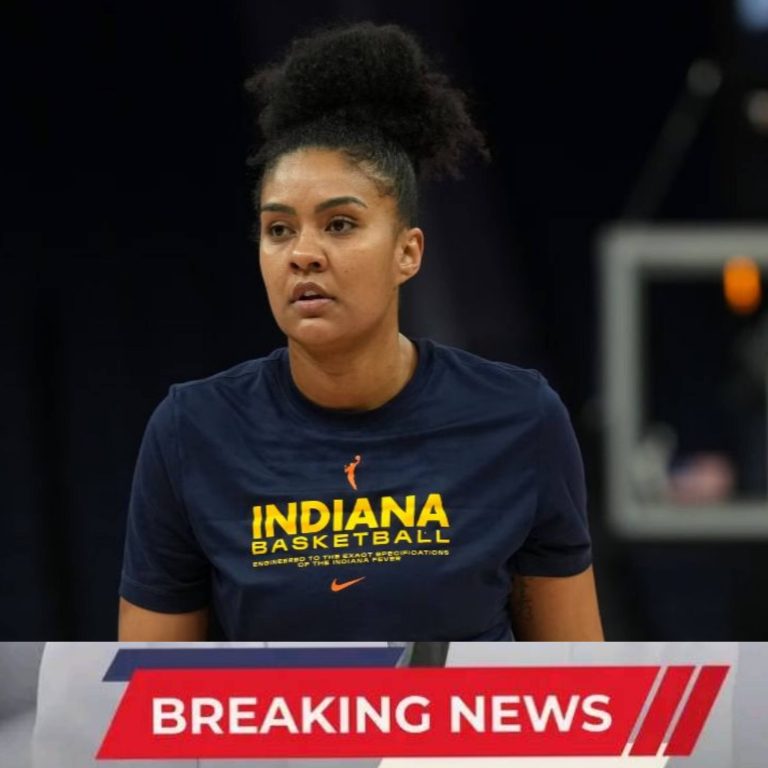
That’s where Aliyah Boston offers a perspective that cuts through the surface.
Having experienced this transition firsthand, Boston understands that the shift from rival to teammate is less about forgetting the past and more about redefining it. The intensity, the competitiveness, the edge that once fueled those battles—it doesn’t vanish. Instead, it gets redirected. What was once used to challenge each other now becomes a shared strength.
And this is where the real transformation happens.
Boston explains that the key isn’t avoiding those past moments, but embracing them. The same qualities that made someone a difficult opponent—toughness, resilience, confidence—are exactly what make them valuable as a teammate. When players recognize that, something changes. The tension fades, replaced by respect. And from that respect, trust begins to grow.
It’s not an instant process.
There are adjustments, conversations, and moments where players have to recalibrate how they see each other. But over time, a new dynamic forms—one that’s often stronger because of what came before. Instead of starting from zero, these relationships are built on a foundation of knowing exactly what the other person is capable of.
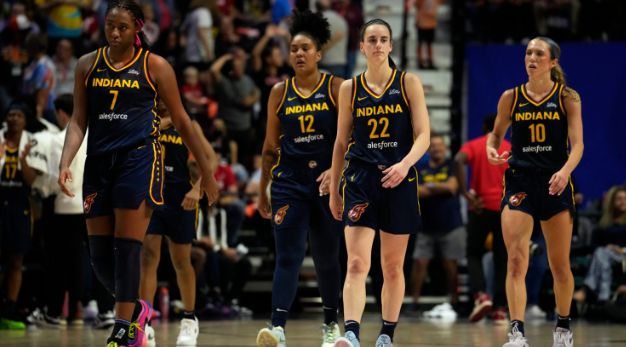
For teams like the Indiana Fever, this dynamic can become a powerful advantage.
When former rivals come together with a shared purpose, they bring more than just skill—they bring understanding. They know each other’s tendencies, strengths, and even weaknesses. That knowledge, once used to compete, now becomes a tool for collaboration. And when that shift fully clicks, it can elevate a team in ways that pure talent alone cannot.
Boston’s insight reveals something deeper about the nature of the game.
Rivalries may capture attention, but unity wins games. The journey from opposition to partnership isn’t always easy, but it’s often where the most meaningful growth happens. It’s where players learn to channel intensity into cohesion, turning past battles into future success.
And in a league where every edge matters, that transformation might just be the difference between competing… and truly contending.
About the Author