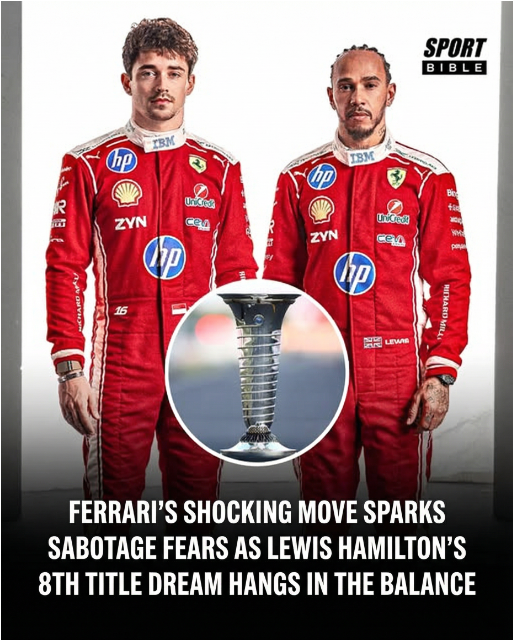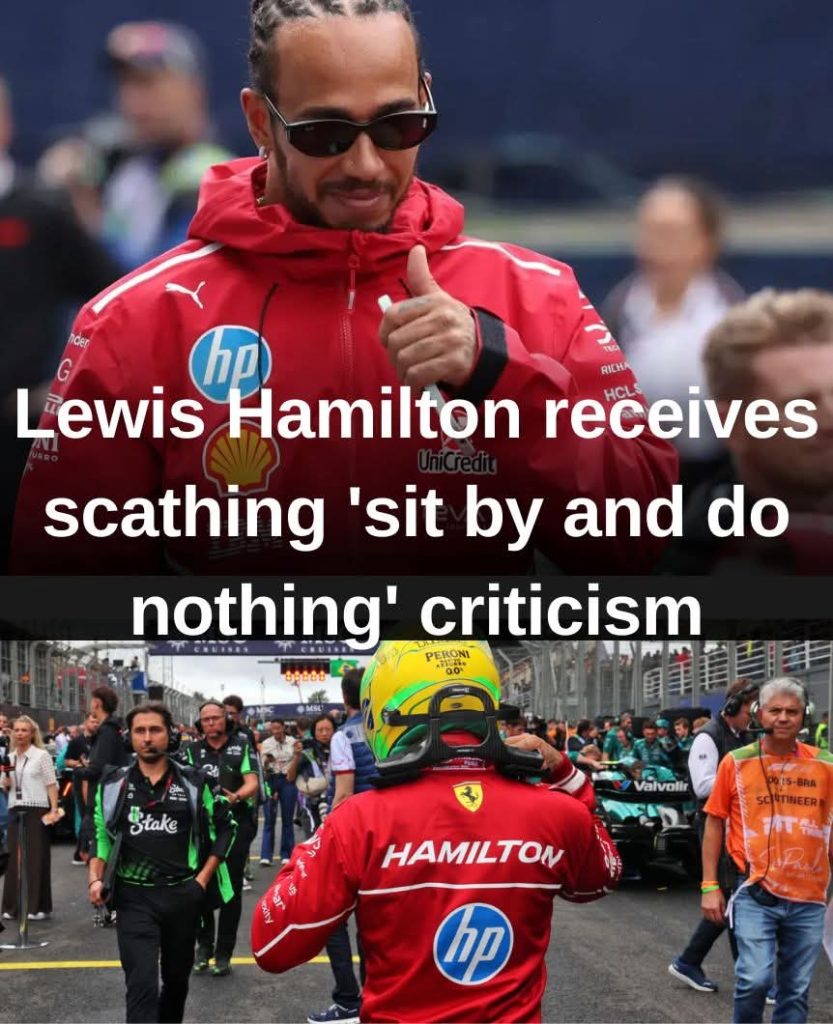
Lewis Hamilton’s turbulent Ferrari debut has drawn blistering commentary, with Ralf Schumacher arguing that the seven-time champion has slipped into a passive rhythm unworthy of his calibre. Schumacher’s critique paints a picture of a driver who, despite arriving in Maranello with sky-high expectations, has not asserted himself strongly enough to influence the direction of a struggling team. For a figure recruited to revive Ferrari’s ambition, the accusation stings: Hamilton, he suggests, has been too willing to watch the chaos rather than confront it head-on.
Ferrari’s troubled SF-25 has only amplified the scrutiny. Plagued by brutal ride-height inconsistencies and chronic lift-and-coast demands, the car has left both drivers wrestling with inefficiency rather than exploiting performance. As the season dwindles to its final rounds, the Scuderia’s slide from second to fourth in the constructors’ standings casts a harsh light on squandered potential. Charles Leclerc’s seven podiums have served as both a saving grace and a silent indictment, widening the gulf between expectation and reality for Hamilton’s maiden campaign.
Inside the paddock, the statistical shadow over Hamilton is growing darker. The 40-year-old now holds the unenviable record for the longest Ferrari opening stint without a single podium, eclipsing a mark that survived untouched since the early 1980s. Rather than being welcomed as the veteran catalyst to Ferrari’s resurgence, he finds himself trapped in a narrative of frustration, near-misses, and mechanical malaise. Every race weekend deepens the tension, with fans and commentators alike asking whether Maranello’s prized signing has been given the tools — or the authority — to impose change.
The pressure reached a boiling point after the catastrophic São Paulo Grand Prix, where Ferrari staggered away with a double DNF and only six sprint points to show for their efforts. Chairman John Elkann’s public call-out of his drivers — a pointed warning to “talk less” and deliver more — suggested a leadership growing impatient with excuses. In this charged atmosphere, Schumacher’s claim that Hamilton represents Ferrari’s “most expensive personnel mistake” cuts sharply, hinting at a team fractured between expectation, reality, and elusive solutions.
Schumacher’s remarks underscore a deeper unease surrounding Ferrari’s internal dynamics. The team’s grand vision of pairing Hamilton’s experience with Leclerc’s speed has devolved into a narrative of mismatch and misfortune. Yet, for all the criticism, the season is not without opportunity: Hamilton’s trademark resolve, if reignited, could still steady the ship. Whether he chooses to reassert himself or continue weathering the storm will determine whether this chapter becomes a revival — or a cautionary tale etched into Ferrari’s history.
About the Author