Mercedes may already be dominating the 2026 Formula 1 season, but championship leader Kimi Antonelli has delivered a warning that could send concern through the rest of the paddock: the team has not yet unlocked the full potential of its latest upgrade package.
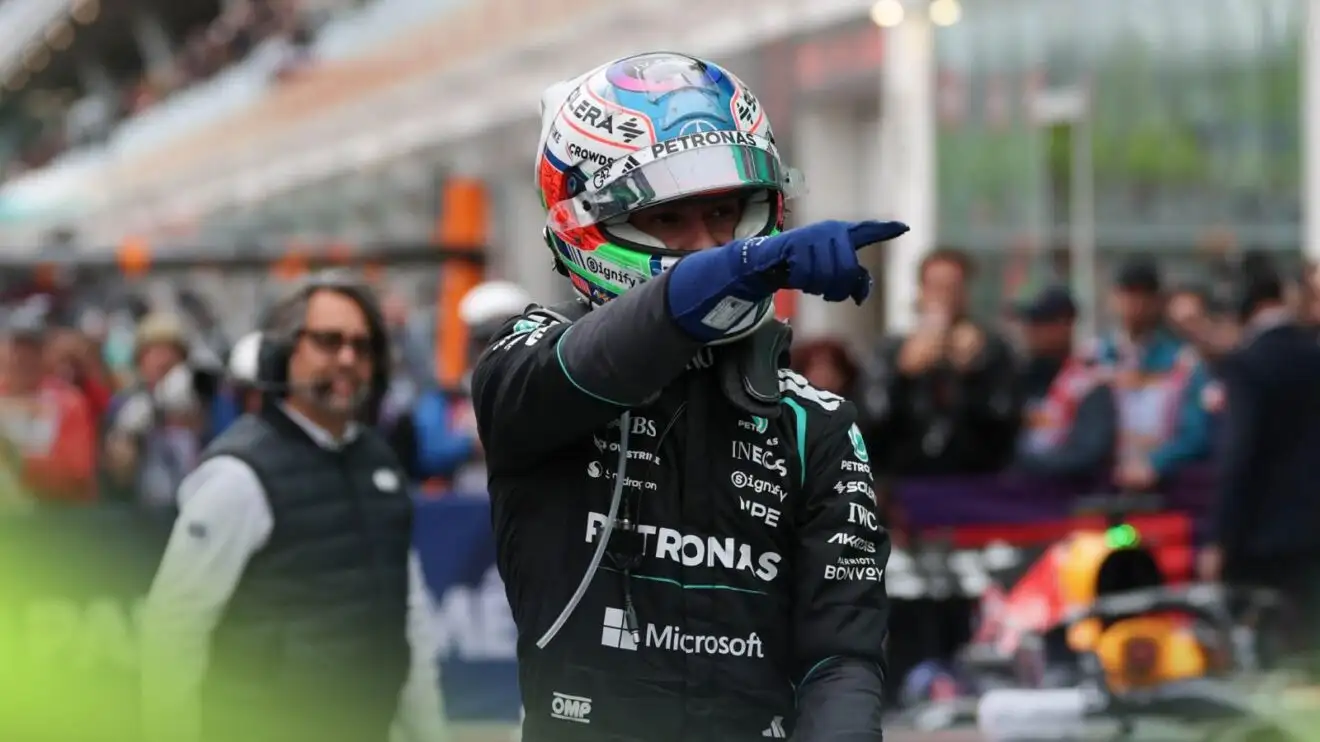
Fresh from securing a fourth consecutive Grand Prix victory in Canada, Antonelli believes the major upgrades introduced by Mercedes have only scratched the surface of their capabilities. While rivals had hoped the Silver Arrows were approaching the limits of their performance, the Italian sensation suggested the true gains from the new package may only become apparent in the coming races. If that proves to be the case, Mercedes could become even harder to beat as the championship progresses.
The timing of those comments is particularly significant. Mercedes have already established themselves as the benchmark team under Formula 1’s new 2026 regulations, winning every Grand Prix of the season so far. Yet despite that dominance, both Antonelli and team principal Toto Wolff believe there is still more performance to be extracted.
MERCEDES LEFT CANADA WITH MIXED EMOTIONS
The Canadian Grand Prix showcased both the strengths and frustrations currently surrounding Mercedes.
For much of the race, the team appeared on course for a comfortable one-two finish. Antonelli and George Russell controlled the event, engaging in an intense battle for the lead before Russell’s race came to a heartbreaking end due to a power unit failure.
Russell’s retirement removed the only genuine challenge Antonelli faced during the second half of the race and allowed the young Italian to secure his fourth victory in a row. While the result strengthened Mercedes’ grip on both championships, the loss of Russell highlighted that reliability remains an area requiring attention.
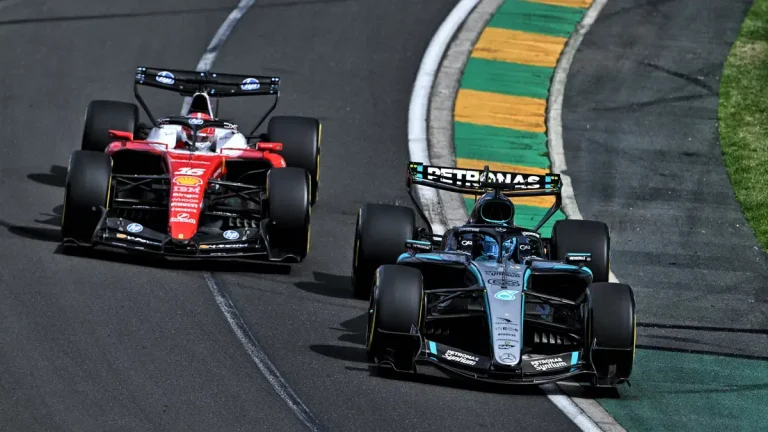
Nevertheless, the overall pace displayed by the W17 suggested that Mercedes remain comfortably ahead of most of their rivals.
ANTONELLI BELIEVES THE BEST IS STILL TO COME
Perhaps the most alarming development for competitors is Antonelli’s belief that the new upgrade package has not yet been fully understood.
The Mercedes driver explained that the updates introduced in Canada altered the balance of the car and arrived during conditions that made proper evaluation difficult. Montreal’s cool temperatures and unique demands placed enormous emphasis on tire management, making it challenging to isolate the exact benefits delivered by the new components.
According to Antonelli, simply getting the tires into the optimal operating window made a larger difference than many of the aerodynamic changes teams introduced over the weekend.
As a result, he believes circuits such as Monaco and Barcelona will provide a much clearer picture of the package’s true effectiveness.
That assessment should concern rival teams. If Mercedes can dominate races before fully understanding their upgrades, the prospect of unlocking additional performance could widen the gap even further.
WHY CANADA MAY HAVE HIDDEN THE REAL PICTURE
Montreal has always been a somewhat unusual circuit within Formula 1.
The combination of heavy braking zones, long straights, variable temperatures, and aggressive curb usage creates conditions that differ significantly from most venues on the calendar. Tire preparation becomes especially important, often influencing results as much as outright car performance.
For engineers attempting to evaluate new upgrades, such conditions can distort the data.
Antonelli’s comments suggest Mercedes believes Canada prevented the team from fully exploiting its latest developments. The cold weather made tire temperatures difficult to manage, while setup compromises limited opportunities to optimize the new package.
If the upgrades perform as expected on more conventional circuits, Mercedes may discover gains that were simply unavailable in Montreal.
TOTO WOLFF REMAINS CAUTIOUS DESPITE THE SUCCESS
While Antonelli sounded optimistic, team principal Toto Wolff offered a more measured assessment.
The Austrian admitted that the upgrades may not have immediately produced the performance gains predicted by simulations. However, he also acknowledged that drawing conclusions from a single race weekend would be premature.
Wolff pointed out that Canada has historically suited Mercedes machinery, making it difficult to separate circuit-specific strengths from genuine upgrade benefits.
His comments reflect the cautious mindset often adopted by successful teams. Rather than celebrating early results, Mercedes want additional evidence from future races before declaring the package a complete success.
That approach could prove wise given the unpredictable nature of Formula 1’s new regulations.
MONACO AND BARCELONA WILL PROVIDE CRUCIAL ANSWERS
The next two races could reveal whether Antonelli’s confidence is justified.
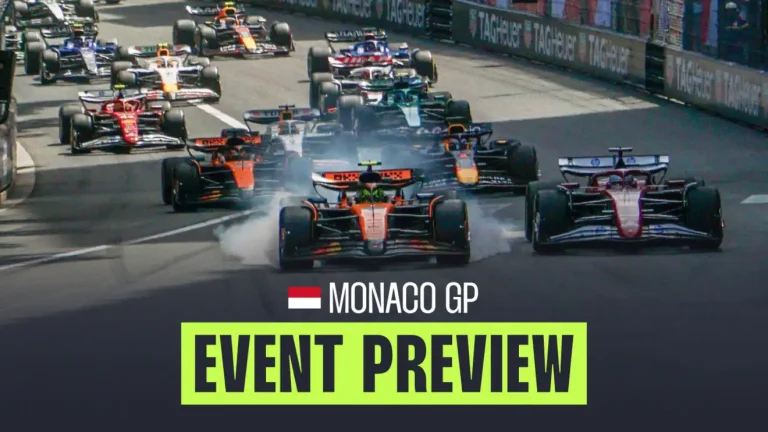
Monaco presents one of the most specialized challenges in Formula 1, requiring exceptional low-speed performance, mechanical grip, and driver confidence. While Mercedes have looked strong everywhere so far, Ferrari are widely expected to pose a greater threat in Monte Carlo due to their superior low-speed characteristics.
Barcelona, meanwhile, offers one of the most complete tests of a Formula 1 car. Its combination of high-speed corners, medium-speed sequences, technical sectors, and tire degradation makes it a favorite circuit for evaluating upgrades.
If Mercedes remain dominant at both venues, it would provide strong evidence that the Canadian package has genuinely improved the W17.
ANTONELLI’S CHAMPIONSHIP LEAD CONTINUES TO GROW
Beyond the technical discussions, Antonelli’s form remains one of the biggest stories of the season.
The 19-year-old has rapidly transformed from highly-rated rookie into Formula 1’s dominant force. Four consecutive victories have given him a 43-point advantage over teammate George Russell, establishing him as the clear favorite for the Drivers’ Championship.
What makes his rise even more impressive is the maturity he continues to display. Despite his winning streak, Antonelli remains focused on development rather than celebration. His analysis of the upgrades reflects a driver fully engaged with the technical side of the sport and determined to maximize every opportunity.
That combination of speed, intelligence, and consistency is precisely why many observers believe he could become Formula 1’s next dominant champion.
WHAT THIS MEANS FOR MERCEDES’ RIVALS
For Ferrari, Red Bull, McLaren, and the rest of the field, Antonelli’s comments are unlikely to provide much comfort.
Most leading teams introduced significant updates in Canada as part of the ongoing development race under the new regulations. The expectation was that rivals might begin closing the gap to Mercedes as the season progressed.
Instead, the championship leaders are suggesting their own upgrades have not yet delivered their maximum impact.
If Mercedes discover additional performance over the coming weeks, competitors could find themselves facing an even steeper challenge than anticipated.
The fear for the rest of the grid is simple: the team currently winning races may not yet be operating at full strength.
PREDICTION: MERCEDES COULD BECOME EVEN MORE DOMINANT
The evidence currently points toward Mercedes maintaining its position at the front of Formula 1.
While Ferrari may pose a significant challenge in Monaco and individual circuits could produce surprises, the overall trajectory remains extremely positive for the Silver Arrows. Antonelli’s confidence, combined with Wolff’s cautious optimism, suggests there is genuine belief within the team that further gains are still available.
If the upcoming races confirm the effectiveness of the latest upgrades, Mercedes could strengthen an already commanding position in both championships.
For the rest of the grid, that possibility represents a worrying prospect. For Antonelli and Mercedes, however, it could be the beginning of a truly dominant era under Formula 1’s new regulations.
About the Author