The 2025 Formula One championship ignited intense debate, with Lando Norris’s triumph stirring accusations of favouritism and commercial bias. Critics argue the sport has increasingly drifted from pure competition toward a spectacle driven by sponsorships, media narratives, and marketable personalities. Many contend this season felt engineered, with Norris’s popularity eclipsing strict sporting integrity.
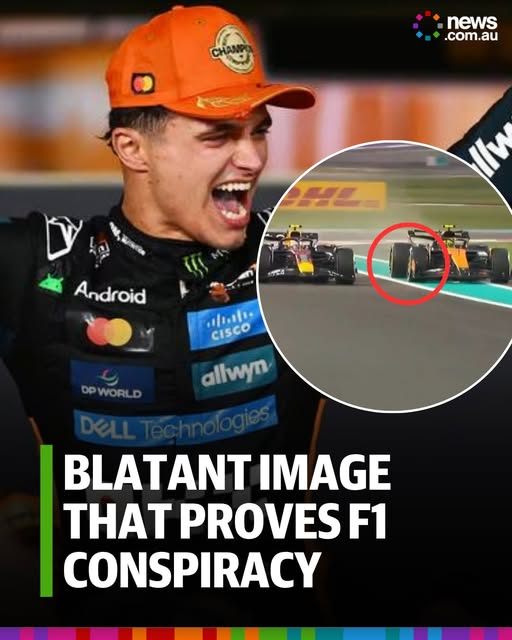
Norris, long criticised for buckling under pressure, benefited enormously from his alignment with modern F1’s entertainment-first culture. His British identity, social-media presence, and resonance with a UK-centric broadcast ecosystem elevated him beyond his on-track merit. Incidents such as his unchecked illegal overtake on Yuki Tsunoda only intensified perceptions that the system leaned heavily in his favour, with leading commentators openly advocating on his behalf.
Meanwhile, Oscar Piastri represented the opposite archetype: calm, disciplined, and uninterested in theatrics. His consistency and mental fortitude positioned him as a genuine title threat, yet his understated persona failed to satisfy the narrative-hungry Netflix generation. Despite elite performance and a championship lead early in the season, Piastri repeatedly encountered team orders that prioritised Norris, highlighting a strategic bias within McLaren’s structure.
McLaren’s internal dynamics became a major storyline, with CEO Zak Brown publicly denying the existence of a preferred driver while repeatedly enforcing decisions that undermined Piastri. Key points sacrificed in earlier races — most notably at Monza — ultimately helped Norris edge past Verstappen and secure the title. Many insist Piastri delivered the stronger overall season, only constrained by institutional loyalty to Norris’s long-term tenure.
In the end, the 2025 season became a case study in the clash between merit and marketability. While Norris capitalised on opportunity, many fans and analysts believe Piastri showcased the superior blend of composure, pace, and racecraft. His experience underscores a harsh reality: in modern F1, popularity can overpower performance. Despite the setback, Piastri leaves with valuable insight into the political contours shaping today’s championship landscape.
About the Author